Top 2 Hour Fire Rated Door Types for Global Buyers

Choosing a 2 hour fire rated door is not simply a matter of selecting a thick steel leaf. Global buyers must compare the complete assembly: door, frame, hinges, latch, closer, seals, glazing, and approved hardware. A small label near the hinge edge may identify the rating, but it does not prove that every component suits the opening. Details matter.

Fire-door consultant Lori Greene’s published guidance focuses on complete, properly maintained openings. Paraphrased rather than presented as a verbatim quotation, her practical message is: “A rated door protects only when its complete assembly is specified, installed, and maintained correctly.” That principle helps frame this guide. It compares common options, including steel doors for demanding commercial settings, timber doors for interior applications, and glazed assemblies where visibility is important. Each type has trade-offs. Weight, appearance, maintenance, and available hardware can change the decision.

Certification is not interchangeable worldwide. Test methods, labels, permitted configurations, and local building requirements vary by market. Buyers should request the tested assembly details and confirm that the proposed size, glazing, frame, and hardware match the evidence. A certificate alone may leave questions unanswered. That is worth checking.

This overview is a starting point, not a substitute for project-specific review. Real openings can differ from catalogue examples, and installation conditions are easy to underestimate. The best choice is the one whose documented performance matches the building, the local approval route, and the people who will use it every day.
Top 2 Hour Fire Rated Door Types for Global Buyers

What a Two-Hour Fire-Rated Door Is and How Its Rating Works

A two-hour fire-rated door is a tested assembly designed to resist fire exposure for a specified period under controlled conditions. The rating does not mean every door will protect every building for exactly two hours. Test results depend on defined temperatures, pressure, and performance criteria. The door leaf is only one part of the assembly.

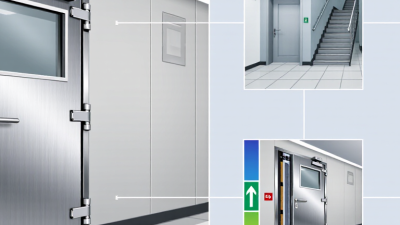
A typical assembly includes the frame, hinges, latch, seals, and any approved glazing. During testing, evaluators assess how well these parts remain in place and limit fire or heat transfer. Exact criteria vary by test standard and product configuration. A small gap beneath the door may look harmless, yet installation details can affect performance. It is easy to focus on the label and overlook the frame or hardware. That distinction matters.

Tips: Check that the rating applies to the complete assembly. Confirm the door, frame, and hardware match the tested configuration. Keep seals intact, and have damage assessed by a qualified professional. A rating is useful evidence, not a substitute for correct installation and ongoing inspection.

Steel Fire Doors: Construction, Strengths, and Typical Uses

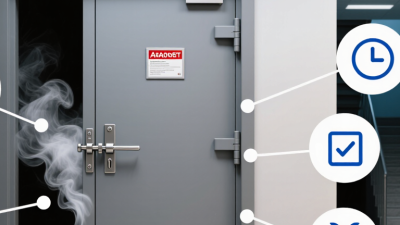
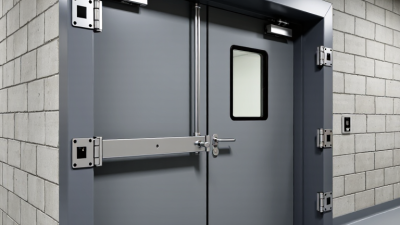
Steel fire doors typically combine formed steel face sheets with a mineral, honeycomb, or other tested core. Reinforced edges, hinges, latches, and a compatible frame help the assembly resist heat and remain closed. For a two-hour rating, the complete door assembly must meet the applicable fire test; a thick steel leaf alone is not proof. NFPA’s Fire Loss in the United States During 2023 estimated 1,389,000 fires nationwide. That figure shows why compartmentation matters, but a rated door cannot prevent every fire or guarantee safety.

Steel is valued for impact resistance and durability in warehouses, utility rooms, corridors, and busy commercial buildings. The surface can take repeated knocks from carts. Still, steel is not magic. A bent frame, missing closer, or poorly adjusted latch can undermine performance. I find installation details easy to overlook when a door feels solid.

Tips: Check the label, frame, hinges, seals, and closing action together. Keep the opening clear, and have qualified personnel inspect damage or changes. A small gap can matter.

Timber Fire Doors: Design, Performance, and Typical Uses

Timber Fire Doors: Design, Performance, and Typical Uses

Timber fire doors bring a familiar, warm finish to corridors, hotel rooms, offices, and apartment entrances. Veneers and paint finishes can suit both modern and traditional interiors. Yet appearance is only one part of the specification. A fire rating applies to a tested door assembly, not simply to a timber leaf. The frame, seals, glazing, hardware, and installation all matter.

For a two-hour application, confirm that the complete configuration has evidence for the required rating and matches the project’s local standards. Solid-looking construction alone proves little. Intumescent seals expand under heat, while suitable closers help the door shut fully. Details matter. Gaps, altered hardware, or poor fitting can undermine performance. Timber can also move with humidity, so stable materials and careful site storage deserve attention. A heavier core may feel less familiar at the handle; that trade-off is worth checking early.

Tips: Ask for test documentation covering the exact door, frame, and hardware combination. Check clearances after installation, and avoid unapproved trimming or drilling. A polished finish looks convincing, but maintenance records and routine inspections tell a more useful story.

Top Timber Fire Door Ratings for Global Buyers

Common fire-resistance rating durations shown for comparison

Timber fire doors are tested as complete assemblies, including the door leaf, frame, seals, glazing (if present), and hardware. Ratings and permitted applications vary by local codes and test standards; confirm that the specified assembly is certified for the project.

Steel vs. Timber: Key Differences for Global Buyers

For global buyers comparing two-hour fire-rated doors, steel and timber solve different problems. The rating belongs to a tested door assembly, not just its leaf. The frame, hinges, latches, seals, glazing, and installation can all affect performance. Small details matter. Steel doors often suit busy corridors, service areas, and locations needing frequent cleaning. Their faces resist knocks, and their construction can handle demanding use. Yet steel leaves are heavy. Check wall capacity, closer sizing, and corrosion protection, especially near coastlines or wash-down zones.

Timber doors can offer a warmer appearance in hotels, offices, and residential interiors. Properly engineered cores and approved edge details may meet specified fire performance, while veneers provide a less industrial finish. But humidity can cause movement, and damaged edges may require careful repair. A beautiful sample tells little about the complete assembly. Request current test or certification documents for the exact size, hardware, frame, and configuration, then confirm local acceptance with the project’s fire consultant or authority. Do not assume a tested vision panel or lock can be swapped freely. That is easy to overlook. Compare lifecycle maintenance, not only purchase price: steel may need finish care, while timber may demand closer moisture control. The right choice still depends on site conditions.

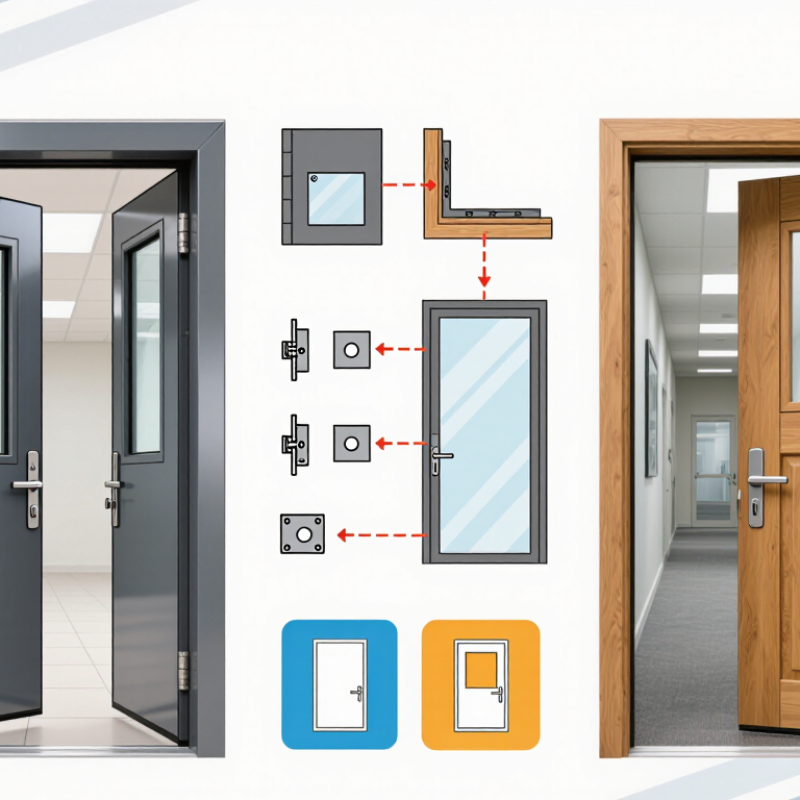
Top 2 Hour Fire Rated Door Types for Global Buyers - Steel vs. Timber: Key Differences for Global Buyers

Comparison Dimension Steel Fire Door Timber Fire Door
How a 120-minute rating is achieved A tested door assembly typically uses steel skins, a fire-resistant core, a frame, seals, glazing (if included), and specified hardware. The rating applies to the tested assembly, not to the steel leaf alone. A tested assembly typically uses a fire-resistant timber or composite core, timber facings, a compatible frame, seals, and specified hardware. A 120-minute rating is product- and assembly-specific.
Typical construction Formed steel faces around a mineral or other tested fire-resistant core, with reinforced areas for locks and hinges where required by the design. Engineered fire-resistant core with timber veneers or other tested facings; construction and core composition vary by certified design.
Appearance and finish Often supplied with a factory-applied coating or prepared for a specified finish. It can suit functional or contemporary interiors. Can provide a natural timber appearance and a wider range of veneer and decorative finish options for interior settings.
Durability considerations Generally resistant to impact and everyday wear, but coatings and exposed edges can be damaged. Corrosion protection should match the installation environment. Can be durable in suitable indoor conditions. Surface damage, moisture, and site alterations may affect performance and appearance.
Weight and installation Weight depends on the leaf size, core, and construction. The frame, hinges, fixings, and supporting structure must be suitable for the tested door set. Weight also varies with size and core construction. Installation must follow the tested configuration, including clearances, frame, seals, and hardware.
Maintenance and repair Inspect the finish, edges, seals, closer, hinges, and latching. Repairs or replacement components should not compromise the approved assembly. Inspect the leaf, finish, edge condition, seals, closer, hinges, and latching. Cutting, trimming, drilling, or other alterations may invalidate the tested configuration.
Common selection considerations Often considered for service areas, plant rooms, corridors, and other locations where a robust, low-maintenance surface is important. Often considered for offices, hotels, residential buildings, and other interior locations where a timber appearance is preferred.
Certification and testing Request evidence for the complete door assembly and confirm that its fire-resistance classification matches local requirements. Test methods and classifications differ by jurisdiction; for example, North American and European standards use different test and classification systems. Verify permitted dimensions, frame, glazing, hardware, seals, and installation details with the applicable approval documentation.
Best suited to buyers prioritizing Robust surfaces, functional appearance, and applications where the specified steel assembly is suitable for the environment. Timber aesthetics, interior design flexibility, and applications where the specified timber assembly meets the required performance.

Important: A “120-minute” rating is not interchangeable across all countries or test standards. Confirm the required local classification and ensure the door, frame, hardware, seals, glazing, and installation are covered by the relevant test evidence or certification.

How to Compare Certifications, Hardware, and Installation Requirements

For global buyers comparing two-hour fire-rated doors, begin with the test evidence, not the label alone. Check which standard was used, whether the certificate covers the complete door assembly, and whether its scope matches the intended project. A certificate for a leaf may not cover the frame, glazing, seals, or hardware. Ask for current test reports and installation instructions, then confirm acceptance with the project’s local building authority. Requirements can differ between markets. Details matter.

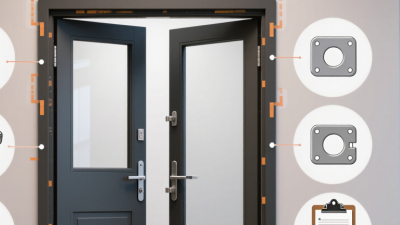
Hardware must suit the tested configuration. Review the specified hinges, latch, closer, and any panic hardware; changing one component may affect the assembly’s rating. Check that the door closes and latches reliably, including after repeated use. A closer that is too strong can make daily access difficult, while a weak one may fail to shut the door. This balance is easy to underestimate.

Installation is equally important. Verify wall construction, frame anchoring, fixing materials, and the permitted gaps around the leaf. A compliant door installed in an unsuitable opening may not perform as expected. Provide installers with the approved drawings and instructions, and record the final inspection. In practice, site conditions are rarely perfect; document deviations and resolve them before handover rather than relying on assumptions.