- Proudly Made in the USA

How to Choose a 2 Hour Fire Rated Door?
Choosing a 2 hour fire rated door involves more than comparing product labels. NFPA’s Fire Loss in the United States During 2023 estimated 1,389,000 fires and 3,670 civilian fire deaths nationwide. These figures describe the wider fire problem; they do not mean a rated door alone can prevent injuries or property loss. Still, a properly specified and installed door assembly can help slow fire and smoke movement between spaces. That matters.
A two-hour rating must be checked against the project’s code requirements, wall construction, and tested assembly—not treated as a standalone promise. Confirm the door, frame, glazing, hinges, closer, latch, and seals match the applicable listing. Even a small mismatch, such as an unapproved viewer or incorrectly fitted frame, can undermine the assembly’s tested performance. NFPA 80 provides guidance on fire-door installation, inspection, testing, and maintenance, while standards such as NFPA 252 and UL 10C address fire-door testing. Requirements vary by location and building use, so verify them with the authority having jurisdiction and qualified professionals. Labels can be confusing. This guide explains how to assess the rating, materials, hardware, certification, and installation details before you buy. It also notes a practical limitation: a strong door is only one part of a complete fire-protection strategy.
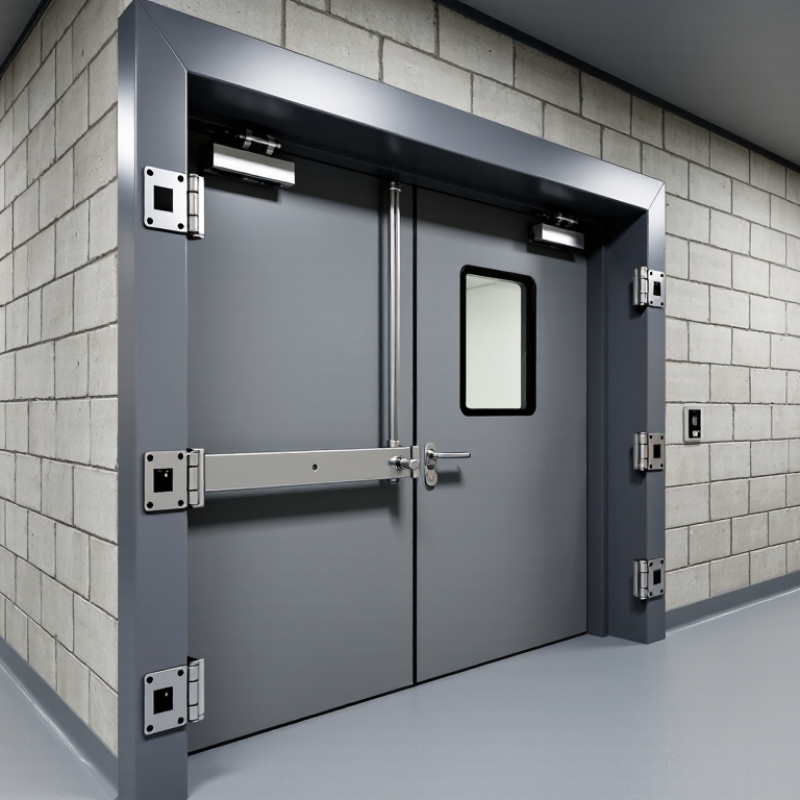
Table of Contents
[Hide]
Understanding What a 2-Hour Fire Rating Means
Understanding What a 2-Hour Fire Rating Means
A 2-hour rating describes how long a door assembly withstands a standardized fire test under specified conditions. It does not promise that every real fire will be contained for exactly two hours. Test methods such as UL 10C and NFPA 252 evaluate fire-door performance, while the label identifies the tested rating. The door, frame, glazing, and hardware must work as a compatible assembly. A strong door with the wrong frame is not equivalent.
The number can be confusing. A two-hour fire barrier does not automatically require a door rated for two hours; applicable building codes may permit a lower opening-protective rating. Verify the requirement for the specific wall and location with the project’s code documents and qualified fire-door professionals. Check the label, clearances, latching, and self-closing operation. Small gaps matter.
The scale of fire risk provides context, not a product guarantee. NFPA’s Fire Loss in the United States During 2023 reported about 1.39 million fires nationwide. That figure does not show how one door performs, but it reinforces why tested assemblies and routine inspections matter. A door that is wedged open defeats its intended function. This is easy to overlook.
How to Choose a 2 Hour Fire Rated Door? - Understanding What a 2-Hour Fire Rating Means
| Decision Dimension | What to Check | Practical Guidance |
|---|---|---|
| Meaning of a 2-hour rating | The door assembly has been tested and listed to meet defined fire-resistance criteria for up to 120 minutes under the applicable test standard. | It is a laboratory rating, not a guarantee that a door will withstand every real fire for exactly two hours. Actual performance depends on the tested assembly, installation, and fire conditions. |
| Required opening rating | The fire-resistance rating required for the wall and opening, as specified by the locally adopted building and fire codes. | Do not assume every 2-hour wall requires a 2-hour door. Code tables commonly require an opening protective rating lower than the wall rating; confirm the exact requirement with the authority having jurisdiction (AHJ). |
| Listing and test standard | A certification label and documentation showing the door’s fire rating and applicable test basis, such as UL 10C or NFPA 252 where accepted by the jurisdiction. | Verify the exact rating, permitted orientation, and any limitations in the listing. The label should remain legible and must not be removed or altered. |
| Complete door assembly | Door leaf, frame, hinges, latch or lock, closer, glazing, seals, and other components covered by the approved listing. | Specify compatible, listed components. Substituting hardware or combining parts outside the listing can invalidate the assembly’s fire-door compliance. |
| Frame and wall compatibility | Frame type, wall construction, anchors, installation method, and permitted frame-to-wall configuration. | Confirm that the listed frame is approved for the actual wall assembly and that clearances and anchorage follow the manufacturer’s installation instructions. |
| Glazing and vision panels | Whether glazing is permitted in the specific door listing, including approved glass, glazing size, kit, and location. | Use only glazing materials and kits allowed by the listing and code. A fire-rated door’s rating does not automatically apply to arbitrary glass or a field-cut opening. |
| Smoke control and seals | Whether the opening also needs to limit smoke or drafts, and whether listed gasketing or other seals are required. | A fire-resistance rating alone does not establish a specific smoke-leakage performance. Check project requirements for smoke-and-draft control and compatible listed components. |
| Self-closing and latching | Required closer, positive-latching hardware, and any permitted hold-open arrangement. | Fire doors generally must close and latch as required by the applicable code and listing. Hold-open devices, where allowed, must release as designed when activated. |
| Size and configuration | Leaf width and height, single or paired doors, handing, and any special design features within the approved listing. | Check the listed size limits and pair requirements before ordering. Oversizing, field modification, or unapproved cutouts can affect compliance. |
| Installation and inspection | Installation according to the listing and NFPA 80 where adopted, followed by required inspection and maintenance. | Keep the opening unobstructed, maintain the closing and latching operation, and repair damage with approved materials and methods. Follow local inspection requirements. |
| Final selection | The code-required opening rating, an approved complete assembly, compatible site conditions, and documented installation requirements. | Before purchase, confirm the required rating with the project design professional or AHJ and obtain the door, frame, hardware, glazing, and installation documentation as one coordinated package. |
Note: Fire-door requirements vary by jurisdiction, building use, and opening location. Always verify the applicable code and approved listing for the specific project.
Related Posts
-
China Best Fire Rated Interior Door Manufacturers
-
China Top 10 Residential Fire Rated Doors Manufacturers
-
How to Choose the Right 60 Minute Fire Rated Door for Your Building Needs
-
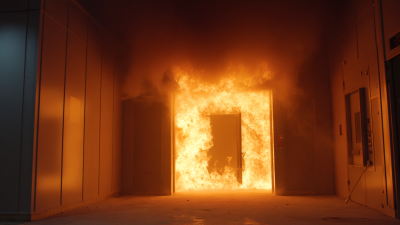
What is the Importance of a 60 Minute Fire Rated Door in Building Safety
-
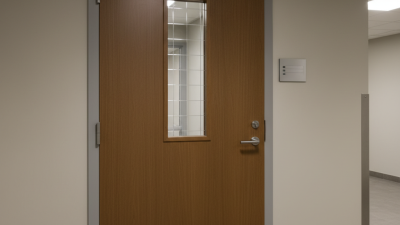
What is a Fire Rated Interior Door and Why is it Important?
-
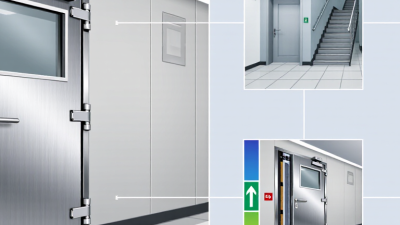
Why Choose a 2 Hour Fire Rated Door for Global Projects?