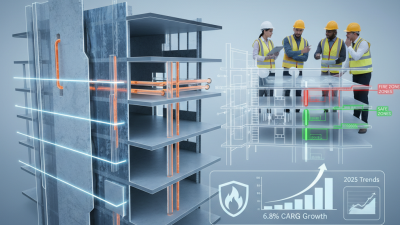
Why Is Passive Fire Protection Essential for Global Buyers?

Why Is Passive Fire Protection Essential for Global Buyers?

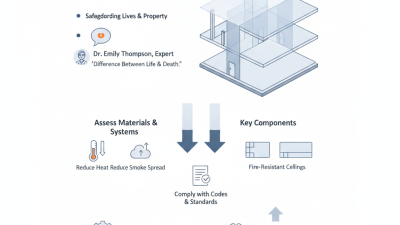
For global buyers, fire safety is not merely a specification on a tender document. It is a measurable business risk. NFPA reported 1,388,500 fires in the United States during 2023, causing 3,670 civilian deaths and approximately $22.3 billion in direct property damage. These figures reflect one market, yet they expose a wider concern. Fire can cross borders faster than procurement teams can correct a poor decision. Passive fire systems, including firestopping, compartmentation, and fire-resistant coatings, help contain flames, smoke, and heat when active systems fail or evacuation takes longer.

Professor Guillermo Rein, a leading fire science expert at Imperial College London, has expressed the principle clearly: “Fire safety is a system, not a product.” That statement matters to international purchasers. A tested sealant alone cannot protect an uninspected wall penetration. A certified door cannot perform properly when installed with the wrong frame or hardware. Small gaps can become dangerous paths.

Industry guidance supports this systems-based view. The International Building Code and third-party certification schemes, such as UL and FM Approvals, emphasize tested assemblies, installation control, and documented maintenance. FM Global research also links stronger property protection with improved business resilience after major losses.

Still, compliance does not guarantee perfect protection. Supply chains change. Installers vary. Records disappear. Buyers must question assumptions, verify evidence, and inspect critical details. Passive fire is quiet, hidden, and often undervalued. That is exactly why it deserves serious attention before purchase, not after a fire.
Why Is Passive Fire Protection Essential for Global Buyers?

What Is Passive Fire Protection?

Passive fire protection is the built-in resistance that slows fire, heat, and smoke without manual action. It is not a sprinkler or alarm. It includes fire-rated walls, floors, doors, glazing, penetration seals, joint systems, and structural protection. These elements divide a building into compartments. A sealed cable opening can matter as much as a thick wall.

For global buyers, the key question is not simply, “Is this product fire rated?” Performance belongs to a tested assembly, installation method, and project condition. A sealant, door, or board may perform differently when dimensions, substrates, or service types change. Buyers should request current test reports, classification documents, installation instructions, and traceable quality records. Local codes and accepted assessment routes still apply. An experienced fire engineer can check whether the evidence fits the intended wall, floor, temperature exposure, and penetration detail. Small gaps are not small risks.

On site, installers must inspect joints, fixings, backing materials, and labels before concealment. Photographs and inspection records support later verification. A specification can look precise while omitting movement, moisture, or maintenance access. That omission may weaken an otherwise credible design. Fire protection also ages; damaged seals, altered services, and unapproved repairs require prompt review. No certificate replaces competent installation. Procurement decisions should consider laboratory evidence, site experience, and openly stated uncertainties.

How Does Passive Fire Protection Work?

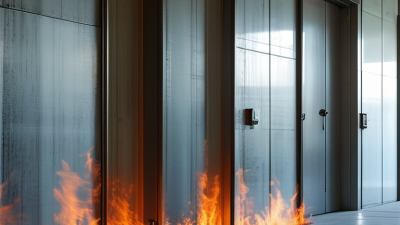
Passive fire protection works by slowing fire, heat, and smoke without manual activation. It remains built into walls, floors, doors, steelwork, and service openings. During a fire, fire-rated barriers contain flames within a defined compartment. Intumescent coatings expand when heated, forming an insulating layer around structural steel. Firestopping materials close gaps around cables, pipes, and ducts. These measures protect escape routes and delay structural failure. They also give occupants and firefighters more time. No system is flawless. Poor installation can leave hidden weaknesses.

For global buyers, performance depends on the complete tested assembly, not one product alone. Request independent fire-test reports and verified classification documents. Check the tested wall, floor, seal, and substrate details. Confirm compatibility with local building regulations and project conditions. A seal tested in concrete may not perform identically in lightweight construction. Field inspections often reveal small gaps around crowded cable trays. Those gaps can seriously reduce protection. Qualified fire engineers should review designs, installation records, and site photographs. Regular inspection matters because later construction work may damage protected areas.

Tips: Ask suppliers for installation guidance, maintenance requirements, and evidence from recognized testing bodies. Keep photographic records before walls and ceilings are closed. Train installers to follow approved details, not improvised solutions. Allow time for independent inspection. That step is easy to overlook.

Which Building Elements Require Passive Fire Protection?

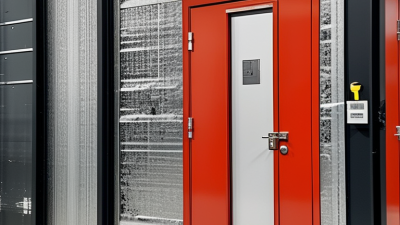
Passive fire protection is built into the structure, so it works without alarms, switches, or human response. The key elements include fire-rated walls, floors, ceilings, doors, structural steel, service shafts, and façade cavities. Compartmentation limits fire and smoke movement, giving occupants more time to escape and firefighters more time to act.

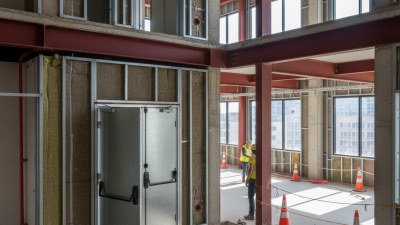
Penetrations deserve close attention. Pipes, cables, ducts, and ventilation routes can weaken a rated wall when installers leave gaps around them. Firestop systems must match the tested wall or floor assembly, not merely fill the opening. Fire dampers also protect ductwork, while protected steel maintains load-bearing capacity during heating. NFPA’s Fire Loss in the United States During 2023 reported more than 1.5 million fires and billions of dollars in property damage. These figures show why passive protection cannot be treated as a decorative specification.

For global buyers, product documents should include tested fire-resistance ratings, installation limits, inspection records, and compatibility details. EN, ASTM, and local building-code requirements may differ, so one certificate may not satisfy every market. On real construction sites, small defects often matter most: an unsealed cable tray, a damaged door seal, or a missing damper label. The International Code Council’s building safety guidance repeatedly emphasizes continuity across rated assemblies. Yet paperwork alone is not enough. A carefully designed system can still fail through poor installation, rushed alterations, or unclear responsibility. Audits should examine the finished building, not only the delivery documents.

Why Is Passive Fire Protection Essential for Global Buyers? - Which Building Elements Require Passive Fire Protection?

Building Element Fire Risk Controlled Typical Passive Fire Protection Main Safety Function Key Buyer Verification Points Common Rating Basis
Load-Bearing Steel Columns and Beams Loss of structural strength caused by rapid heating during a fire. Cementitious spray, intumescent coating, board encasement, or concrete encasement. Maintains the required load-bearing capacity for a defined period. Tested system thickness, steel section factor, primer compatibility, installation quality, and inspection records. R 30–R 180
Concrete Columns, Beams, and Slabs Spalling, reinforcement heating, and reduced structural capacity. Fire-resistant render, protective boards, sacrificial layers, or increased concrete cover. Protects structural integrity and reinforcement from fire exposure. Concrete cover, aggregate type, spalling protection, substrate condition, and evidence from approved fire tests. R 60–R 240
Fire Walls and Compartment Walls Fire and smoke spreading from one compartment to another. Fire-rated masonry, concrete, gypsum assemblies, and sealed service penetrations. Creates fire compartments and limits heat, flames, and smoke migration. Wall construction, joint details, deflection head, penetration seals, and continuity at floor and roof intersections. EI 60–EI 240
Floors and Floor-to-Wall Junctions Vertical fire spread and premature failure between storeys. Fire-resistant concrete or composite floor systems, edge protection, and perimeter firestopping. Maintains compartmentation and protects occupants on adjacent floors. Load-bearing performance, deflection allowance, edge-of-slab details, and tested perimeter seals. REI 60–REI 180
Fire Doors, Shutters, and Dampers Fire and smoke passing through openings in compartment walls and floors. Self-closing fire doors, fire shutters, smoke-control doors, and fire dampers in ducts. Protects openings while allowing controlled access, ventilation, or service routing. Door leaf and frame rating, self-closing device, hardware, installation gap, damper access, and maintenance schedule. EI 30–EI 240
Cable, Pipe, and Duct Penetrations Flame, smoke, and hot gases bypassing fire-rated barriers through service openings. Firestop sealants, collars, wraps, mortar, pillows, sleeves, and fire-rated duct systems. Restores the fire resistance of walls and floors after services are installed. Approved penetration configuration, service type and size, annular gap, backing material, and installer competence. EI 60–EI 240
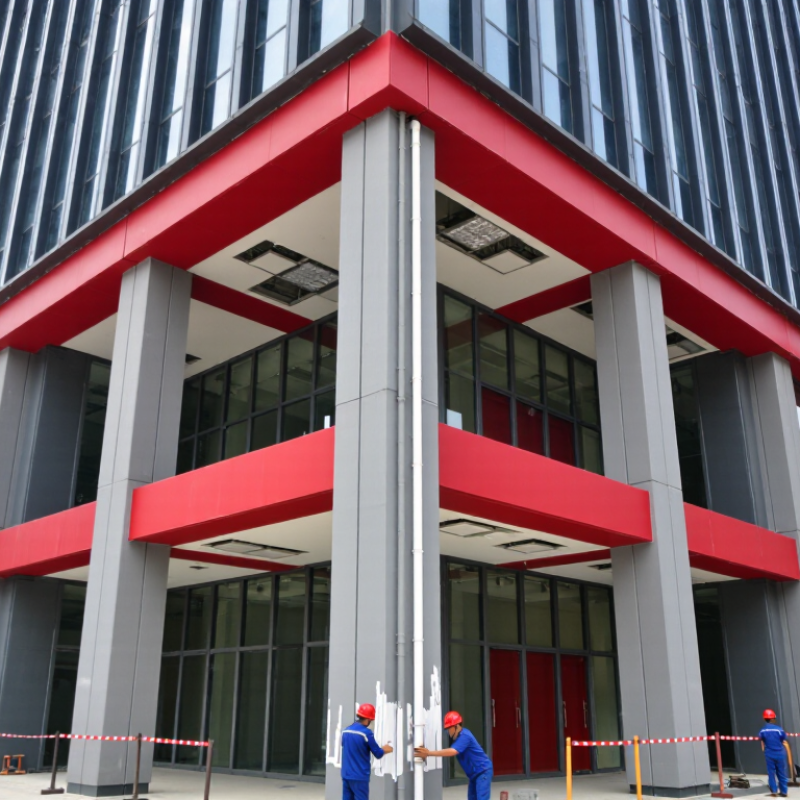
Curtain Walls and Façade Interfaces External fire spread through façade cavities and slab-edge gaps. Perimeter fire barriers, cavity barriers, fire-resistant spandrel zones, and protected joints. Limits fire spread between floors and prevents concealed cavity flame travel. Façade build-up, cavity dimensions, slab-edge movement, barrier continuity, and system-specific test evidence. Integrity and insulation rating
Stairs, Corridors, and Protected Escape Routes Smoke contamination and loss of safe evacuation routes. Fire-rated enclosures, protected doors, firestopped penetrations, and smoke-sealed joints. Provides a protected route for occupant evacuation and firefighter access. Enclosure rating, door swing and self-closing action, smoke control strategy, signage, and unobstructed access. EI 30–EI 120
Expansion and Construction Joints Fire and smoke movement through gaps that accommodate building movement. Fire-rated joint sealants, mineral-fibre systems, compression seals, and movement-rated barriers. Maintains compartmentation while allowing thermal and structural movement. Joint width, movement capability, installation depth, substrate compatibility, and tested orientation. EI 60–EI 240
Roofs, Plant Rooms, and Service Shafts Fire spread through rooftop equipment areas, shafts, and concealed service zones. Fire-rated shaft walls, protected roof penetrations, fire-resistant boards, and compartment enclosures. Prevents vertical and horizontal fire transmission through concealed or high-risk areas. Roof build-up, shaft continuity, access-panel rating, equipment clearances, penetrations, and inspection access. EI 60–EI 120

Note: Fire-resistance classifications vary by jurisdiction and test standard. Buyers should confirm the required rating, tested assembly, installation method, and local code approval for the specific project.

What Standards Govern Passive Fire Protection Globally?

Why Is Passive Fire Protection Essential for Global Buyers?

Passive fire protection is governed by different standards across regions, so global buyers must examine more than a product datasheet. ISO 834 provides fire-resistance test methods for building elements. In Europe, EN 1363, EN 1364, EN 1365, and EN 1366 address general construction, walls, floors, and service installations. EN 13501-2 classifies fire-resistance performance. These standards evaluate integrity, insulation, and sometimes load-bearing capacity under controlled fire exposure.

Other markets use different routes. ASTM E119 measures the fire performance of building assemblies in North America. Australia commonly references AS 1530.4 for fire-resistance testing. China applies national standards for fire-resistant construction products and building components. Local building codes may also require penetration seals, fire doors, cavity barriers, and protected structural members to meet specific ratings. A two-hour rating is not automatically identical everywhere.

In project reviews, the weakest detail is often a pipe or cable opening. Small gaps can undermine a tested wall system. Buyers should request complete test reports, field-of-application limits, installation instructions, and independent certification. Check whether the evidence covers the actual substrate, thickness, joint width, and service type. Laboratory results are useful, but they do not replace competent installation. This part is sometimes overlooked. Standards also change, and translated documents may hide important conditions. A careful buyer should confirm the current edition with the local authority or qualified fire engineer before approval.

Why Is Passive Fire Protection Essential for Global Buyers?

Passive fire protection helps contain fire, smoke, and heat without relying on active intervention. Global buyers should verify that products are tested and classified under the standards required in the target market.

Chart: Common fire-resistance rating levels used in building regulations and product specifications.

International projects commonly refer to frameworks such as ISO 834-1, EN 1363-1, EN 13501-2, ASTM E119, UL 263, AS 1530.4, and CAN/ULC-S101. The required rating depends on the building type, occupancy, structural element, local code, and test classification. These values are representative rating bands, not a universal requirement or product performance guarantee.

How Should Global Buyers Evaluate Passive Fire Protection Products?

When global buyers evaluate passive fire protection products, they should examine performance, evidence, and practical use. A product may look strong on paper but fail when installed incorrectly. Start with the fire-resistance rating, tested assembly, temperature range, and intended substrate. Confirm that the test applies to the complete system, not only one component.

Ask for current test reports, technical datasheets, installation instructions, and independent certification. Check the testing laboratory, standard used, sample configuration, and report date. Documents should clearly state thickness, fixing method, joint design, and service conditions. Vague claims deserve caution. So does missing evidence.

Experienced buyers also review installation risks. Request samples, mock-up results, and training records from the supplier. Watch how the material handles uneven surfaces, dust, moisture, and site damage. These details matter during real construction. Check compatibility with cables, pipes, steel, concrete, and movement joints. Confirm storage limits and repair procedures before placing a large order.

Cost comparisons should include labor, inspection, replacement, and transport. A cheaper coating may require more preparation. That difference can become expensive across several countries. Local code acceptance and language support also affect reliability. No evaluation is perfect. I would still record every assumption and ask an independent fire engineer to challenge the decision. That extra review may reveal a gap before smoke does.