What is Passive Fire Protection and Why is it Important?
Passive fire protection is a crucial aspect of building safety. It involves using specific materials and designs to prevent the spread of fire. According to Dr. Emily Carter, a leading expert in fire safety engineering, “Passive fire protection is like a shield that can save lives.” This highlights its importance in safeguarding both people and property.
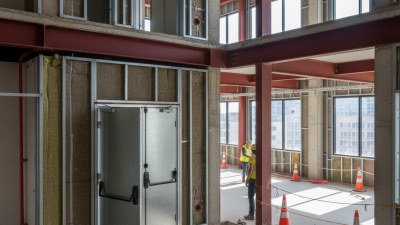
Effective passive fire protection requires careful planning and execution. Fire-resistant walls, floors, and doors are essential components. These features work together to contain fire and give occupants time to escape. In many buildings, however, these systems are inadequate or poorly maintained. This oversight can have dire consequences.
Understanding the importance of passive fire protection can lead to better safety practices. Building owners need to prioritize these measures during design and renovation. Fire safety is not just a regulatory requirement; it is a moral obligation. Investing in passive fire protection can truly make a difference.
What is Passive Fire Protection?
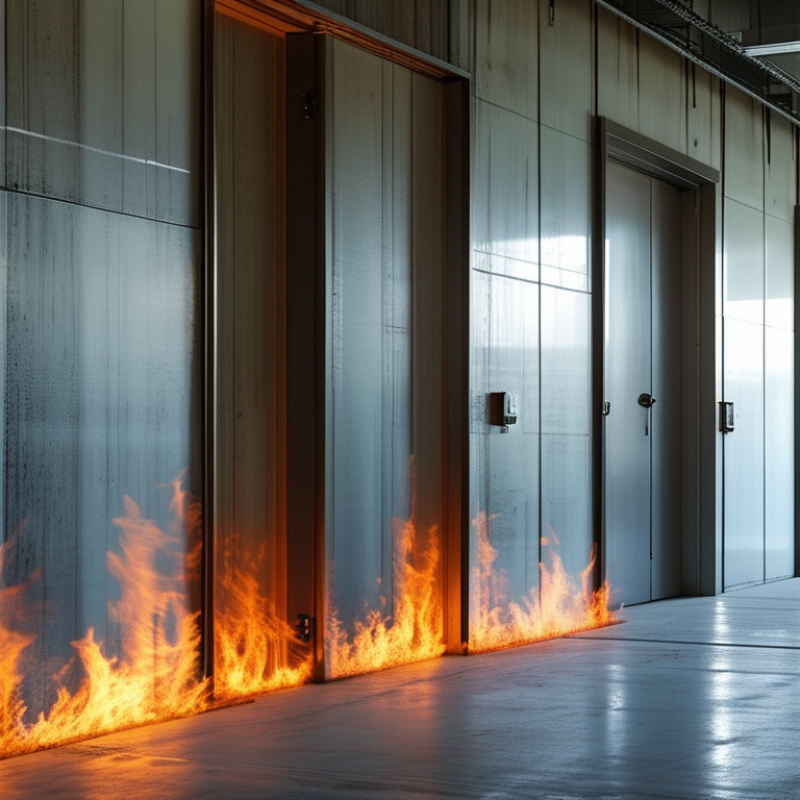
Passive fire protection (PFP) is crucial in safeguarding lives and property from the devastating effects of fire. It involves using materials, systems, and design strategies to contain fires and prevent their spread. According to the National Fire Protection Association (NFPA), effective implementation of PFP can reduce the risk of fire-related injuries by 50%. This statistic underscores the importance of designing buildings with fire containment in mind.
PFP systems encompass fire-rated walls, floors, and doors that limit the movement of smoke and flames. For example, a fire-rated wall can prevent the spread of fire for up to three hours, providing crucial time for evacuation and firefighting efforts. In a recent study, it was found that buildings with optimized PFP systems face significantly lower insurance premiums due to their reduced risk profile. However, many structures still lack adequate PFP measures, which poses a serious risk.
Despite advancements, there are gaps in awareness and compliance within construction practices. A survey noted that over 30% of construction projects did not meet PFP standards, leading to vulnerabilities. These oversights highlight the ongoing need for education and stricter adherence to fire safety regulations. Understanding PFP and its role in fire safety is essential for architects, builders, and property owners alike.
Key Components of Passive Fire Protection Systems
Passive fire protection (PFP) is crucial in maintaining building safety. It involves the use of fire-resistant materials and strategies to contain fire and smoke. This limits damage and enhances occupant safety. Key components play a significant role in an effective PFP system.
Fire-resistant walls, floors, and doors are foundational elements. These barriers stop the fire's spread, protecting adjacent areas. According to a report by the National Fire Protection Association, buildings with proper fire barriers can reduce casualties by up to 80%.
Intumescent coatings are another important element. They expand when exposed to heat, helping to insulate structural elements. This adds a layer of security crucial during a fire emergency.
Fire stopping measures are equally essential. They seal penetrations in fire-rated walls or floors. These seals prevent smoke and fire from traveling between compartments. A study from the Fire Protection Research Foundation reported that 65% of fires spread through unsealed openings. Regular inspections and maintenance are recommended to ensure these systems work effectively. Without them, even the best-designed systems might fail.
How Passive Fire Protection Works in Buildings
Passive fire protection (PFP) is essential for enhancing building safety. It works by containing fire, smoke, and heat within designated areas. This is crucial during emergencies, allowing occupants more time to evacuate safely. According to the National Fire Protection Association (NFPA), PFP systems can reduce fire-related injuries and fatalities significantly.
In buildings, PFP primarily involves the use of fire-resistant materials, such as walls, floors, and doors. These barriers slow down the spread of fire. Additionally, PFP includes fire compartments and smoke control systems. Proper installation of these elements can keep a fire contained for longer periods. Reports indicate that effective PFP can increase a building's survivability rate by up to 80%.
Tips: Ensure regular inspections of fire barriers. Look for cracks or damage that might compromise their integrity. Also, never underestimate the role of fire doors—they should close fully and function without obstruction.
Another common oversight is neglecting the maintenance of firestopping materials. These seal any gaps around cables and pipes that penetrate fire-rated walls. Industry guidelines suggest using only tested and rated materials. They significantly contribute to overall fire safety by maintaining the fire resistance of barriers.
The Importance of Passive Fire Protection for Safety
Passive fire protection (PFP) is essential for safety in buildings. It acts as a barrier to slow or halt the spread of fire and smoke. This protection often includes fire-resistant walls, floors, and doors. According to the National Fire Protection Association (NFPA), PFP can reduce fire-related injuries by 60% when properly installed and maintained.
The importance of PFP is highlighted in safety regulations. The International Code Council (ICC) states that proper PFP systems can save lives and reduce property damage. In fact, buildings with advanced PFP systems often experience fewer casualties during fires. With 1,300 civilian deaths from fire-related incidents reported in 2021 by the NFPA, this data underscores the need for effective fire safety measures.
Despite advancements, many buildings lack adequate PFP. Reports suggest that only 30% of existing structures meet recommended standards. This creates a significant gap in safety. Awareness and active upgrades in PFP systems should become priorities for property owners and managers. Ultimately, investing in PFP may lead to safer environments and lower insurance premiums in the long run.
What is Passive Fire Protection and Why is it Important? - The Importance of Passive Fire Protection for Safety
| Dimension |
Description |
Importance |
| Fire Resistance |
Materials and systems that provide resistance to fire spread. |
Critical for maintaining structural integrity during a fire. |
| Compartmentation |
Division of building spaces into compartments to contain fire. |
Limits the spread of fire and smoke, enhancing safety. |
| Fire Doors |
Specialized doors designed to withstand fire exposure. |
Helps to prevent fire from spreading to other areas. |
| Fire Stopping |
Materials and methods used to seal openings and joints. |
Prevents the passage of fire through walls and floors. |
| Smoke Control |
Systems designed to manage smoke during a fire. |
Improves visibility and air quality for evacuation. |
Regulatory Standards and Codes for Passive Fire Protection
Passive fire protection (PFP) systems play a crucial role in ensuring the safety of buildings. They limit fire spread, protect escape routes, and shield critical infrastructure like mechanical rooms. Regulatory standards are essential for guiding the implementation of PFP. For example, the National Fire Protection Association (NFPA) establishes codes such as NFPA 101, which focuses on life safety, and NFPA 5000, which addresses building construction and safety.
Compliance with standards ensures that fire protection measures are effective. According to a study from the International Code Council, structures adhering to these codes show a 30% reduction in fire damage. Local building codes often incorporate these national standards. Ignoring these regulations can lead to increased liability and reconstruction costs.
Tips: Ensure regular training on the latest codes for construction teams. This helps avoid common oversights that can compromise safety. Conduct periodic audits of PFP systems to verify compliance and effectiveness. Proper documentation of fire safety measures can provide proof in case of emergencies.