2026 How to Choose the Best Passive Fire Protection Solutions?
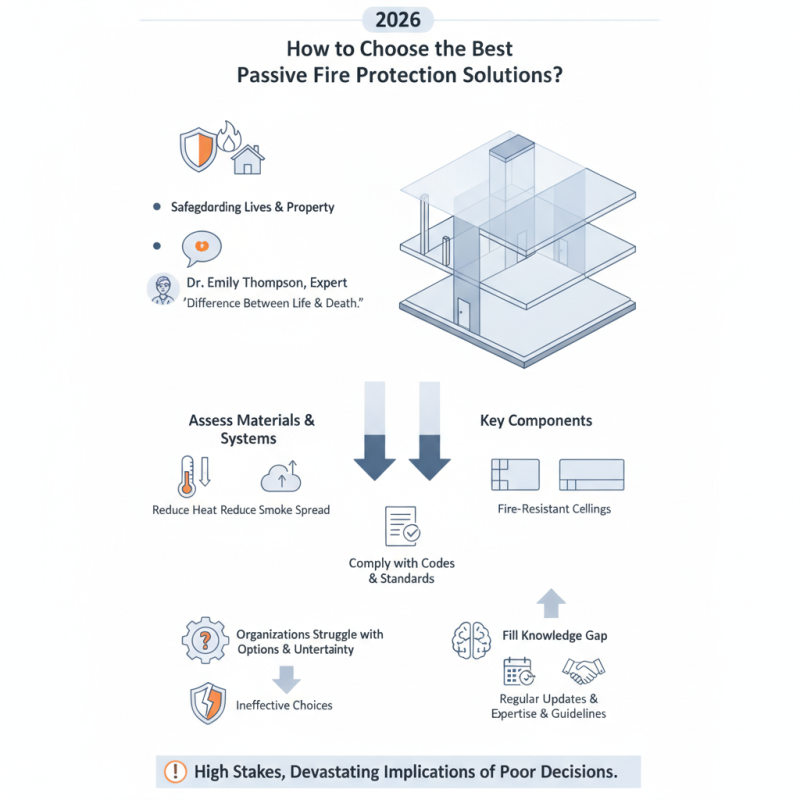
Passive fire protection is essential for safeguarding lives and property in various structures. According to Dr. Emily Thompson, a leading expert in the field, “Effective passive fire protection can be the difference between life and death.” This statement underscores the critical importance of selecting the right solutions for fire safety.
When considering passive fire protection, it is crucial to assess materials and systems that reduce heat and smoke spread. Fire-resistant walls and ceilings play a key role in containing fires. These structures must comply with specific codes and standards, ensuring reliability during emergencies.
Many organizations struggle with understanding the various passive fire protection options available. This uncertainty can lead to ineffective choices. Regular updates and training in fire protection strategies could fill this knowledge gap. The stakes are high, and the implications of poor decisions can be devastating. To navigate these challenges, it is vital to rely on proven expertise and well-established guidelines in the passive fire protection industry.
Understanding Passive Fire Protection: Key Concepts and Importance
Passive fire protection (PFP) is essential for building safety. It aims to contain fires, preventing spread and minimizing damage. Effective PFP solutions can save lives and protect property. According to industry reports, structures equipped with robust passive fire protection measures can reduce the risk of fire-related fatalities by over 80%.
Key concepts in PFP include fire-resistant barriers, compartmentation, and fire doors. These elements work together to slow down fire progression. Research indicates that buildings with well-designed passive systems experience significantly lower repair costs after a fire event. This underscores the importance of investing in quality PFP solutions.
**Tips:** Evaluate your building's layout. Identify potential fire zones. Focus on areas that require compartmentation. Regularly inspect installation quality. Ensure all barriers comply with local codes and standards. Each of these steps can significantly enhance fire safety. Always remember, insufficient passive measures can lead to devastating consequences. Regular assessments are crucial. Revisit your strategies periodically to ensure they remain effective and compliant.
Understanding Passive Fire Protection Solutions: Key Concepts and Importance
This chart illustrates the effectiveness of various passive fire protection solutions based on their performance ratings. The data compares common solutions such as Fire-Resistant Walls, Fire Doors, and Fire Stopping Materials.
Types of Passive Fire Protection Solutions: Overview and Comparison
When selecting passive fire protection solutions, it’s crucial to understand the various types available. Common options include fire-resistant walls, floors, and ceilings, which compartmentalize fire spread. These structures contain flames, allowing for safe evacuation of occupants. Fire doors are another critical aspect. They help prevent smoke and heat movement. Proper installation of these solutions is key for maximum effectiveness.
Another type to consider is intumescent coatings. These coatings expand when exposed to heat, providing an insulating layer to protect structural elements. Firestop systems are equally important. They seal penetrations in fire-rated walls and floors. This prevents the passage of flames and smoke. Selection often depends on building design and specific fire risks.
Comparing these solutions necessitates understanding their strengths and limitations. Some methods may be cost-effective but lack performance under intense conditions. Others might be durable but require extensive maintenance. Each choice should reflect a balance between safety and practicality in real-world applications. Engaging with professionals on these matters ensures informed decisions that enhance safety against fire hazards.
2026 How to Choose the Best Passive Fire Protection Solutions? - Types of Passive Fire Protection Solutions: Overview and Comparison
| Type of Solution |
Description |
Applications |
Fire Rating |
Cost Estimate ($/sq ft) |
| Fire-Resistant Walls |
Constructed to withstand fire and prevent its spread. |
Commercial buildings, warehouses |
2 hours |
$15-$25 |
| Fire Doors |
Specially designed doors that resist fire and smoke. |
Exits, stairwells |
1.5 hours |
$200-$500 |
| Fire-Stop Systems |
Materials used to seal openings and joints. |
Walls, ceilings |
1 hour |
$5-$10 |
| Intumescent Coatings |
Paint that expands when exposed to heat. |
Steel structures |
Up to 2 hours |
$2-$4 |
| Fire-Resistant Glazing |
Glass that can withstand high temperatures. |
Windows in fire-rated walls |
1-2 hours |
$50-$100 |
Factors to Consider When Choosing Passive Fire Protection Systems
When choosing passive fire protection systems, several key factors deserve attention. The materials used play a vital role in effectiveness. Fire-resistant materials, such as mineral wool and intumescent coatings, provide improved safety. These materials are designed to withstand high temperatures without losing their integrity.
Building regulations and codes must always be considered. Compliance ensures that the chosen systems meet safety standards. However, local regulations can vary significantly. This can create confusion and lead to mistakes in selections. Consulting with fire safety professionals can help navigate complex requirements.
Additionally, the design and layout of the building are crucial. Consider how the systems will integrate with existing structures. A well-planned installation maximizes effectiveness. However, not all systems are suitable for every situation. Reflecting on past installations can unveil lessons learned. Choices made should prioritize safety while balancing aesthetic and functional needs. Remember, the goal is to enhance safety and protect lives.
Assessing Compliance with Fire Safety Regulations and Standards
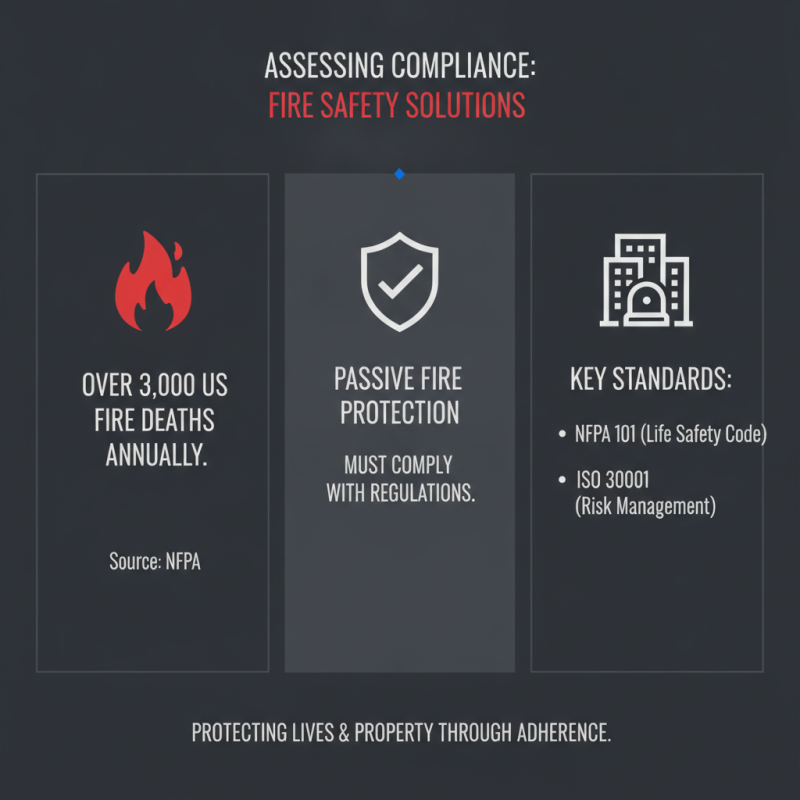
When selecting passive fire protection solutions, compliance with fire safety regulations is paramount. According to the National Fire Protection Association (NFPA), fire deaths in the U.S. exceed 3,000 annually. This stark statistic highlights the need for effective fire safety measures. Professionals in the industry must assess how well their chosen solutions align with local and national standards, such as NFPA 101 and ISO 30001.
Fire-rated doors, walls, and ceilings are critical components in fire protection. They serve to compartmentalize fire, slowing its spread. The standards dictate specific ratings—typically from 30 minutes to 3 hours. However, many buildings still use outdated materials that do not meet current regulations. This raises concerns about potential liability and safety consequences. Relying solely on compliance may lead to complacency. Regular audits and updates are essential.
Another point of reflection is the need for suitable training and expertise. Many professionals possess limited knowledge of evolving standards. The lack of understanding can lead to improper installations and significant risks. It's crucial to prioritize ongoing training and seek expert consultations. Staying informed is a vital part of maintaining compliance and ensuring safety.
Evaluating Cost-Effectiveness and Long-Term Benefits of Fire Protection
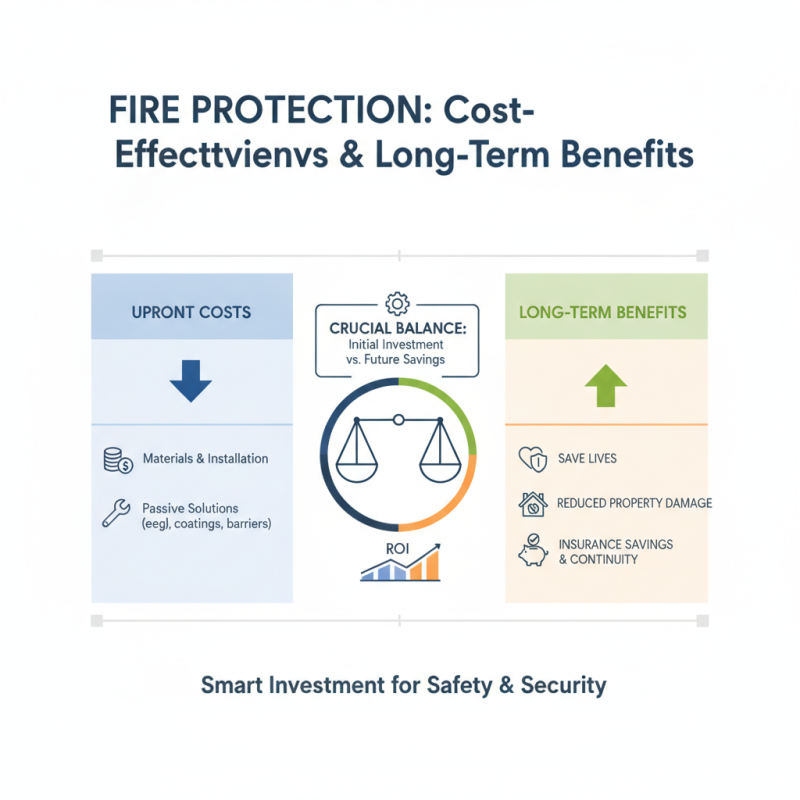
When choosing passive fire protection solutions, evaluating cost-effectiveness is essential. You want to ensure that your investment provides long-term benefits. Effective fire protection can save lives and reduce property damage. However, understanding the balance between upfront costs and long-term savings is crucial.
Tips: Analyze the total cost of ownership, not just installation costs. Consider maintenance and potential insurance savings. A more expensive solution may reduce accidents and save money over time.
Consider different materials and technologies available for passive fire protection. Options include fire-resistant walls, doors, and coatings. Each has unique benefits and limitations. It's important to consult with fire safety experts who can provide insights based on your specific needs.
Tips: Don’t overlook the importance of design. Properly integrated solutions make a real difference. Evaluate your structure’s layout and potential fire risks carefully. This reflection is necessary for effective safety planning.