Top 10 Residential Fire Rated Door Manufacturers for Buyers
Choosing a fire-rated door is not just a matter of comparing prices or finishes. For homes, the right product must fit the opening, match the project’s fire-safety requirements, and work reliably with its frame, seals, and hardware. Residential fire rated doors can differ in tested performance, construction, available sizes, and documentation. Small details matter. A poorly matched closer or an unsuitable frame can affect how the complete door assembly performs.
This guide reviews ten manufacturers buyers may encounter when researching residential fire rated doors. It considers product range, technical information, customization, support, and the clarity of available specifications. These factors help buyers form useful questions before requesting a quote. They do not replace project-specific advice. Requirements and test methods vary by location, building type, and application, so confirm applicable standards with a qualified professional and the relevant authority.
A polished catalog is helpful, but it is not proof of suitability. Ask for current test reports or certification details that apply to the exact door configuration, including glazing and hardware where relevant. Check lead times, installation guidance, warranty terms, and replacement-part availability too. This can feel like extra work. It is worth doing. Manufacturer information may be incomplete, and product names alone rarely reveal how an assembly was tested. Use the rankings as a starting point, then verify each detail against your opening, plans, and local requirements.
Residential Fire-Rated Doors: Common 20-, 45-, 60-, and 90-Minute Ratings
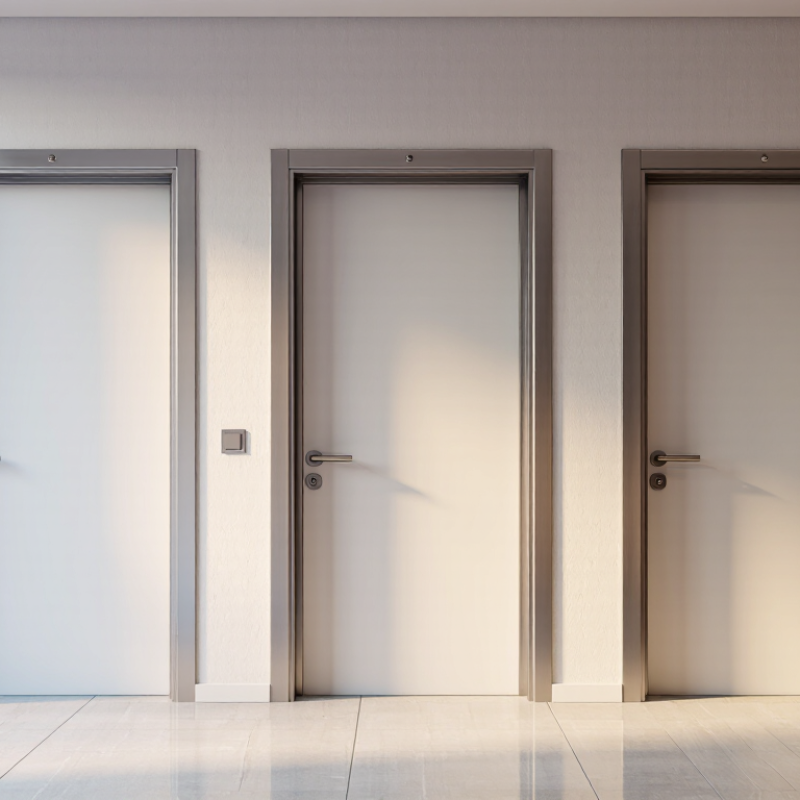
Residential fire-rated doors are tested to resist fire and heat for a stated period. Common ratings include 20, 45, 60, and 90 minutes. The number is not a promise that every fire will behave predictably. It reflects performance under a defined test, with the complete door assembly installed and maintained correctly.
A 20-minute door may suit certain interior openings, while 45-minute ratings are often specified for particular partitions. A 60-minute rating is common where stronger separation is needed. A 90-minute door may be selected for openings in higher-rated barriers. The right choice depends on the building layout and applicable local requirements. Check the label, frame, hinges, latch, and any glazing; a rated door is a system, not just a slab.
Details matter. A door that rubs against the threshold or fails to latch can undermine its intended function. Ask the supplier for test documentation matching the proposed size and hardware, and have installation checked by a qualified professional. Keep the label visible. Do not assume a higher rating is automatically better: it may add weight, cost, or closing force. Requirements vary, and I would verify them before ordering. A small mismatch can become an expensive correction.
How NFPA 80’s Annual Inspection Requirement Guides Manufacturer Evaluation
A residential fire-rated door is not a set-and-forget product. NFPA 80 calls for fire door assemblies to be inspected and tested at least annually, where the standard applies. The inspection checks practical details: a visible label, secure hinges, an unobstructed frame, and a door that closes and latches on its own. Small faults matter. A door that drags across the floor may fail to close fully, even if it looks sound.
For buyers comparing manufacturers, ask for clear installation instructions, inspection guidance, and documentation for the complete door assembly. Useful guidance explains which clearances to check and which replacement parts are compatible. It should also distinguish routine adjustments from damage requiring professional attention. A manufacturer’s answers can reveal how well it supports long-term maintenance, not just the initial sale. Ask how labels remain identifiable after finishing, and whether service information is easy to obtain years later. Annual inspections are performed by qualified personnel, not replaced by a sales brochure. Still, the quality of that brochure matters. I would not assume every residential opening has identical requirements; confirm the applicable code and assembly details with the responsible professional.
Top 10 Residential Fire-Rated Door Manufacturers: Products and Certifications
Residential fire-rated door manufacturers differ in materials, test evidence, and available configurations. Common options include solid-core timber, steel, and composite doors. Some models include fire-resistant glazing, perimeter seals, and compatible closers. The right choice depends on the opening, expected use, and project requirements—not appearance alone.
When comparing ten manufacturers, check that documentation identifies the exact door assembly, rating, frame, glazing, and hardware. Test reports or certification listings should match the proposed configuration; changing a lock or adding a vision panel may affect performance. Ask how installation instructions address gaps, wall types, and maintenance. Requirements vary by location, so confirm applicable standards with the project professional or authority. A polished brochure is not enough. I have seen specifications look clear until the frame details are checked.
Tips: Request the label location, inspection records, and written guidance for repairs. Compare lead times and replacement-part availability, too. Keep the paperwork with the building records. Small details matter. A short product description can hide a meaningful difference.
Compare Manufacturers by Tested Assemblies, Listings, Sizes, and Lead Times
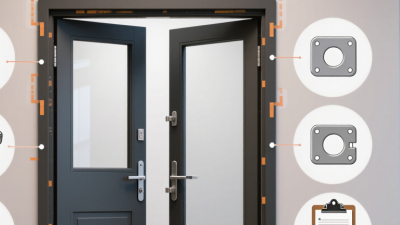
A residential fire-rated door is not a door leaf alone. Its rating depends on a tested assembly, including the frame, hinges, latch, seals, glazing, and wall condition. Ask each manufacturer for documentation that matches the exact configuration you plan to buy. A listed door paired with unapproved hardware may not match the tested assembly.
Compare available sizes and options carefully. Check clear opening dimensions, handing, frame depth, finish, and any vision panel requirements. Custom dimensions can affect both price and delivery. Request written lead times for the door, frame, and hardware, not just a general estimate. Delays often come from mismatched components. Small details matter.
A useful comparison sheet should record tested configurations, listing documentation, size limits, available hardware, and quoted shipping dates. Ask what changes require a new review of the assembly. This is easy to overlook. A salesperson’s quick confirmation is helpful, but keep the supporting documents with the project file. I would also leave room for uncertainty: production schedules can shift, and an estimate is not a guaranteed arrival date. Verify details before ordering.