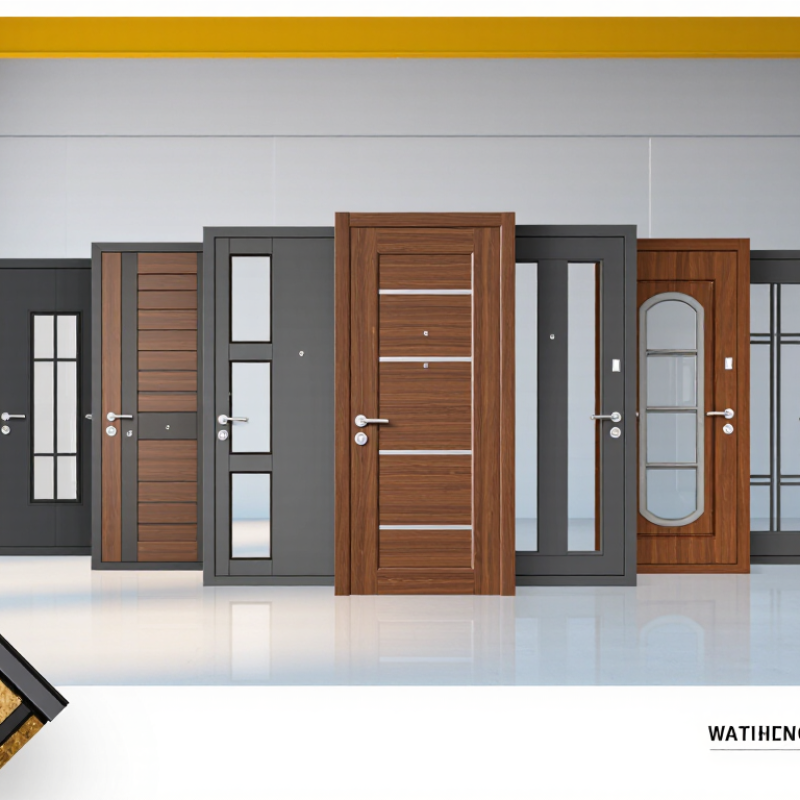
China Top 10 Residential Fire Rated Doors Manufacturers

Choosing reliable residential fire rated doors requires more than comparing prices or polished factory photographs. This guide examines China’s top 10 residential fire rated doors manufacturers through practical criteria, including production experience, tested fire resistance, material consistency, quality control, customization, and export support. A dependable door should protect an occupied home during a fire, not merely look substantial in a catalog.

We consider manufacturers with visible industry experience, documented testing, and clear technical communication. Key details include steel or timber construction, core materials, smoke-control options, hinges, locks, glazing, seals, and frame compatibility. A door may appear strong, yet poor installation can leave gaps around the frame. That detail matters.

Standards also differ between countries and project types. Therefore, buyers should verify current test reports, certification scope, fire-rating duration, and local code acceptance before placing an order. Factory audits, sample inspections, and production records can reveal more than marketing language. These steps support a safer, more informed decision.

The ranking is not an absolute judgment. Supplier capabilities can change, and available evidence may be incomplete. Some manufacturers offer excellent products but limited public documentation. Others communicate well while requiring closer verification. That is worth remembering. Our comparison aims to provide a practical starting point for developers, contractors, distributors, and homeowners seeking suitable fire-rated door suppliers in China. Final selection should match the building design, installation conditions, budget, and applicable safety requirements.

China Top 10 Residential Fire Rated Doors Manufacturers

What Are Residential Fire-Rated Doors and Why Do They Matter?

China Top 10 Residential Fire Rated Doors Manufacturers

What Are Residential Fire-Rated Doors and Why Do They Matter?

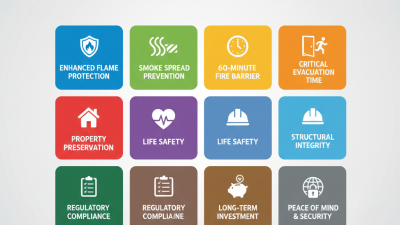
Residential fire-rated doors are tested door assemblies designed to slow fire, heat, and smoke. They usually include the door leaf, frame, hinges, latch, seals, and approved glazing. A rating such as 30, 60, or 90 minutes indicates the tested resistance period under controlled conditions. It does not mean the door remains safe forever.

These doors matter because a few minutes can protect an escape route. In a home, that time may allow residents to leave, call emergency services, or close nearby doors. A properly fitted door should close fully without force. Intumescent seals expand when exposed to heat, filling gaps around the edges. Small gaps matter. Smoke can travel through them before flames appear.

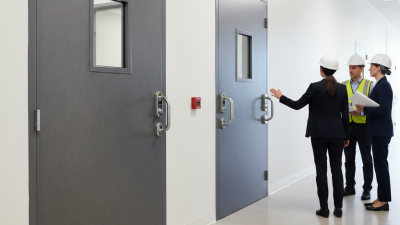
During practical inspections, installers often focus on the door panel and overlook the frame or hardware. That is a serious weakness. A certified door assembly must be installed according to its test evidence and local building requirements. Cutting the door, replacing hinges, or adding an unsuitable lock can reduce its performance. Maintenance is also essential: check self-closing devices, damaged seals, loose screws, and warped panels.

Fire-rated does not mean fireproof. That distinction is easy to miss. Residents should also avoid wedging these doors open, even for convenience. Some installations fail because daily habits defeat sound safety design. Regular inspection by a qualified professional provides more reliable protection than appearance alone.

How Fire-Rated Door Standards Shape Manufacturer Selection in China

China Top 10 Residential Fire Rated Doors Manufacturers

Fire-rated door standards strongly influence how residential manufacturers are selected in China. GB 12955 defines key requirements for fire door construction, materials, and performance. Buyers should check whether each door has a valid test report for its stated fire-resistance class. A door leaf alone is not enough. The frame, hinges, closer, lock, seals, and glazing must perform as one tested assembly.

In practical project reviews, reliable manufacturers provide traceable production records and clear installation guidance. They also explain differences between Class A, B, and C doors without hiding technical limits. Factory quality matters because small gaps can weaken smoke control. I have seen specifications look impressive, yet installation details were missing. That is a warning. A strong supplier should support sample testing, batch inspection, and site feedback. Certification helps, but it never replaces careful verification.

Tips:

Compare complete test documents, not brochure claims. Confirm the report matches the exact door design. Inspect intumescent seals, welding quality, and hardware alignment. Ask how the manufacturer controls thickness, density, and moisture during production. Check whether replacement parts remain available after installation. One overlooked detail can affect safety. Local building requirements and approval procedures should also be reviewed with qualified professionals before purchase.

China’s Top 10 Residential Fire-Rated Door Manufacturers

China’s Top 10 Residential Fire-Rated Door Manufacturers should be assessed through verified performance, not factory size alone. China’s GB 12955 standard defines fire-door classifications, testing procedures, and fire-resistance requirements. The China Fire and Rescue Administration reported about 945,000 fires nationwide in 2023. Residential protection therefore depends on tested doors, accurate installation, and dependable maintenance.

A practical review should compare the top ten manufacturers by certified ratings, smoke-control performance, steel or timber construction, and batch consistency. Intertek’s fire-door guidance stresses complete assembly testing, including frames, hinges, locks, and seals. A strong door leaf cannot compensate for a poorly fitted frame. The Global Fire Door Market report by Grand View Research identifies stricter building codes and urban construction as major market drivers. China’s expanding housing stock makes this trend especially relevant.

Experience from site inspections shows small details matter. Intumescent seals must sit continuously. Gaps should remain within the tested range. Self-closing devices need regular adjustment. These points are easy to overlook. A ranking can still mislead when it relies only on export volume or online visibility. Buyers should request current laboratory reports, traceable production records, and installation guidance. Some manufacturers publish impressive test figures, but supporting documents may be incomplete. That deserves careful questioning.

China Top 10 Residential Fire Rated Doors Manufacturers - China’s Top 10 Residential Fire-Rated Door Manufacturers

Rank Supplier Profile Typical Fire Rating Common Residential Applications Door Construction Typical Leaf Thickness Relevant Testing or Compliance Basis Common Surface Options
1 Supplier Profile 01 60 minutes Apartment entrances, stairwells and service corridors Galvanized steel leaf with mineral or honeycomb fire-resistant core 45–50 mm Chinese fire-door testing requirements; project-specific certification required Powder coating, primer coating or wood-grain transfer finish
2 Supplier Profile 02 90 minutes High-rise residential units, electrical rooms and refuge areas Reinforced steel leaf with insulated core and intumescent edge seals 50–60 mm Fire-resistance classification based on tested door-set assembly Electrostatic powder coating or stainless-steel facing
3 Supplier Profile 03 30–60 minutes Interior apartment doors, utility rooms and compartment boundaries Cold-rolled steel panels with fire-resistant infill and steel frame 40–50 mm Tested door leaf, frame, hardware and sealing system as one assembly Painted steel, laminate-style coating or decorative film
4 Supplier Profile 04 60–90 minutes Residential fire compartments, lift lobbies and escape routes Double-layer steel construction with ceramic or mineral insulation 50–65 mm May be evaluated under Chinese, European or project-specified methods Powder-coated steel or brushed metal appearance
5 Supplier Profile 05 30 minutes Residential kitchens, storage rooms and low-risk internal zones Light-gauge steel leaf with fire-resistant board or mineral wool core 40–45 mm Fire-rated hardware and smoke-control seals selected according to design Powder coating, pre-painted steel or wood-effect finish
6 Supplier Profile 06 60 minutes Apartment entryways, corridors and protected stair access Steel door leaf with multi-point reinforcement and expanding seals 45–55 mm Performance depends on the complete tested door-set configuration Powder-coated steel, stainless trim or decorative laminate
7 Supplier Profile 07 90–120 minutes Mechanical rooms, generator rooms and high-risk service areas Heavy-duty steel assembly with dense mineral core and reinforced frame 55–75 mm Higher ratings require matching frame, hinges, closer and locking hardware High-build powder coating or corrosion-resistant metal finish
8 Supplier Profile 08 60 minutes Basement entrances, parking access and residential fire zones Galvanized steel construction with moisture-resistant fire-rated core 45–55 mm Fire and smoke performance must be verified for the intended installation Zinc-rich primer, powder coating or stainless-steel facing
9 Supplier Profile 09 30–60 minutes Bedroom corridors, shared residential facilities and internal partitions Steel-faced leaf with lightweight fire-resistant board core 40–50 mm Door rating is valid only when approved hardware and installation details are followed Painted steel, transfer printing or decorative laminate
10 Supplier Profile 10 60–90 minutes Fire-rated apartment entrances, lobby separation and escape passageways Composite steel leaf with insulated core, smoke seals and self-closing hardware 45–65 mm Compliance should be confirmed through current certificates and approved test reports Powder coating, wood-effect coating or stainless-steel decorative panels

Note: Fire-resistance ratings apply to tested door assemblies rather than the door leaf alone. Actual performance depends on the frame, glazing, hinges, locks, door closer, seals and installation method. Product certification and applicable local building requirements should be verified before specification.

How the Leading Manufacturers Compare in Quality, Design, and Service

China’s top residential fire-rated door manufacturers differ most in testing discipline, design control, and after-sales service. NFPA reported 1,388,500 fires in the United States during 2023, with property damage reaching approximately $23.3 billion. A certified fire door is not decoration. It is part of a tested wall system.

Quality begins with traceable materials, stable core density, accurate door gaps, and reliable hardware. Buyers should request test evidence under EN 1634-1, UL 10C, or equivalent standards. Factory audits also matter. Inspect welding, edge sealing, coating thickness, and batch records. Design leaders offer timber, steel, and glazed options without weakening fire performance. Yet a polished catalog proves little. I would still inspect a sample before approving a large order.

Service often separates the strongest suppliers from average factories. Check drawing support, packing methods, replacement-part access, and response times. ISO 9001 certification can indicate process control, but it cannot replace product testing. Intertek’s fire-door guidance also stresses complete assemblies, including frames, seals, and hardware.

Tips: Compare the full assembly, not only the door leaf. Ask for current reports, installation instructions, and photos from production. Confirm whether ratings cover 30, 60, or 90 minutes. A cheaper quotation may hide weaker seals or limited support. That risk deserves reflection. Even experienced buyers can overlook installation quality.

What to Consider When Choosing a Chinese Fire-Rated Door Manufacturer

Choosing a Chinese fire-rated door manufacturer requires more than comparing prices or catalog photographs. Start by checking the door’s tested fire rating, test method, and certification documents. Ask whether the report covers the complete door assembly, including the frame, hinges, closer, glazing, and smoke seals.

Factory experience matters. Request production photos, quality-control records, and a sample made with the same core materials as the proposed order. A reliable manufacturer should explain how steel thickness, mineral wool density, welds, and intumescent seals are controlled. Small details matter. A loose hinge can affect closing performance.

Visit the factory when possible, or arrange a live video inspection. Look for organized material storage, traceable batches, calibrated testing equipment, and trained inspectors. Ask how defects are recorded and corrected, not merely hidden before shipment. Export experience is useful, but it does not replace technical evidence. The supplier must understand your wall thickness, opening dimensions, hardware requirements, and installation conditions.

Communication deserves careful testing. Send several technical questions and observe whether answers are specific or copied from a brochure. Confirm drawings, packing methods, lead times, replacement procedures, and inspection points in writing. A low quotation may exclude glazing, hardware, testing, or site adjustments. That omission can become expensive later.

No checklist is perfect. I would still inspect a pre-shipment sample, because documents cannot show every practical weakness. A door may pass a test yet arrive with damaged seals or poor alignment. Reliable cooperation depends on evidence, honest limitations, and consistent follow-through.