2026 Best Safety Glass Windows for Your Project

Safety glass windows are not a single product. Tempered glass breaks into smaller pieces; laminated glass holds fragments between bonded layers. The right choice depends on impact risks, location, frame design, and how the opening will be used. A busy school corridor and a sheltered home office need different answers.

The U.S. Consumer Product Safety Commission’s architectural glazing standard, 16 CFR Part 1201, sets impact-test requirements for certain glazing applications. It is a useful reference, but project teams should also check locally applicable building codes and product certifications. The U.S. Department of Energy reports that windows can account for 25–30% of residential heating and cooling energy use. That figure makes the trade-off tangible: safety, insulation, daylight, and cost all meet at the same pane. Details matter.

Glass-industry technical expert Dr. Helen Sanders has emphasized matching glazing performance to a building’s needs, rather than selecting by appearance alone. That is a practical way to approach the 2026 options. Compare tested impact performance, laminated or tempered construction, edge conditions, frame compatibility, and thermal ratings. Ask for documentation, not just a reassuring product label. A beautiful sample is not proof. And a specification can look complete while missing a real site condition—something worth checking twice. This guide examines the leading safety glass windows for different project types, with clear criteria for balancing protection, durability, and everyday comfort.
2026 Best Safety Glass Windows for Your Project

What Safety Glass Windows Are and How They Protect Building Occupants

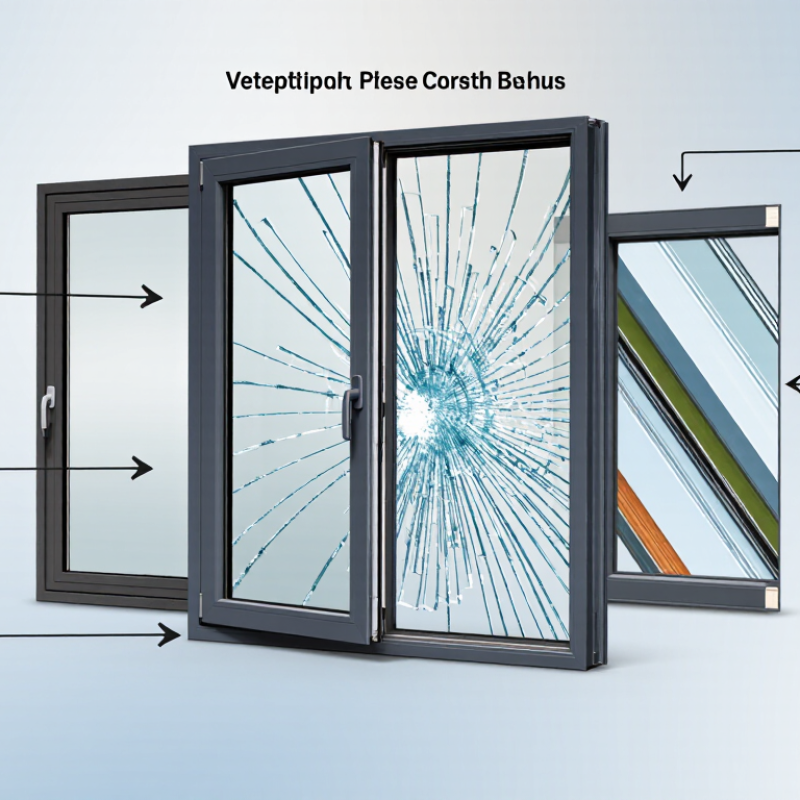
Safety glass windows are made to reduce injury when glass breaks or receives a hard impact. They commonly use tempered glass, laminated glass, or a tested combination of both. Tempered glass is heat-treated and usually breaks into smaller, less sharp pieces. Laminated glass has a clear interlayer that can hold many fragments together after cracking. Neither type makes a window unbreakable.

These windows can help protect occupants near doors, low-level glazing, and other areas where people may collide with glass. Laminated glazing may also remain in its frame after damage, helping limit openings and falling fragments. Protection depends on the glass, frame, installation, and location. A pane can look sturdy and still be unsuitable for a particular opening. No glazing removes every risk, which is worth remembering during project planning.

Tips: Ask a qualified professional to check the opening, frame, and intended use. Confirm that the selected glazing meets applicable local safety requirements. Inspect edges and frames during installation; small details matter. If the purpose is unclear, pause and verify before ordering.

Types of Safety Glass Windows and Their Key Differences

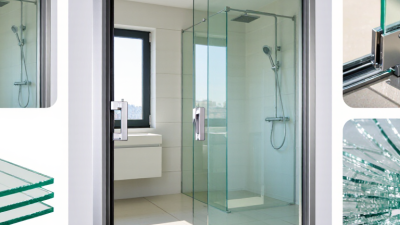
Tempered glass is heated and rapidly cooled, making it stronger than ordinary glass. When it breaks, it usually crumbles into small pieces rather than sharp shards. This makes it a common choice for doors, shower enclosures, and low-level windows. It does not usually stay in place after breaking, though. Laminated glass uses a plastic interlayer between panes. If the glass cracks, the pieces often cling to that layer, helping maintain a barrier. It can suit overhead glazing or places where keeping fragments together matters.

Insulated glass units combine panes with a sealed space between them to reduce heat transfer and outside noise. They can also include tempered or laminated safety glass. The unit’s insulation features and its safety features are separate considerations. Thickness alone is a poor shortcut. The right choice depends on impact risk, location, frame support, and the project’s performance needs. The choice is not always obvious; a window that handles impact well may still need careful attention to heat and sound.

Tips: Identify where people might contact the glass, then compare how each type behaves after breakage. Ask a qualified glazing professional to confirm the proposed make-up and applicable local safety-glazing requirements. Check the edges and frame details, too. Small installation details matter.

Safety Ratings, Building Codes, and Performance Standards for 2026

Safety glass selection in 2026 starts with the hazard, not the product label. Ask whether the window faces a door, sits beside a walking surface, or protects an elevated drop. These locations may trigger different requirements under locally adopted building codes. Tempered glass breaks into small pieces; laminated glass generally holds fragments together with an interlayer. Neither is right for every opening. Confirm the required glazing category and applicable test standard with the building official or qualified designer. Code editions and local amendments differ.

Look for documented compliance, not vague claims such as “impact resistant.” Ask which test standard and edition apply; requirements vary by jurisdiction. Request the glass make-up, thickness, test report, and installation details. A rated pane can still be unsuitable if its frame or anchorage cannot handle the loads.

Check that product labels remain traceable after delivery. Site conditions matter. Heat, coastal exposure, and large spans can affect the specification. One easy-to-miss detail is the entire opening, not just the glass. Measure carefully, then verify the final assembly against the project plans.

How to Choose Safety Glass Windows for Your Project

2026 Best Safety Glass Windows for Your Project
How to Choose Safety Glass Windows for Your Project

Choosing safety glass starts with the people and activities near the window. A low pane beside a patio door faces different impact risks than an upper-storey bedroom window. Check local building requirements and the specified test standard before comparing products. In the United States, CPSC 16 CFR Part 1201 sets impact categories; Category I glazing is tested at 150 foot-pounds, while Category II is tested at 400 foot-pounds. These figures describe test levels, not a guarantee against every real-world break.

Then choose the glass construction. Tempered glass breaks into smaller pieces, while laminated glass holds many fragments to its interlayer. That difference can matter near stairs, doors, or areas where falling shards are a concern. Ask for the exact safety-glazing classification and product documentation, not just the word “safety.” I would also check frame compatibility and installation details; a strong pane in a poorly supported frame is a weak plan. Small detail. It matters. For comfort, compare energy ratings too: the U.S. Department of Energy’s Energy Saver guidance reports that windows account for roughly 25–30% of residential heating and cooling energy use. Balancing impact protection, insulation, daylight, and cost can be awkward. The best choice depends on the opening, climate, and how the space is used.

2026 Best Safety Glass Windows for Your Project

Compare impact-test energy levels used in two U.S. safety-glazing standards when evaluating window requirements.

CPSC 16 CFR 1201 Category I and ANSI Z97.1 Class B use a 150 ft-lb impact level; CPSC Category II and ANSI Class A use 400 ft-lb. These are standard test classifications, not a ranking of glass types or a guarantee of window performance. Confirm the applicable code and required glazing classification for your project location and application.

Installation, Inspection, and Maintenance of Safety Glass Windows

Safety glass performs well only when its type, thickness, and edge support suit the opening. Before installation, confirm that the frame is square, clean, and free of loose fasteners. A qualified glazier should follow the glass supplier’s instructions and applicable local building requirements. Use compatible setting blocks and seals; hard contact between glass and metal can create stress points. Keep drainage paths open. Small details matter.

After installation, check for chips, cracks, loose beads, failed seals, and water trapped near the sill. Look closely at corners and exposed edges, where damage can be easy to miss. Tempered glass may fail suddenly after edge damage, so restrict access and arrange a professional assessment if damage appears. Laminated glass may remain in place after cracking, but it still needs prompt evaluation. Do not assume a pane is safe because it has not fallen. It is tempting to blame the glass, but frame movement can sometimes be the cause.

Tips: Clean with mild soap, water, and a soft cloth; abrasive pads can scratch glass or coatings. Inspect seals seasonally, especially after storms, and keep drainage holes clear of dust and leaves. Record defects with dated photos. Replace damaged components promptly, not just the visible pane. If the cause is uncertain, stop work and consult a qualified professional.