- Proudly Made in the USA

What Are Safety Glass Windows?
Safety glass windows are designed to reduce injury when ordinary glass breaks. They appear in doors, shower enclosures, low-level glazing, sidelights, and large areas near walkways. Their purpose is practical: control the way glass fails, rather than promise that breakage cannot happen.
Architectural glass consultant Mark Meshulam has repeatedly stressed the importance of proper selection and installation. His warning is simple: “Glass is not invisible when it breaks; it becomes a hazard.” The statement deserves attention. Tempered glass usually breaks into small, blunt-edged pieces. Laminated glass normally holds together because a plastic interlayer remains attached. These behaviors are different, and the correct choice depends on location, impact risk, wind pressure, heat, and the surrounding frame.
Look closely at a bathroom enclosure. A small metal fitting, a hard tile edge, or a poorly aligned door can create concentrated stress. Even safety glass windows can fail under severe impact or hidden damage. That fact is easy to overlook. The word “safety” can sound absolute, but it is not.
A reliable explanation should also mention professional assessment. Installers must follow applicable building requirements, product instructions, and recognized glazing standards. Labels, markings, frame condition, and installation quality all matter. Homeowners should not drill, cut, or modify installed safety glass windows without qualified advice. The strongest material can still perform poorly when chosen for the wrong opening. This topic is technical, but the human concern is clear: safer breakage, fewer sharp fragments, and better decisions before installation.
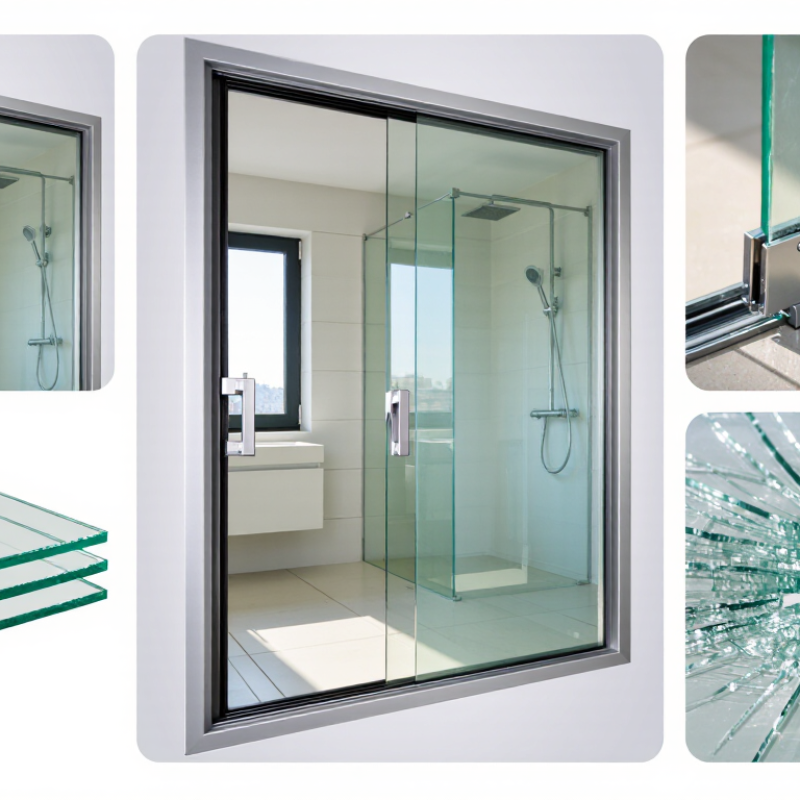
Table of Contents
[Hide]
Definition and Purpose of Safety Glass Windows
What Are Safety Glass Windows?
Definition and Purpose of Safety Glass Windows
Safety glass windows are designed to reduce injury when glazing breaks or receives a strong impact. Unlike ordinary annealed glass, tempered glass breaks into small, blunt-edged pieces. Laminated glass usually cracks but remains attached to a plastic interlayer. That difference matters beside doors, stairways, showers, and low-level windows. A broken pane can become a sharp, waist-high hazard.
The U.S. Consumer Product Safety Commission’s National Electronic Injury Surveillance System uses reports from about 100 hospitals to monitor emergency injuries, including incidents involving glass doors and windows. Its data show why impact-resistant glazing remains a practical building-safety issue, although the system does not identify every window design. Under 16 CFR Part 1201, safety glazing in specified hazardous locations must pass impact testing. ANSI Z97.1 also establishes safety-glazing performance classifications. These standards support informed selection, not automatic protection. Installation quality still matters.
Tips: Check for permanent safety-glazing markings near the corner. Ask the installer which standard and test category apply. Keep furniture away from low panes. Tempered glass is not always the better choice; laminated glass may be preferable where broken pieces must stay together. In real inspections, labels can be missing or hidden by frames. That is worth questioning. A compliant product can still perform poorly after incorrect sizing, damaged edges, or careless fitting.
What Are Safety Glass Windows? - Definition and Purpose of Safety Glass Windows
| Data Dimension | Safety Glass Information | Practical Purpose | Important Characteristics |
|---|---|---|---|
| Definition | Safety glass is glass manufactured or processed to reduce the likelihood of serious injury when it breaks. | It helps protect building occupants from large, sharp shards caused by accidental impact or thermal stress. | Safety glass is designed to improve breakage behavior, but it is not completely unbreakable or hazard-free. |
| Primary Types | The two widely used types are tempered glass and laminated glass. | Each type addresses different risks: tempered glass is designed for safer fragmentation, while laminated glass is designed to remain attached after cracking. | Selection depends on impact risk, fall-through risk, noise requirements, security needs, and local building regulations. |
| Tempered Glass | Tempered glass is heat-treated so that it has greater mechanical and thermal strength than ordinary annealed glass of similar thickness. | It is commonly used in doors, shower enclosures, side windows, and other areas where accidental impact is possible. | When it breaks, it generally disintegrates into many relatively small granular pieces rather than long, sharp splinters. It cannot normally be cut or drilled after tempering. |
| Laminated Glass | Laminated glass consists of two or more glass layers bonded to an internal plastic interlayer, commonly made from materials such as PVB or ionoplast. | It helps retain broken glass in the opening and can reduce the risk of falling through a damaged window. | It can provide improved security, sound control, ultraviolet filtering, and protection from wind-borne debris, depending on its construction. |
| Breakage Pattern | Tempered glass typically breaks into small, blunt-edged fragments, while laminated glass usually cracks and remains held together by the interlayer. | The breakage pattern can reduce laceration risk and help maintain a partial barrier after damage. | Actual performance depends on glass thickness, processing quality, installation, impact location, and the complete window system. |
| Common Hazard Areas | Safety glazing is often considered for doors, sidelites, large or low-level glazing, shower and bath enclosures, stairways, balconies, and areas near walking surfaces. | These locations have a higher probability of human impact or a greater consequence if glass breaks. | Exact locations requiring safety glazing are determined by applicable building codes and site conditions. |
| Human-Impact Protection | Safety glazing is tested to evaluate resistance to specified impact conditions under recognized safety-glazing standards. | Testing helps verify whether the glazing is suitable for locations where people may walk into or fall against the glass. | A safety-glazing label or permanent marking is commonly used to identify compliant glass, where required by regulation. |
| Thermal Resistance | Tempered glass generally tolerates greater temperature differences across its surface than ordinary annealed glass. | It can reduce the risk of thermal breakage in applications exposed to sunlight, heat sources, or temperature changes. | Thermal performance varies with glass thickness, edge quality, shading, frame design, and installation conditions. |
| Post-Breakage Behavior | Tempered glass usually loses its structural integrity after breakage, whereas laminated glass may remain in the frame as a cracked sheet. | Laminated construction is often preferred where keeping an opening covered after breakage is important. | Cracked or broken glazing should be isolated and replaced by a qualified professional as soon as practical. |
| Energy Performance | Safety glass itself does not automatically provide high energy efficiency. Thermal performance depends on the full window assembly. | Insulating glass units, low-emissivity coatings, gas fills, frame materials, and proper installation have a major effect on heat transfer. | A safety-glazed window can also be energy-efficient when the glass and frame are specified as a suitable complete system. |
| Sound Control | Laminated glass can provide better sound reduction than a comparable single pane because its interlayer helps damp vibration. | It may help reduce traffic noise and other exterior sounds when correctly selected and installed. | Acoustic performance depends on pane thickness, air-space width, interlayer type, frame design, and installation quality. |
| Ultraviolet Protection | Many laminated glass constructions can block a substantial portion of ultraviolet radiation because of the interlayer. | This may help reduce fading of furnishings, flooring, artwork, and interior finishes. | Ultraviolet transmission varies by interlayer and glass configuration, so product performance data should be checked. |
| Limitations | Safety glass can still break, and tempered glass may produce an immediate open area after failure. | It reduces specific risks but does not eliminate the need for proper design, guarding, maintenance, and safe behavior. | Do not modify tempered glass after manufacture. Avoid drilling, cutting, or edge alterations unless the glass is specifically designed for that process. |
| Applicable Standards | Safety glazing requirements are addressed by local building codes and recognized standards, such as impact-performance standards used in North America, Europe, and other regions. | Standards provide test methods, classification requirements, and marking rules for safety glazing products. | Code requirements vary by jurisdiction, building type, window location, glazing size, and risk of human impact. |
| Best Selection Approach | Choose the glass type according to the main hazard: impact, fall-through, thermal stress, noise, security, weather exposure, or ultraviolet transmission. | Proper selection improves occupant safety and helps the window meet performance and regulatory requirements. | Consult the applicable building code and a qualified glazing professional before ordering or replacing safety glass windows. |
Safety Note: The term “safety glass” describes glass with tested safety characteristics, not glass that is impossible to break. Always verify local building-code requirements and use a qualified professional for sizing, installation, inspection, and replacement.
Related Posts
-
What is Safety Glass Windows and Why They are Important?
-

How to Choose Safety Glass Windows for Your Project?
-

What Are the Top Types of Safety Glass Windows?
-

How to Choose the Right Safety Glass Windows for Your Home or Business
-
How to Choose the Best Safety Glass Windows for Your Needs?
-
What Are the Benefits of Safety Glass Windows for Buyers?