- Proudly Made in the USA
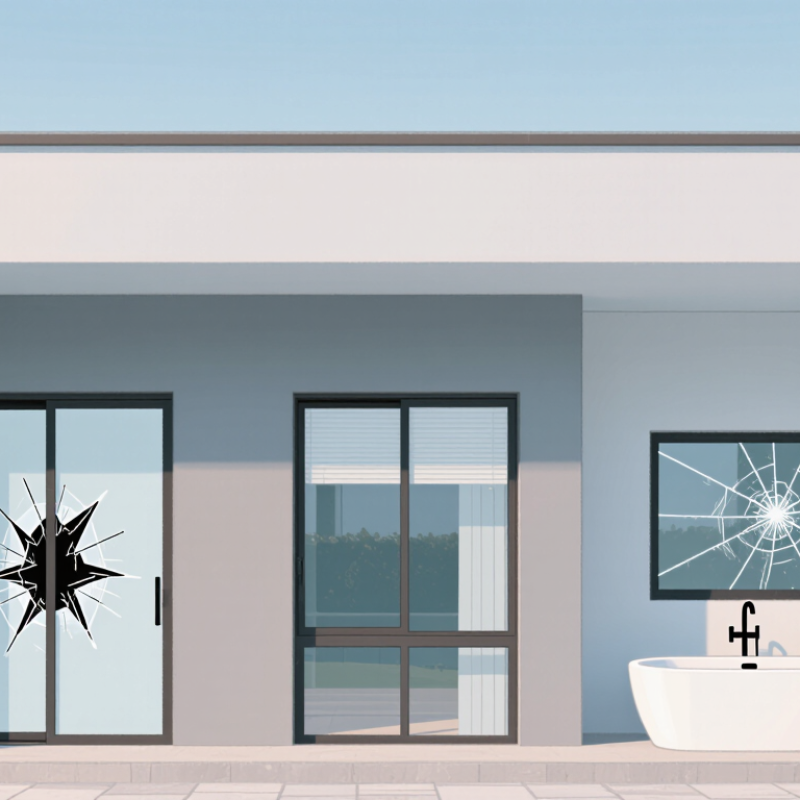
Choosing safety glass windows is less about buying the thickest pane and more about matching the glass to the hazard. A low window beside a bathtub, a sliding door, and a street-facing ground-floor window face different risks. The right choice can reduce injury when glass breaks, but no glazing makes every impact harmless.
In the United States, CPSC’s 16 CFR Part 1201 sets impact-performance requirements for certain architectural glazing materials. ANSI Z97.1 also provides testing criteria for safety glazing used in buildings. These references help compare tested products; they do not replace project-specific code checks. CPSC’s National Electronic Injury Surveillance System (NEISS) tracks emergency-department-treated injuries across the country. Its estimates are useful context, but broad injury data cannot tell you which window is safest for your home. That distinction matters.
Tempered glass usually breaks into smaller pieces, while laminated glass is designed to retain fragments on an interlayer. Each can suit different locations, frames, and performance needs. Ask for the product’s test standard, glass type, thickness, and installation details—not just a “safety” label. Check whether the frame and glazing system are compatible, too. A strong pane in a poorly fitted frame may disappoint. It happens.
This guide explains how to choose safety glass windows by considering impact risk, location, certification, and installation. It also leaves room for judgment: the best specification depends on the building, and a sales claim alone is not proof.
How to Choose Safety Glass Windows?
Start by mapping places where a person might walk, slip, or fall into glass. Check beside doors, around baths and showers, along stairways, and in low-level windows or glazed doors. A child running through a hallway may not notice a clear panel. Wet floors make bathroom glass a particular concern.
Look for permanent safety-glazing markings, and check product documents when markings are missing or hard to read. Tempered glass is designed to break into smaller pieces; laminated glass is designed to remain held together by an interlayer. Neither choice suits every opening. The right option depends on location, frame design, and local building requirements. A visual check helps, but it cannot confirm glass thickness or installation quality. Ask a qualified glazing professional to assess uncertain panels, especially near stairs or bathing areas.
Tips: View glass from both sides in daylight, and note its distance from doors, steps, and floor level. Check that shower screens and door panels feel secure, with no loose fittings or chipped edges. Small details matter. I might miss a hidden hazard on a quick walk-through, so a room-by-room checklist is worth keeping. Check local requirements before replacing glass.
Use these common model-code dimensions to flag glazing that may need safety glazing. The thresholds refer to different reference points; they are not risk scores.
How to read this chart: Low-level glazing may be hazardous when its bottom edge is below 18 inches above the floor, subject to additional conditions such as glass area and proximity to a walking surface. Glazing near doors, tubs or showers, and stairs commonly uses a 60-inch vertical screening threshold, with additional location criteria. These are general references from model building-code provisions; check the locally adopted code and applicable exceptions before specifying glass.
Tempered and laminated glass protect people in different ways. Tempered glass is heat-treated for strength; when it breaks, it usually crumbles into small, relatively blunt pieces. This can reduce the risk of severe cuts, but the opening may be left exposed. Imagine a ground-floor window struck by a hard object: the glass can fail quickly, even if its broken pieces are less sharp.
Laminated glazing sandwiches a plastic interlayer between glass sheets. After impact, fragments often cling to that layer, helping the pane remain in place. That matters. It can delay access and reduce falling shards, though the glass may crack and still need replacement. Laminated panes can also help limit outside noise, depending on their construction. There is no universally better choice, and I would not judge safety by glass type alone. Frame strength, pane size, edge support, and the likely impact all affect performance. A small bathroom window and a large entry-side panel may need different solutions. Check the glazing’s tested performance and confirm that it suits the frame; this detail is easy to overlook.
| Comparison factor | Tempered glass | Laminated glass | What to consider |
|---|---|---|---|
| How it is made | A single pane is heat-treated and rapidly cooled to increase its strength compared with ordinary annealed glass. | Two or more glass panes are bonded together with a plastic interlayer, commonly PVB or ionoplast. | Laminated glass can be made with annealed, heat-strengthened, or tempered glass plies. |
| Breakage pattern | Typically breaks into many relatively small pieces rather than large, sharp shards. | The glass may crack, but the interlayer generally holds many fragments together. | Neither option is unbreakable; the exact breakage behavior depends on the glass build and impact. |
| After the glass breaks | The pane usually loses its ability to act as a continuous barrier and may fall out of the frame. | The interlayer can help keep the cracked pane in place, though the remaining barrier depends on the construction and installation. | Consider laminated glazing where retaining a barrier after breakage is important. |
| Impact and safety performance | Often selected for locations where safety glazing is required and a reduced risk of severe cutting injuries is a priority. | Can provide impact protection and fragment retention; performance varies with pane thickness, interlayer, and tested assembly. | Match the complete glazing assembly to the applicable safety or impact-resistance requirements. |
| Typical uses | Common in doors, sidelites, shower enclosures, and other areas where impact-related safety glazing is required. | Common in overhead glazing, skylights, guard or barrier glazing, and applications where fragment retention is desired or required. | Use location-specific building codes and design requirements to determine the suitable type. |
| Sound and UV considerations | A single tempered pane does not include an acoustic interlayer. | The interlayer can improve sound control in some configurations. Laminated glazing can also reduce transmission of much of the sun’s UV radiation, depending on the interlayer. | Check product-specific acoustic and UV data; results vary by glass and interlayer specification. |
| Fabrication and replacement | Must generally be cut and finished before tempering; it cannot be cut or drilled after heat treatment. | Manufacture and replacement depend on the laminated build, edge details, and framing system. | Confirm dimensions, holes, edgework, and frame compatibility before ordering. |
| Cost and weight | Often a simpler and lighter option than a comparable multi-ply laminated build, though prices vary. | Often heavier and may cost more because it includes multiple plies and an interlayer. | Compare quotes for the specified thickness, dimensions, performance, and installation—not glass type alone. |
| Best starting point | Consider when safety glazing is required and quick fragmentation is acceptable for the application. | Consider when retaining cracked glass in the opening or meeting a specific overhead, barrier, acoustic, or security objective is important. | Verify local code, hazard location, wind and impact loads, and the tested rating of the complete window assembly. |
Note: Safety-glazing requirements vary by jurisdiction and application. Confirm the required glass type and certification with the local building authority or a qualified glazing professional.
How to Choose Safety Glass Windows?
Safety glass selection starts with checking the applicable impact-safety standards. Look for references to ANSI Z97.1 or CPSC 16 CFR 1201 on the glazing mark or product documentation. These standards test glazing for human impact, but their classifications and acceptance criteria are not identical. A code reference alone does not confirm that a window suits every location.
Check that the mark or paperwork identifies the tested product and its classification. Requirements can vary with window location, size, and local building rules. For example, glazing near a door or in a low window may need different consideration than glass high above the floor. Labels matter. If markings are missing or unclear, ask the supplier for test documentation and confirm the installation requirements with a qualified professional. I would not rely on appearance; clear glass can still be safety glazing, and ordinary glass can look similar.
Tips: Before ordering, note the window’s height, nearby doors, and likely impact points. Ask which standard and classification apply to that exact unit, not just the glass type. Keep the product paperwork with your renovation records. A small detail is easy to overlook: the frame and installation also affect how the window performs, so verify the complete assembly rather than judging the pane alone.
When choosing safety glass windows, compare the tested impact level with the hazards at the opening. CPSC’s 16 CFR Part 1201 sets two impact categories:
Not a guarantee. These figures describe performance in specified tests, not protection from every object, installation error, or weather event.
Ask for the test documentation, glass construction, and the exact opening the rating covers. A label alone may not tell you whether the frame and glazing were evaluated as a complete assembly. For hurricane-prone locations, ASTM E1886 and E1996 address impact and cyclic-pressure testing; those results are not interchangeable with CPSC category ratings. Check applicable building requirements and have the window sized and installed for its exposure. A small ground-floor pane beside a busy walkway presents a different risk from an upper-floor window sheltered by a deep porch. Details matter. Measurement, framing, and edge support can affect real-world performance, so verify them before ordering.
A safety-glazing label is more than a small mark in a corner. Check that it identifies the glass as safety glazing and remains readable after installation. Match the label to the product paperwork, especially if the pane is laminated or tempered. Do not judge by appearance alone. Clear glass can look ordinary.
Local requirements depend on the building and the window’s location. Glazing near doors, stairs, or tubs may need specific safety characteristics, but rules vary. Ask your local building department or a qualified glazing professional which code applies to your project. Share the opening’s measurements and intended use. I still find it easy to assume one rule fits every room. It doesn’t.
Installation matters just as much as the glass. Confirm that the frame suits the pane’s thickness and weight, and follow the specified setting and sealing details. Check clearances, edge support, and drainage before the unit is fixed in place. Keep the installation instructions with your records. If the frame is damaged or the opening is out of square, pause and get advice. A neat-looking fit is not always a safe fit.
Whether you’re looking for fire-rated walls, doors, openings, floors or a specialty service, we have the solution for you. With over 40 years of experience in testing, innovating, and providing technologically advanced fire-rated glass and framing products, we deliver unyielding performance and quality at a competitive price.