What Are the Top Fire Door Regulations for Global Buyers?
Fire doors are tested systems, not ordinary doors with heavier hinges. The leaf, frame, seals, glazing, and hardware must work together to resist fire and smoke. A mismatch can undermine the rated assembly. Small details matter.
NFPA’s Fire Loss in the United States During 2023 report estimated 1.39 million fires and $23.2 billion in direct property damage. These figures describe the United States, not the global market, but they show why dependable passive protection matters. Fire door regulations differ by country, building type, and intended use. Buyers cannot assume that one certificate meets every project’s requirements.
Relevant references include EN 1634-1 for fire-resistance testing of door and shutter assemblies, NFPA 80 for installation and maintenance, and Australia’s AS 1905.1 for fire-resistant doorsets. These standards serve different purposes and are not interchangeable. Local authorities may also require specific certification, labeling, installation records, and inspection schedules. Check the complete doorset, including its frame, seals, glazing, and approved hardware—not just the door leaf. Ask for test evidence and confirm it matches the exact product configuration. Even experienced buyers can overlook a small change in hardware or installation. That is an uncomfortable, but useful, reminder: paperwork and site conditions both matter. This guide explains the key checks global buyers should make before specifying or purchasing fire doors.
What Fire Door Regulations Apply in Major Global Markets?
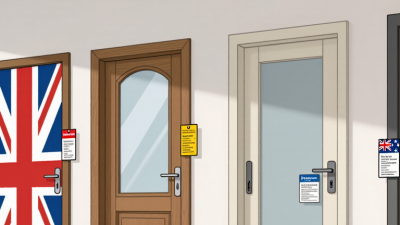
Fire-door rules differ by market, even when doors look identical. Buyers should check the building code, test standard, and installation rules together. A rated leaf alone does not prove that the complete assembly complies.
In the United States, the International Building Code sets requirements by occupancy and location, while NFPA 80 covers installation, inspection, and maintenance. NFPA’s Fire Loss in the United States During 2021 report recorded about 1.35 million fires. That figure makes reliable compartmentation more than a paperwork issue.
In England, Approved Document B guides fire-safety design; door performance is commonly assessed under BS 476 or EN 1634-1. Requirements can differ across UK jurisdictions. Check the project location.
Across the European Union, EN 16034 applies to fire-resisting and smoke-control doorsets alongside relevant product and construction rules. Australia commonly references AS 1905.1 for fire-resistant doorsets and AS 1530.4 for fire-resistance testing.
Test reports should match the proposed door, frame, hardware, and installation conditions. Small details matter. A site review may reveal gaps that drawings miss. NFPA’s data describe the United States, not every market, so buyers should verify local approvals with the project’s fire engineer and authority.
How Are Fire Resistance Ratings Tested and Classified?
Fire-resistance ratings come from testing a complete door assembly, not just its leaf. That assembly includes the frame, seals, glazing, and hardware. In North America, tests such as UL 10C and NFPA 252 expose assemblies to a controlled furnace fire. UL 10C uses positive-pressure conditions. Results are commonly expressed in minutes, such as 20, 60, or 90 minutes. These figures describe performance under a defined test, not a guarantee of identical results in every building.
European systems use EN 1634-1 for fire testing and EN 13501-2 for classification. Ratings may include E for integrity and I for insulation; some classifications also use W for radiation control. Do not assume a 60-minute rating in one system maps directly to another. The test criteria differ. Labels matter.
The Fire Door Inspection Scheme’s 2019 survey of more than 100,000 inspected doors reported that about 76% had faults. That is a reminder that tested performance can be undermined by poor installation, damaged seals, or unsuitable hardware.
A laboratory rating is useful, but it cannot tell buyers whether the installed door will still close and latch correctly. Check the test standard, full assembly scope, and installation records. One limitation remains: paperwork may look complete while site conditions have changed.
Which Certification and Labeling Requirements Should Buyers Check?
For global buyers, certification must match the exact fire door assembly, not just the door leaf. Check whether the test covers the frame, glazing, seals, hinges, and closing hardware used in your order. Standards differ by market; EN 1634-1 and UL 10C are examples, not interchangeable approvals. Confirm the required standard and rating with the local authority or project specification. Check the label.
Look for a durable label or mark showing the fire rating, product identification, and certification body. The certificate should be current and traceable to the tested construction. Compare its listed dimensions and components with the delivered door; a different glass panel or closer can affect compliance. Small details matter. Ask for installation instructions and evidence that the installer followed them. Keep certificates, delivery records, and inspection notes together for future checks. Paperwork can look convincing while leaving gaps, so verify the certification directly with its issuing body when possible. Exact acceptance rules vary, and even experienced buyers may miss a changed component. Don’t assume a familiar-looking label proves approval in every destination country.
What Installation Standards Must Fire Doors Meet?
Fire-door performance depends on the complete installed assembly, not the leaf alone. Global buyers should specify the applicable standard for each destination. In North America, NFPA 80 covers installation, inspection, testing, and maintenance. In Europe, EN 16034 addresses product performance, while EN 1634-1 sets fire-resistance test methods. Confirm that the door, frame, hardware, seals, and glazing match the tested configuration and its certification.
Details matter. The installer should check that the frame is square and securely anchored, and that the door closes and latches without assistance. Follow the certified instructions for clearances; permitted gaps differ by assembly. Do not cut, drill, or replace components unless the approval allows it. Small gaps matter. A closer that cannot overcome carpet or a poorly aligned latch can compromise reliable closure.
The Fire Door Inspection Scheme has reported that about three-quarters of doors in its inspected sample failed inspection. That finding is a warning, not a global failure rate: the sample does not represent every building or market. Buyers should require installation records, product identification, and documented commissioning checks. I would also plan for later inspections; a compliant handover does not guarantee a compliant door years later.
How Should Fire Doors Be Inspected and Maintained?
Fire doors need routine inspection, not just a glance at the label. Check the complete assembly: door leaf, frame, hinges, latch, seals, glazing, and closer. The door should close fully from any open position and latch without being pushed. Look for gaps, damaged intumescent seals, loose screws, wedged-open leaves, or paint that hides labels. Record each defect, its location, and the repair date. A checklist helps, but it can still miss a closer that fails only intermittently.
Inspection intervals depend on local rules and the building’s use. NFPA 80 calls for annual inspections of many fire door assemblies in the United States; buyers should confirm applicable requirements with local authorities and qualified inspectors. The Fire Door Inspection Scheme’s 2023 reporting has highlighted widespread defects in inspected doors, including issues with gaps and seals. That finding describes inspected samples, not every building worldwide, but it shows why visual checks matter.
Tips: Test the closer and latch; never wedge the door open. Photograph defects, keep service records, and arrange repairs by competent personnel. Small faults matter. Recheck the door after repairs, and verify that replacement parts suit the approved assembly. A door can look sound and still fail to close properly.