Top Fire Rated Glass Manufacturers What Buyers Need to Know?

Fire rated glass is no longer a niche specification for architects and contractors. It protects escape routes, stairwells, corridors, and compartment walls while preserving daylight and visibility. Yet, the product can look ordinary before a fire exposes its weaknesses.

NFPA’s Fire Loss in the United States During 2023 estimated 1,504,500 reported fires and 3,670 civilian fire deaths. These figures show why passive fire protection deserves careful product selection. A manufacturer’s brochure is not enough. Buyers should examine independent test evidence, fire-resistance duration, hose-stream performance, impact classification, and compatibility with the complete framing system. UL 9, ASTM E119, EN 1364-1, and EN 13501-2 may apply, depending on the project location and design.

Small details matter.

A reliable supplier should explain whether the glass is fire-protective or fire-resistive. Those terms are not interchangeable. The National Glass Association and major certification bodies consistently emphasize tested assemblies, not glass alone. This distinction affects radiation control, insulation, temperature rise, and permitted application areas.

Comparing top fire rated glass manufacturers therefore requires more than comparing prices per square metre. Buyers should review factory quality controls, test reports, traceability records, lead times, warranty conditions, and installer training. Site experience also matters. Incorrect glazing blocks, excessive edge pressure, or unsuitable sealants can undermine a certified assembly.

There is no perfect supplier for every project. That is easy to forget. The strongest purchasing decision combines verified performance, practical installation advice, and transparent technical documentation. This guide examines those factors, helping buyers ask sharper questions before selecting a manufacturer or approving a specification.
Top Fire Rated Glass Manufacturers What Buyers Need to Know?

What Fire-Rated Glass Is and How It Protects Buildings

Fire-rated glass is specially tested glazing designed to resist fire for a defined period. It is not simply thicker window glass. Depending on its construction, it may block flames, smoke, radiant heat, or several hazards at once.

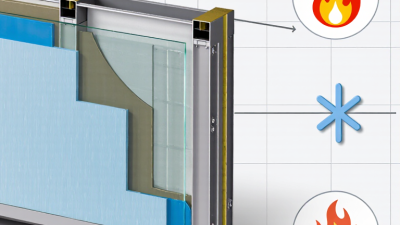
A clear pane may look ordinary. That is part of the risk. During a fire, heat can spread through an unprotected opening even when flames are not visible. Fire-rated glass helps maintain compartments in corridors, stairwells, doors, and internal partitions. Some products use heat-reactive layers that turn opaque and expand when exposed to high temperatures. Others provide insulation by limiting heat transfer across the glass.

The rating must match the building’s design. A 60-minute glass panel can fail early if installed in an unsuitable frame or with the wrong seal. Manufacturers should provide tested system details, installation instructions, and traceable certification. Buyers should check the rating, size limits, framing materials, glazing seals, and smoke-control requirements. On site, labels and documentation matter as much as appearance. A missing gasket or damaged edge may not be obvious, yet it can reduce protection. This detail is often underestimated. Fire performance belongs to the complete assembly, not the glass alone. Even experienced teams can make assumptions, so project-specific review remains necessary.

Key Standards for Evaluating Fire-Rated Glass Manufacturers

Top Fire Rated Glass Manufacturers: What Buyers Need to Know?

Evaluating a fire-rated glass manufacturer starts with test evidence, not attractive product sheets. Ask which standards cover the glass and the complete glazing system. Common references include ASTM E119, ASTM E2307, EN 1364-1, and EN 1634-1. Requirements differ by wall, door, curtain wall, and façade application. A glass panel may pass alone but fail when installed with an unsuitable frame, seal, or bead.

Request full test reports, certification numbers, and the tested configuration. Check the fire rating, temperature rise, hose-stream performance, smoke control, and impact classification. The report should identify thickness, dimensions, framing materials, installation direction, and maximum exposed area. Missing details create expensive uncertainty. A reliable manufacturer should explain these limits clearly.

Production control also matters. Look for batch traceability, dimensional inspection, edge-quality checks, and documented heat-treatment procedures. An ISO/IEC 17025-accredited laboratory adds credibility, but accreditation does not replace product-specific testing. Ask how the manufacturer manages design changes and replacement panels. Small changes can affect performance. Site guidance should include storage, handling, glazing blocks, sealants, and cleaning methods. Installation errors remain common. Buyers sometimes focus too heavily on the glass and overlook the surrounding system. That is an easy mistake to make. Local code acceptance and competent engineering review should be verified before purchase.

Top Fire Rated Glass Manufacturers: What Buyers Need to Know? - Key Standards for Evaluating Fire-Rated Glass Manufacturers

Evaluation Dimension What Buyers Should Verify Relevant Standard or Classification Typical Technical Data to Record Why It Matters
Fire-Resistance Rating Confirm the tested duration for the complete glazed assembly, not only for the glass pane. 20, 30, 45, 60, 90, 120, or 180 minutes may be specified, depending on the tested system and jurisdiction. Rated duration, application type, frame construction, glazing method, and maximum approved dimensions. A fire-rated glass product is approved only within the limits of its tested assembly.
Integrity Performance Check whether the glass and framing prevent flames and hot gases from passing through for the required period. E classifications under EN 13501-2; fire-protection or fire-resistance criteria under applicable North American assembly tests. Integrity rating, test duration, visible cracking limits, and flaming or hot-gas leakage results. Integrity is essential for preventing fire and smoke from spreading through openings.
Insulation Performance Determine whether the glazing limits temperature rise on the unexposed side of the assembly. I classifications under EN 13501-2; insulation criteria in the applicable fire-resistance test. Average and maximum unexposed-face temperature rise, rated duration, and assembly configuration. Insulation helps protect people and combustible materials located near the non-fire side.
Radiation Control For European projects, verify whether the product controls transmitted radiant heat in addition to integrity. W classification under EN 13501-2. Radiation-control classification, permitted viewing distance, duration, and installation restrictions. Radiant heat can ignite nearby materials even when flames do not pass through the glazing.
Test Method and Fire Curve Confirm that the test method matches the building code, product application, and project location. ASTM E119, UL 10B, UL 10C, NFPA 252, NFPA 257, EN 1634-1, EN 1364-1, or ISO 834-1, as applicable. Test standard edition, furnace curve, specimen orientation, pressure conditions, and test report number. Different standards evaluate different products and may not be interchangeable.
Door and Window Compatibility Check whether the glass is approved for doors, sidelites, borrowed lites, partitions, curtain walls, or windows. NFPA 252 or UL 10B/UL 10C for door assemblies; NFPA 257 for window assemblies; EN 1634-1 for doors and shutters. Approved product use, door or window type, frame material, hardware requirements, and glazing bead details. A glass product tested in a wall may not be approved for a door or operable window.
Maximum Tested Size Compare the proposed pane dimensions and total glazed area with the certified test limits. The maximum size is product- and assembly-specific; it must be stated in official test or certification documents. Maximum width, height, area, aspect ratio, thickness, edge clearances, and permitted unsupported spans. Exceeding tested dimensions can invalidate the fire-rating approval.
Glass Construction Identify whether the system uses monolithic, laminated, multi-layer, or gel-filled fire-resistant glass. Product construction must match the construction described in the relevant test report. Glass type, nominal thickness, interlayer or gel type, number of layers, visible light transmission, and color. Construction affects fire performance, optical quality, weight, and installation requirements.
Impact Safety Verify safety-glazing performance separately from the fire rating. ANSI Z97.1 or CPSC 16 CFR 1201 in the United States; EN 12600 impact classification in Europe. Impact class, test level, breakage behavior, safety-glazing marking, and permitted locations. Fire resistance does not automatically prove impact safety or human-impact compliance.
Frame and Glazing System Review the approved frame material, profile, intumescent components, seals, setting blocks, and retention method. The frame and glazing method must correspond to the tested or certified assembly. Frame material, profile depth, steel or aluminum reinforcement, sealant type, fastener spacing, and bead design. Fire performance depends on the interaction between the glass, frame, seals, and surrounding construction.
Smoke and Air Leakage Determine whether the project requires smoke-control or air-leakage performance in addition to fire resistance. Use the smoke-control or leakage requirements specified by the applicable building code and assembly test. Air-leakage rate, pressure differential, smoke classification, perimeter-seal details, and test temperature. A fire-rated assembly may require separate smoke-control evidence.
Thermal Shock and Hose-Stream Exposure Check whether the applicable test includes thermal shock or hose-stream exposure after furnace heating. Hose-stream requirements may apply under standards such as UL 10B, NFPA 252, or other specified fire-test procedures. Hose-stream sequence, water pressure, nozzle distance, exposure duration, cracking, and loss-of-integrity results. These tests can reveal weaknesses that are not visible during furnace exposure alone.
Certification and Traceability Request current, third-party certification or a complete test report that identifies the exact product and assembly. Documentation should reference the applicable standard, edition, product construction, and approved installation details. Certificate or report number, issuing organization, issue date, expiry or review status, factory location, and product designation. Traceable documentation supports code approval, inspection, warranty, and future replacement.
Quality Management Evaluate production controls for thickness, optical quality, interlayers, edge condition, lamination, and batch consistency. ISO 9001 certification may support quality-system evaluation, but it does not replace fire-test certification. Quality certificates, inspection records, batch numbers, dimensional tolerances, defect limits, and corrective-action procedures. Consistent manufacturing reduces the risk of variation between tested and supplied products.
Installation and Field Support Confirm that the supplier provides project-specific installation instructions and technical assistance. Installation must follow the tested assembly and the requirements of the applicable building code. Approved sealants, setting blocks, edge clearances, orientation, field modification limits, storage conditions, and inspection steps. Incorrect installation can compromise the certified fire performance even when the glass itself is compliant.
Environmental and Service Limits Check suitability for exterior exposure, humidity, ultraviolet radiation, temperature changes, and cleaning chemicals. Use the manufacturer’s documented service limits and project-specific environmental requirements. Operating temperature, humidity range, UV exposure limits, compatibility data, warranty period, and maintenance instructions. Long-term durability is necessary to preserve appearance and performance after installation.
Commercial Evaluation Compare total installed cost rather than glass-only price. Include glass, frame, hardware, testing, shipping, installation, inspection, replacement, and maintenance costs. Unit price, lead time, minimum order quantity, packaging, delivery terms, spare-stock requirements, and warranty coverage. The lowest material price may not provide the lowest compliant project cost.
Buyer Note: Fire-rated glass performance is assembly-specific. Always match the glass, frame, seals, dimensions, and installation method to the current test report, certification, and building-code requirements applicable to the project.

Main Types of Fire-Rated Glass and Their Applications

Choosing fire-rated glass starts with the application, not appearance. The term covers several products and performance levels. Wired glass uses embedded metal mesh and can retain fragments after cracking. However, its impact resistance and design flexibility may be limited. It suits selected internal doors or screens when the tested assembly permits it. Ceramic glass handles intense heat and sudden temperature changes. It is common in vision panels, fire doors, and furnace-adjacent areas. Clear ceramic may look slightly different from ordinary glass.

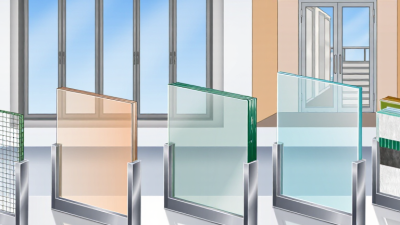
Laminated fire-rated glass uses heat-reactive interlayers. During a fire, these layers expand and form an opaque insulating barrier. It works well in glazed walls, stair enclosures, doors, and larger vision areas. Some systems provide integrity only. Others also limit heat transfer. That distinction matters. Insulated fire-resistant units combine multiple panes, specialized cavities, and protective interlayers. They are useful where escape routes need protection or nearby materials must remain cooler. Performance depends on the complete assembly, including frames, seals, setting blocks, and hardware.

Reliable buyers should request independent test reports and installation instructions. Check the rated duration, glazing orientation, dimensions, and temperature limits. Ask whether the evidence covers the exact frame and joint design. Small substitutions can change performance. Damaged edges and incorrect gaskets are easy to overlook. Even experienced teams can miss them. A clear specification may still be incomplete. Project conditions, local requirements, and qualified inspection should guide the final selection.

Top Fire-Rated Glass Manufacturers: What Buyers Need to Know?

Main Types of Fire-Rated Glass and Their Applications

The chart shows representative fire-rating ranges commonly specified for major fire-rated glass types. Ceramic glass is frequently selected for higher-duration partitions and façades, while intumescent laminated and gel-filled systems are commonly used in doors, walls, screens, and interior glazing. Wired glass is generally associated with lower-duration vision panels and legacy applications.

Ratings are shown in minutes and depend on the complete tested glazing assembly, framing system, installation method, and applicable standard. Typical classifications include 30, 60, 90, and 120 minutes under standards such as EN 13501-2 and ASTM fire-resistance test procedures.

How to Compare Product Quality, Testing, and Certifications

When comparing fire-rated glass, start with tested performance, not appearance or marketing language. NFPA’s Fire Loss in the United States During 2023 recorded about 1.39 million fires and $22.2 billion in direct property damage. That scale makes verification practical, not optional. Ask for the complete test report, including glass thickness, framing system, dimensions, temperature exposure, and hose-stream results. A product tested only as glass may not perform identically inside a door, curtain wall, or partition.

Check whether the assembly was evaluated under recognized methods such as ASTM E119, ASTM E2074, or UL 10C, depending on the intended application. Confirm the rating: integrity-only glass limits flames and smoke, while an insulation rating also restricts heat transfer. Certification should identify the exact construction, approved sizes, glazing materials, and installation limits. Generic certificates deserve caution. They often hide important conditions.

In practice, I compare factory quality records, traceable batch numbers, edge markings, and independent surveillance evidence. Ask how defects, delamination, seal failure, and replacement parts are controlled. The National Glass Association’s technical guidance emphasizes that framing, glazing compounds, and installation details affect the tested assembly. That point is easy to underestimate. I have seen buyers focus on a “120-minute” label while overlooking the frame. Paperwork helps, but it is not proof of field performance. A careful review should challenge both the supplier and the buyer’s assumptions.

What Buyers Should Check Before Choosing a Manufacturer

Top Fire Rated Glass Manufacturers: What Buyers Need to Know

Choosing a fire-rated glass manufacturer requires more than comparing prices. Ask for current third-party test reports, product listings, and certification records. Confirm the tested wall, frame, sealant, and glazing method. A glass panel may perform well alone but fail within an untested assembly. NFPA’s Fire Loss in the United States During 2023 reported about 1.39 million fires and approximately $22.3 billion in direct property damage. These figures show why documentation deserves careful attention.

Check the exact fire rating, visible-light performance, maximum dimensions, and safety classification. Request samples with batch numbers and traceability details. Ask how the factory controls thickness, interlayer quality, edge finishing, and final inspection. A serious manufacturer should explain test limitations clearly, not promise universal performance. Delivery capacity also matters. Confirm production lead times, replacement procedures, packaging standards, and technical support for installers. I have seen attractive specifications create problems when project drawings changed late. That weakness is easy to overlook.

Tips: Compare test evidence, not marketing language. Verify reports with the issuing laboratory. Ask whether the proposed frame matches the tested system. Review installation instructions before ordering. Keep one approved sample and every document in the project file. If answers remain vague, pause the purchase. A low price is not useful when missing records cause redesigns, delays, or rejected inspections. Even experienced buyers can miss small compatibility details. That is worth admitting.