What is Fire Rated Glazing and Why is it Important?
Fire rated glazing plays a crucial role in fire safety, serving as a barrier that limits the spread of flames and smoke. According to the National Fire Protection Association (NFPA), improper fire compartmentalization can lead to significant loss of life and property. The importance of fire rated glazing cannot be overstated, especially in commercial buildings where safety regulations are stringent.
Industry expert Dr. William Harrison emphasizes this point, stating, "The integration of fire rated glazing is essential for effective fire protection strategies." His insights remind us that the design and material choices in construction impact overall safety. In 2021, a report by the International Code Council noted that around 60% of building fires start in non-compartmentalized areas, underscoring the need for fire rated solutions.
Moreover, there is an evolving focus on aesthetic appeal in fire rated glazing. Architects seek to balance safety and design. Some projects reportedly struggle to find innovative materials that meet both standards. Continuous research and development in this field are vital. They could help address these gaps and improve overall building safety. As we explore fire rated glazing, we must reflect on its critical role in safeguarding lives.

What is Fire Rated Glazing and its Function in Building Safety
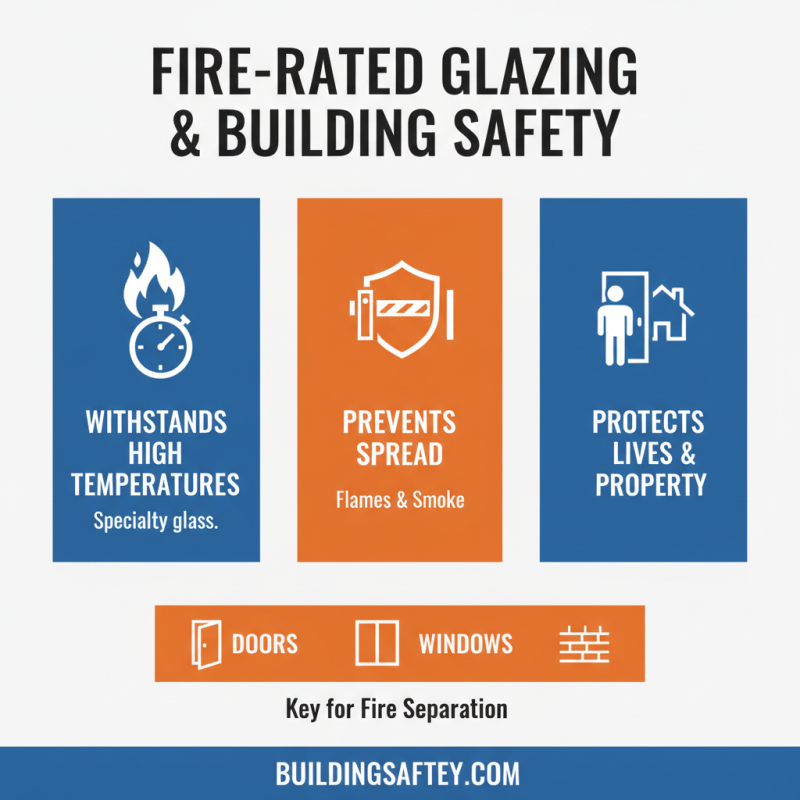
Fire-rated glazing is a crucial element in building safety. It refers to specially designed glass that can withstand high temperatures during a fire. This type of glazing plays a key role in preventing the spread of flames and smoke. As a result, it protects both occupants and property. Fire-rated glazing is typically used in doors, windows, and walls that require fire separation.
When installing fire-rated glazing, consider the fire resistance rating. Ratings vary based on the material and thickness of the glass. It’s essential to assess the specific needs of your building. Proper installation is also vital. Any gaps or improper fittings can reduce the effectiveness of fire barriers. Always consult with fire safety professionals.
Tips: Regular maintenance is important. Check for cracks or damage in the glazing. Even minor breaches can compromise safety. Also, stay updated on local building codes. Knowledge of requirements helps ensure compliance. When in doubt, seek expert advice. Fire-rated glazing can be complex, so thorough research pays off.
The Importance of Fire Rated Glazing in Fire Resistance Ratings
Fire rated glazing plays a crucial role in fire resistance ratings, offering a transparent barrier that can withstand the intense heat of a fire. When selecting fire rated glazing, understanding its importance is vital. These specialized glass products are designed to protect both lives and properties during a fire. They prevent the spread of flames and smoke, allowing additional time for occupants to escape.
Incorporating fire rated glazing into building designs enhances overall safety. It’s important to note that not all glazing products provide the same level of protection. Testing and certification are essential parts of ensuring reliability. Despite its advantages, many designs still overlook this critical element. This oversight can lead to vulnerabilities in safety plans during emergencies.
Choosing the right fire rated glazing requires careful consideration. Local building codes often dictate the fire resistance ratings needed for various structures. Awareness of these regulations is fundamental. However, the complexity of codes and varying product standards can confuse builders. Evaluating all options thoroughly helps mitigate risks and uphold safety standards within buildings.
Industry Standards and Testing Methods for Fire Rated Glazing
Fire rated glazing is a critical component in modern building safety. Understanding the industry standards and testing methods is essential for architects and builders. Fire rated glass must meet strict criteria to ensure it can withstand high temperatures and prevent the spread of flames. The National Fire Protection Association (NFPA) and International Building Code (IBC) set out specific guidelines for these materials. These standards determine the acceptable performance levels for fire resistance.
Testing methods are varied and rigorous. The ASTM E119 is a primary test that measures the ability of glazing to endure fire exposure. It assesses how long the glass can stay intact when faced with specific heat levels. Another important test is the UL 263, which evaluates the integrity and insulation properties of fire rated glass. These tests ensure compliance with safety regulations. However, inconsistencies in testing processes can lead to misunderstandings regarding a product's capabilities.
Choosing the right fire rated glazing involves navigating complex information. It is vital to consult experts who understand local codes and safety requirements. Misinterpretation of these standards can lead to oversights. Ensuring proper installation and ongoing maintenance is equally important. Ultimately, the reliability of fire rated glazing hinges on understanding and adhering to established industry practices.
Applications of Fire Rated Glazing in Commercial and Residential Buildings
Fire rated glazing plays a crucial role in both commercial and residential buildings. It is designed to withstand high temperatures and prevent the spread of flames and smoke. This feature is vital for safety during emergencies. According to industry reports, fire-rated glazing can increase the time occupants have to evacuate by 30 minutes or more.
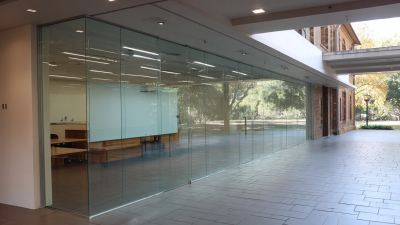
In commercial spaces, fire rated glazing is often used in corridors, stairwells, and exit doors. This helps create safe paths for evacuating people. In residential buildings, it can be crucial in multi-family dwellings, preventing fire from spreading between units. Over 70% of fire fatalities occur in residential settings. Thus, incorporating fire rated materials can significantly enhance safety.
While many buildings utilize standard glazing, some may overlook the need for fire rated options. This could lead to increased risk during a fire outbreak. Regular inspections and assessments are needed to ensure compliance with safety standards. As an industry report suggested, fewer than 50% of buildings pass safety inspections in regards to fire rated materials. Exploring fire rated glazing is essential for enhancing overall building safety.
Impact of Fire Rated Glazing on Code Compliance and Insurance Requirements
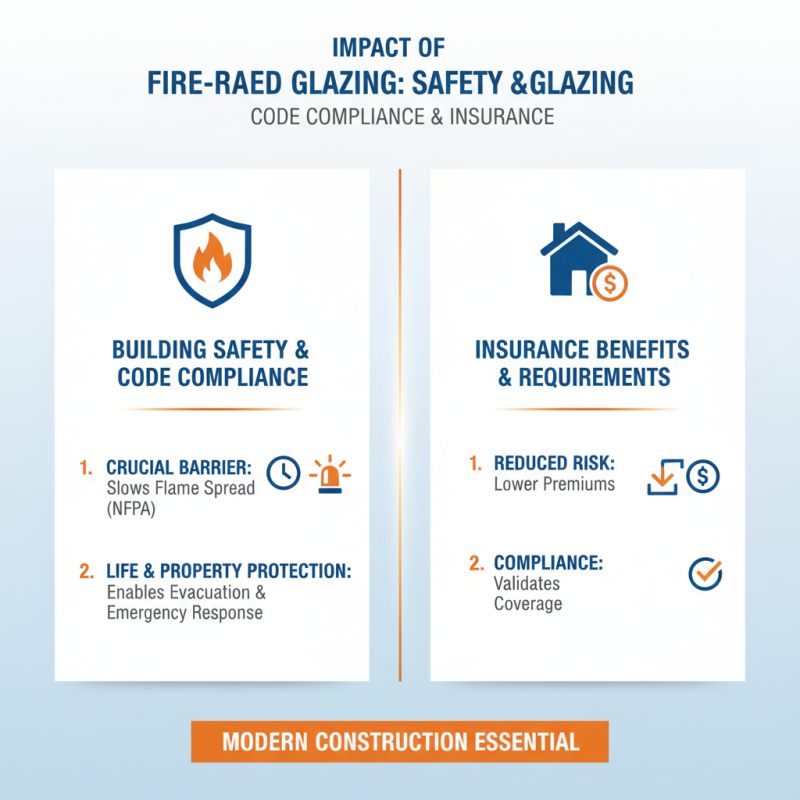
Fire rated glazing is crucial for modern building safety. It serves as a barrier during a fire, protecting lives and property. According to the National Fire Protection Association (NFPA), fire-rated glass can slow down the spread of flames for critical minutes. This delay can be vital for occupant evacuation and for emergency services to respond.
When it comes to code compliance, fire rated glazing is often required in specific areas of buildings. The International Building Code (IBC) mandates these installations in certain corridors and exits. Compliance with local codes is essential for both safety and insurance. Insurers may recognize fire rated glazing as a means of risk reduction. Buildings with compliant fire rated systems can benefit from lower insurance premiums, as they are perceived as less risky.
However, many building owners overlook the importance of proper installation. Incorrect installation can compromise the effectiveness of fire rated glazing. Regular inspections are necessary to maintain compliance. The NFPA notes that around 30% of fire-rated assemblies fail to meet code due to improper installation or maintenance. This highlights the need for ongoing education and adherence to safety standards in the industry.