How to Choose Fire Rated Glass for Your Projects in 2026?
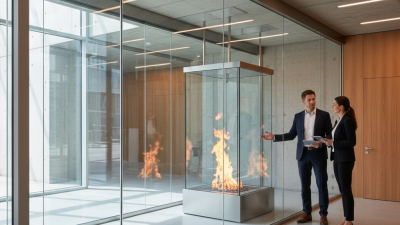
Choosing the right fire rated glass is crucial for safety and compliance in any building project. In 2026, the options available may evolve further, presenting new challenges and opportunities. Fire rated glass is not just a product; it’s a critical component of fire safety systems. It helps prevent the spread of flames and smoke, protecting lives and property.
Understanding the different types of fire rated glass is essential. Each type offers varying degrees of protection and aesthetic appeal. Some products might claim high ratings but lack thorough testing or certification. Choosing certified fire rated glass can enhance safety, but it requires careful consideration of project needs.
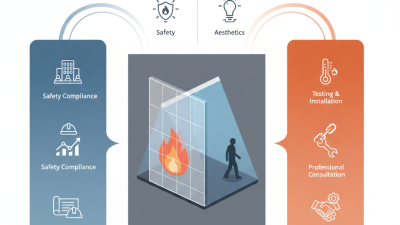
Many professionals may underestimate the importance of proper installation. Installation errors can compromise the effectiveness of fire rated glass. Each project is unique, and consulting with experts can provide insights that significantly impact long-term safety. Key aspects should include understanding local building codes and regulations. Always ensure that your choice aligns with fire safety standards.
Overview of Fire Rated Glass: Definition and Importance
Fire-rated glass is a critical component in modern construction, ensuring safety in commercial and residential spaces. Its primary function is to contain fire while maintaining visibility. According to the National Fire Protection Association (NFPA), nearly 50% of fire-related deaths result from smoke inhalation. This highlights the importance of fire-rated glass in providing clearer escape routes during emergencies.
When selecting fire-rated glass, understanding its classifications is essential. Glass products are rated based on their ability to resist heat and smoke. For example, a 20-minute rating indicates that the glass can withstand fire for at least that time without failing. Reports show that building codes are increasingly mandating the use of fire-rated glass in high-risk areas, such as stairwells and exits. This trend reflects a growing awareness of fire safety.
However, there are challenges in choosing the right type. The variety of fire-rated glass options can be confusing. Some may not meet local regulations, while others may not perform as expected under certain conditions. It’s vital to consult fire safety experts and review the latest reports from institutions like ASTM International to ensure compliance and reliability. Investing time in research can lead to better safety outcomes in your projects.
Fire Rated Glass Specifications and Usage Trends in 2026
Types of Fire Rated Glass: Characteristics and Applications
When selecting fire rated glass, understanding its types and characteristics is essential for your projects. Fire rated glass comes in various forms, each designed for specific applications.
Tempered glass, for instance, is heat-treated for strength. Its ability to withstand temperature fluctuations makes it suitable for commercial buildings.
Laminated glass is another type; it combines layers of glass for enhanced safety and sound reduction. This type is ideal for installations where security and fire protection are both priorities.
Different applications demand different features in fire rated glass. Fire resistive glass is crucial in areas like stairwells or elevator shafts. It provides a barrier against flames and heat while allowing visibility.
On the other hand, fire protection glass is used in place of regular glazing. This type acts as a thermal barrier and is essential in any building designed to withstand fire for extended periods.
It’s important to choose wisely based on where the glass will be installed.
Consider your project's specific needs when selecting the type of fire rated glass. Assess factors such as location, building codes, and aesthetic requirements. Reflect on the balance between safety and design.
Evaluating these elements can help ensure you make an informed choice.
Adapting to trends may lead to innovative solutions. Keep learning and stay updated on advancements in fire rated glass technology to optimize your decisions.
Key Standards and Regulations for Fire Rated Glass in 2026
Selecting fire rated glass for construction projects in 2026 requires a keen understanding of the latest standards and regulations. The National Fire Protection Association (NFPA) and the American National Standards Institute (ANSI) continue to set crucial guidelines. According to a 2023 market report, more than 45% of fire-related injuries occur in commercial buildings. Proper adherence to these standards is vital for enhancing safety.
In 2026, the fire safety codes will likely emphasize performance under real conditions. The performance ratings are primarily categorized by duration, such as 20, 45, or 60 minutes. Recent data shows that nearly 30% of failures in fire rated glass testing are linked to improper installation. Ensuring compliance requires not just selecting the right material but also engaging certified professionals for installation.
Moreover, building codes may evolve to require third-party testing for new products. A report by a leading glass industry association suggests that 60% of project delays stem from non-compliance issues. It highlights the importance of keeping informed about regional building codes. Designers and contractors must assess local regulations constantly, as these can impact not only timelines but also overall project safety. Understanding these aspects can significantly influence project outcomes.
Factors to Consider When Selecting Fire Rated Glass for Projects
When selecting fire-rated glass for your projects in 2026, several key factors should be considered. One crucial aspect is the fire-resistance rating, which is often measured in hours. The National Fire Protection Association (NFPA) reports that a one-hour rating is becoming increasingly standard for many commercial buildings. This means the glass can withstand fire for at least 60 minutes, providing essential time for safe evacuations.
Another factor is the impact resistance. Fire-rated glass must endure not only heat but also physical impacts. According to industry experts, the glass should pass tests such as those outlined in ASTM E2010, which measures how materials perform under stress. Choosing glass that meets or exceeds these standards is vital for ensuring safety and compliance.
Consider aesthetics as well. Fire-rated glass doesn't have to compromise design. Clear or tinted options can integrate seamlessly into various architectural styles. However, be aware that not all decorative options will meet fire-rating standards. Always consult with a qualified professional to ensure your choices align with safety regulations and project needs. Here are some important considerations: check for certification, verify manufacturer claims, and explore different installations. Understanding the nuances can lead to better decision-making in your fire-rated glass selection.
How to Choose Fire Rated Glass for Your Projects in 2026? - Factors to Consider When Selecting Fire Rated Glass for Projects
| Factor |
Description |
Rating (1-5) |
| Fire Resistance Level |
Determine the necessary fire resistance rating based on building codes and safety regulations. |
5 |
| Glass Type |
Choose between tempered, laminated, or ceramic glazing based on performance needs and aesthetics. |
4 |
| Compliance with Codes |
Ensure compliance with local building codes and regulations for fire-rated materials. |
5 |
| Installation Requirements |
Understand the installation process and the need for professional installation to maintain fire safety standards. |
4 |
| Cost |
Evaluate budget constraints and overall lifecycle costs of fire-rated glass solutions. |
3 |
| Aesthetic Compatibility |
Consider how fire-rated glass will integrate with the building's design and overall aesthetic. |
4 |
Future Trends in Fire Rated Glass Technology and Design
In 2026, fire rated glass will evolve significantly, driven by advancements in technology and design. A recent report from the Glass Association indicates that the market for fire rated glass is projected to grow by 8% annually. This rise will see an increased focus on energy efficiency and aesthetic appeal. Designers are now seeking solutions that not only meet safety standards but also enhance the visual aspects of buildings.
Selecting the right fire rated glass involves understanding classifications and ratings. Current standards categorize glass into various performance levels, such as E, EW, and EI ratings. Each category serves different applications, from partitions to external facades. It's essential to consult reliable sources about these classifications to ensure compliance with safety regulations.
Incorporating fire rated glass into building designs can be complex. Designers should consider the installation environment, potential exposure to impacts, and temperature fluctuations. The future will likely bring lightweight, clear glass options with improved thermal resistance. This may influence decision-making on architectural elements.
When planning your project, focus on integrating fire rated glass with renewable energy solutions. Look for designs that allow maximum daylight while ensuring safety. Collaborate closely with architects and glass manufacturers to explore innovative solutions. Balancing safety and style in your projects is crucial for success in the evolving landscape of fire rated glass technology.