10 Essential Tips for Choosing Fire Rated Glass Panels

In today's world, safety and design go hand in hand, especially when it comes to fire rated glass panels. Expert John Anderson, a leader in fire safety solutions, emphasizes, "Choosing the right fire rated glass panel can save lives and property." This highlights the significant role these panels play in fire protection.

Fire rated glass panels not only enhance aesthetic appeal but also meet strict safety standards. They help contain fires and prevent the spread of smoke. The complexity lies in selecting the correct type to suit specific needs. The market offers various options, each with its own fire rating. Ignoring these nuances could result in inadequate safety measures.

It's vital to consider factors like thickness, clarity, and installation methods. These elements affect both performance and appearance. A hasty decision can lead to costly mistakes later. Evaluating all aspects ensures the right choice, balancing safety and design. Ultimately, informed selections make for safer environments.
10 Essential Tips for Choosing Fire Rated Glass Panels

Understanding Fire Rated Glass Panels: Key Features and Benefits
10 Essential Tips for Choosing Fire Rated Glass Panels

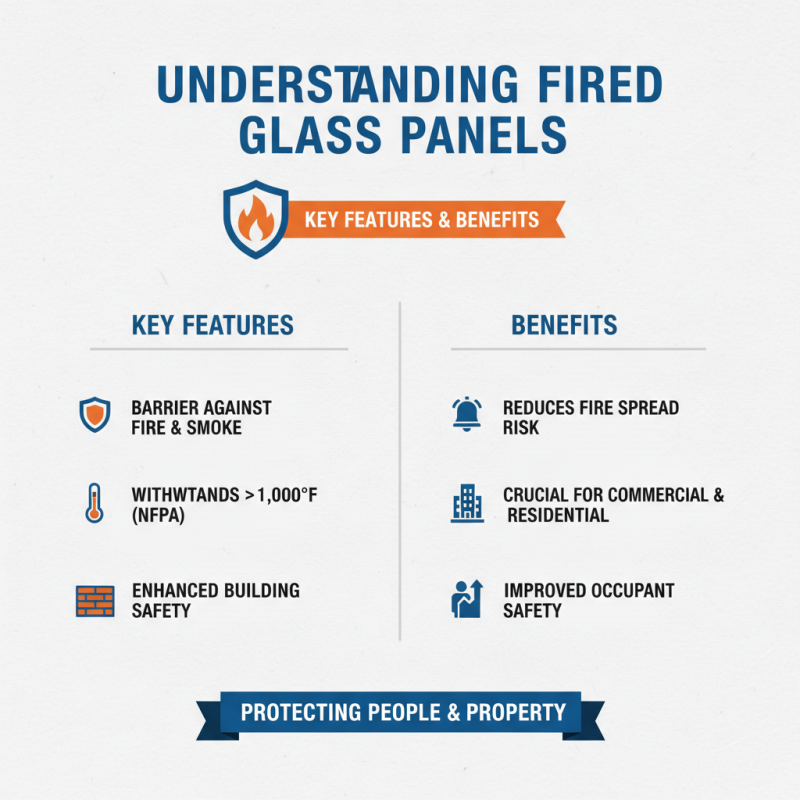
Fire rated glass panels play a crucial role in enhancing safety standards within a building. These panels provide an effective barrier against fire and smoke, significantly reducing the risk of fire spread. According to the National Fire Protection Association (NFPA), fire rated glass can withstand temperatures exceeding 1,000 degrees Fahrenheit, making it a vital component for commercial and residential structures.

When selecting fire rated glass panels, understanding their key features is essential. Thickness, for instance, directly impacts fire resistance. Generally, thicker panels offer better protection. Manufacturers often specify ratings, such as 20, 45, 60, or 90 minutes, depending on the level of fire resistance required. For example, a 60-minute rating means the glass can endure fire exposure for one hour.

Tip: Always assess the specific requirements for your project. Building codes vary, and consulting local regulations can prevent non-compliance.

Moreover, the benefits of fire rated glass extend beyond safety. It allows for natural light without compromising security. Spaces remain lit and welcoming, even during emergencies.

Tip: Evaluate your design needs. The aesthetic appeal of fire rated glass should align with overall architectural plans.

Given these factors, making an informed choice becomes crucial. Understand your unique needs and prioritize safety features while maintaining design integrity.
Different Types of Fire Rated Glass: What You Need to Know

10 Essential Tips for Choosing Fire Rated Glass Panels

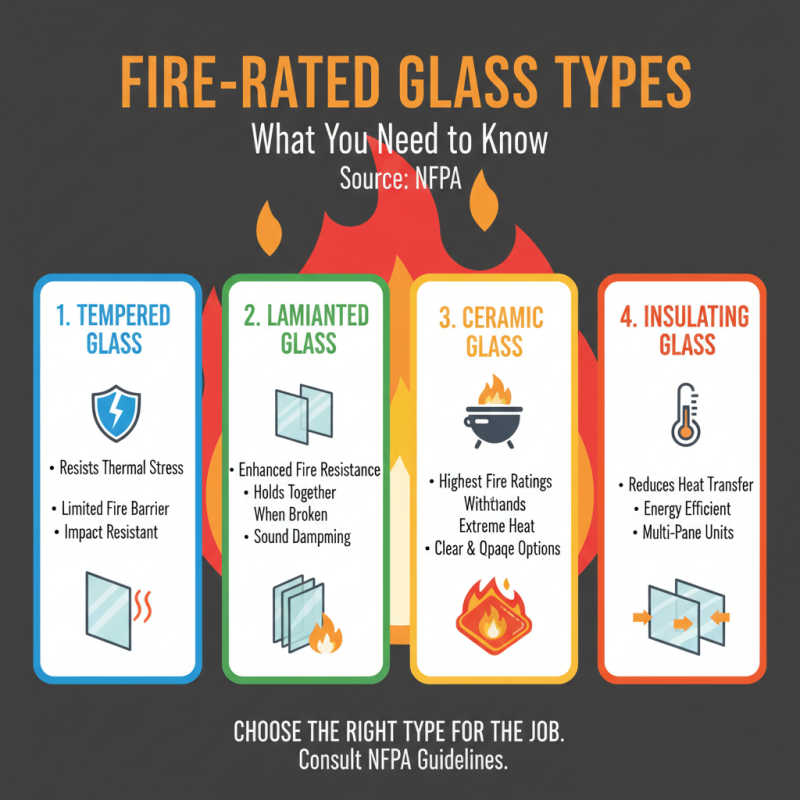
When choosing fire rated glass, understanding different types is crucial. Fire rated glass can generally be categorized into four types: tempered, laminated, ceramic, and insulating glass. Each serves unique purposes. According to the National Fire Protection Association (NFPA), these specifications vary by intended use and fire resistance ratings. For example, tempered glass handles thermal stress well but offers limited fire resistance compared to laminated types.

Laminated fire rated glass integrates multiple layers, providing enhanced protection. The interlayer ensures bond integrity, maintaining its properties under heat stress. Studies show that buildings utilizing laminated glass can achieve up to 60 minutes of fire resistance. However, the fire-rated performance may diminish if the glass is not properly installed or maintained.

Ceramic glass, known for its high heat resistance, is often utilized in critical separation zones. Though effective, it can be heavier and more expensive. Insulating glass combines layers of space, providing thermal insulation alongside fire protection. According to industry reports, this hybrid option is becoming popular due to its dual functionality. Still, ensuring compliance with local building codes remains vital, as variations can lead to significant risks.

Evaluating Fire Resistance Ratings: How to Choose the Right Rating

When selecting fire rated glass panels, understanding fire resistance ratings is crucial. These ratings determine how long a glass panel can withstand flames and heat. Various standards exist, typically classified by hours of resistance—30, 60, 90, or 120 minutes. Each rating correlates with fire safety regulations in specific settings, including commercial buildings or residential areas.

It is essential to evaluate your project's unique needs. Consider the building's use and the potential fire hazards present. A glass panel with a higher rating may be necessary for areas at greater risk. However, this can lead to higher costs and may not always be necessary for less risky environments. Reflection on these factors can lead to a more informed decision.

Furthermore, consulting with fire safety professionals can enhance your understanding of ratings. They provide insights based on regulations and best practices. However, it's also essential to balance expert advice with your budget and design goals. Finding the right fire rated glass panel is not just about meeting codes; it’s about ensuring safety while aligning with your vision. Take time to rethink your choices; the right panel is one that truly fits your project.

10 Essential Tips for Choosing Fire Rated Glass Panels

Tip Description Fire Resistance Rating (Hours) Application
1. Understand Ratings Familiarize yourself with various fire resistance ratings and their significance. 1-2 hours Interior Partitions
2. Compliance Standards Ensure products comply with local building codes and standards. 3-4 hours Commercial Buildings
3. Frame Material Select an appropriate frame material that complements fire rated glass. 1 hour Office Spaces
4. Glass Thickness Consider the thickness of the glass for enhanced durability and fire resistance. 2 hours High-Risk Areas
5. Impact Resistance Evaluate the impact resistance of glass to withstand accidental damage. 1 hour Entryways
6. Aesthetics Choose a design that complements your space while maintaining safety. 1-2 hours Retail Environments
7. Installation Hire certified professionals for proper installation of fire rated glass. 3 hours Any Setting
8. Maintenance Implement regular maintenance checks to keep systems functional. Varies All Applications
9. Cost Considerations Balance quality and cost for the desired fire rated glass. 1-2 hours Residential Areas
10. Review Manufacturer’s Support Look for manufacturers that offer technical support and warranty. 1-3 hours Commercial and Industrial Use

Regulatory Standards: Compliance Requirements for Fire Rated Glass

When selecting fire-rated glass panels, understanding regulatory standards is vital. Compliance requirements can vary significantly based on location and building type. Always check local building codes and fire safety regulations. These documents outline the minimum performance criteria for fire-rated glass installations.

Different categories exist for fire-rated glass, including those rated for safety and thermal protection. Fire-resistance ratings indicate how long a panel can withstand flames and heat. For instance, a one-hour rating means the panel can hold up against fire threats for up to 60 minutes. It's critical to ensure that the glass you choose meets these specifications.

Moreover, not all fire-rated glass is created equal. Some panels might not pass certain tests, leading to potential safety hazards. Consulting with a fire safety expert can be beneficial. They can help you navigate complexities and ensure compliance with regulations. This proactive approach is crucial for safeguarding lives and properties.

Installation Considerations: Best Practices for Fire Rated Glass Panels

When installing fire-rated glass panels, attention to detail is crucial. Proper installation can significantly impact their effectiveness. A survey from the National Fire Protection Association (NFPA) indicates that improper installation accounts for 30% of fire safety failures. Ensuring that installation meets industry standards is essential for optimal performance.

Using the correct framing and sealing materials is vital. The glass must fit snugly within the frame to prevent smoke and flames from escaping. A study from the Fire Protection Research Foundation shows that poorly sealed installations can lead to a 40% reduction in the glass's fire resistance. Therefore, utilize high-quality sealing compounds that are tested for fire resistance.

Regular inspections can help maintain the functionality of fire-rated glass. Over time, factors such as humidity and temperature fluctuations can affect seals and frame integrity. The Glass Association of North America recommends routine checks to ensure that any visible damage or degradation is addressed promptly. Skipping these inspections can lead to increased risk during an emergency.