2026 How to Choose Effective Passive Fire Protection Solutions?
In an era where safety standards are constantly evolving, selecting the right passive fire protection solutions is crucial. Passive fire protection refers to systems designed to contain fires and prevent their spread. This approach emphasizes the importance of fire-resistant materials and proper construction techniques. Knowledge of these systems can significantly enhance building safety.
Every building is different, which complicates the choice of passive fire protection measures. Factors like building size, occupancy type, and local regulations must be considered. For example, a high-rise office building requires distinct strategies compared to a residential home. Understanding these nuances is vital for effective implementation.
Moreover, not all solutions are created equal. Some products may not perform as advertised. Research and professional advice become essential in this decision-making process. It’s about finding a balance between cost and effectiveness. Reflecting on past incidents can illuminate areas where choices may fall short. With careful consideration, we can make informed decisions to enhance safety through passive fire protection.
Understanding Passive Fire Protection: Key Concepts and Importance
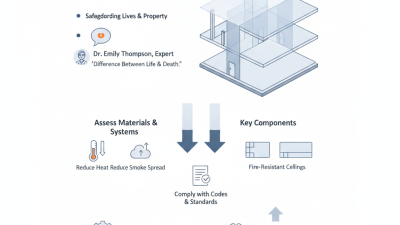
Passive fire protection is essential in building safety. It involves methods that contain fires or slow their spread. Key concepts include fire barriers, fire doors, and fire-resistant materials. These solutions are integrated into the structure. They reduce risks and save lives during a fire.
Understanding the importance of passive fire protection can prevent catastrophic outcomes. It plays a crucial role in building design. Many architects and engineers now prioritize it. Yet, some still overlook these critical components. This can lead to severe vulnerabilities.
Effective installation is vital. Knowledgeable professionals should assess and implement these systems. Regular maintenance and inspections are essential too. This ensures fire protection remains reliable. Awareness in the community can further enhance safety. What good is a system if people aren’t informed about it? Ongoing education is necessary for everyone involved.
2026 How to Choose Effective Passive Fire Protection Solutions?
| Fire Protection Solution |
Key Features |
Installation Requirements |
Cost (per sq ft) |
Maintenance Frequency |
| Fire-Resistant Walls |
High thermal resistance, sound insulation |
Requires proper framing and seals |
$20 - $40 |
Every 5 years |
| Fire Doors |
Self-closing, rated for fire resistance |
Standard door frame setup |
$50 - $150 |
Annual inspection |
| Fire-Stop Systems |
Seals openings to prevent fire spread |
Installed in walls, floors, or ceilings |
$10 - $30 |
Every 2 years |
| Fire-Rated Ceilings |
Durable, withstanding high temperatures |
Must comply with local codes |
$15 - $35 |
Every 5 years |
| Intumescent Coatings |
Expands when heated, insulating materials |
Requires professional application |
$3 - $10 |
Every 3 years |
Identifying Your Building's Fire Risks and Requirements
Identifying fire risks in a building is crucial. Assessing the layout, materials, and occupancy helps pinpoint vulnerable areas. Look for flammable materials, electrical hazards, and potential ignition sources. These elements often contribute to the likelihood of a fire. It’s vital to inspect the building regularly to stay ahead of potential threats.
Understanding fire requirements is equally important. Local building codes and regulations dictate the type and extent of fire protection needed. Each structure may have unique needs based on its use and design. For instance, a high-rise office building faces different risks than a residential building. Engaging experts familiar with fire safety standards can enhance your approach.
A weak link in fire safety planning can lead to disaster. It makes sense to reflect on past incidents in similar buildings. Learning from such events can direct your strategy. Take the time to evaluate what solutions might not have worked. Continuous improvement is vital in building a reliable fire protection system.
Evaluating Types of Passive Fire Protection Systems Available
When selecting passive fire protection systems, it's crucial to evaluate the various types available. Common options include fire-resistant walls, ceilings, and doors. These elements work to contain fire and smoke, slowing their spread. The National Fire Protection Association (NFPA) reports that proper use of these systems can reduce fire damage by up to 50%. However, many buildings still do not meet the necessary standards.
Intumescent coatings represent another option. These coatings expand when exposed to heat, protecting structural elements. Their effectiveness can be influenced by environmental conditions. A study by the American Society for Testing and Materials (ASTM) highlighted that coatings must be tested under real-world conditions to ensure reliability. Regular maintenance and inspections remain vital, yet many properties neglect this aspect.
Moreover, fire stopping systems play a significant role. They seal openings in fire-rated assemblies, preventing smoke and flames from traveling. The International Code Council (ICC) recommends integrating these systems during initial construction. Despite this, many installations lack proper documentation, leading to potential risks. Building owners must remain vigilant about compliance and performance standards in order to maintain safety.
Factors to Consider When Selecting Fire-Resistant Materials
When selecting fire-resistant materials, several factors play a crucial role. One key consideration is the material's fire rating. This rating indicates how long a product can withstand fire exposure. A higher rating often means greater protection. Materials like gypsum board or concrete block can provide effective barriers against flames. However, cost and aesthetics should also be weighed.
Another factor is the environmental impact. Sustainable materials are becoming more popular. They not only serve safety purposes but also promote eco-friendliness. Conducting a lifecycle analysis can help in assessing their long-term viability. Sometimes, materials with less fire resistance may offer environmental benefits, creating a tricky balance.
Compatibility with existing systems also matters. New materials should seamlessly integrate with fire protection systems already in place. Misalignment can lead to vulnerabilities. Regular assessments and updates to building codes are essential. Fire protection should evolve with technology and new materials.
Integrating Passive Fire Protection with Building Design and Codes
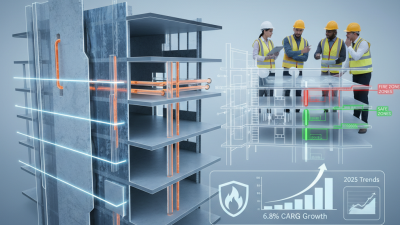
Integrating passive fire protection (PFP) with building design is crucial for effective fire safety. Recent reports indicate that nearly 80% of fire-related fatalities occur in structures lacking adequate PFP measures. Designers must consider how fire-resistant materials interact with structural components. These materials should not only resist flames but also limit smoke spread.
Building codes play a critical role in defining PFP requirements. According to the National Fire Protection Association (NFPA), compliance with these codes can reduce fire damage by up to 60%. Architects need to stay updated on local codes to ensure designs meet safety standards. This involves a thorough understanding of fire barriers, compartmentation, and fire-resistive materials.
Yet, challenges persist. Many designs fail to adequately integrate PFP due to oversight or budget constraints. It’s essential to engage fire safety experts early in the design process. Collaboration can help identify vulnerabilities and improve overall safety. A proactive approach can result in structures that not only meet regulations but also protect lives.