China Best Fire Rated Glazing Manufacturers for Global Buyers
Choosing fire rated glazing for an international project takes more than comparing glass thickness or quoted prices. Buyers must examine the complete assembly: glazing, framing, seals, fixings, and installation details. A clear pane can look reassuring. Yet its performance depends on how every component works together during a fire.
Fire-protection engineer James A. Milke’s published work informs this practical, paraphrased takeaway: “Evaluate the tested opening as a complete system, not as glass alone.” That distinction matters when reviewing manufacturers. Ask for test reports that match the proposed configuration, product documentation, and clear guidance on approved sizes and hardware. Check whether the supplier can explain limitations plainly, not just showcase impressive photographs. Details matter.
This guide introduces China-based manufacturers for global buyers, with attention to product scope, technical support, production capabilities, and export experience. It is a starting point, not a substitute for project-specific review. Requirements and accepted test evidence can differ by market and building application, so buyers should confirm suitability with qualified local professionals. The comparison is imperfect; public information may not reveal every factory or project detail. A careful conversation often reveals more than a polished brochure.
What Fire-Rated Glazing Is and How It Works
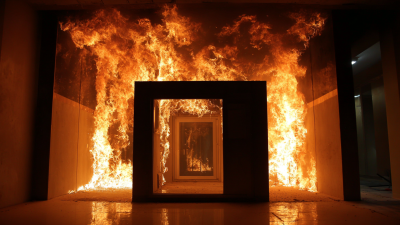
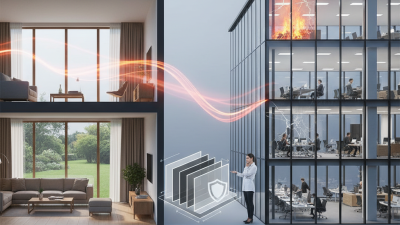
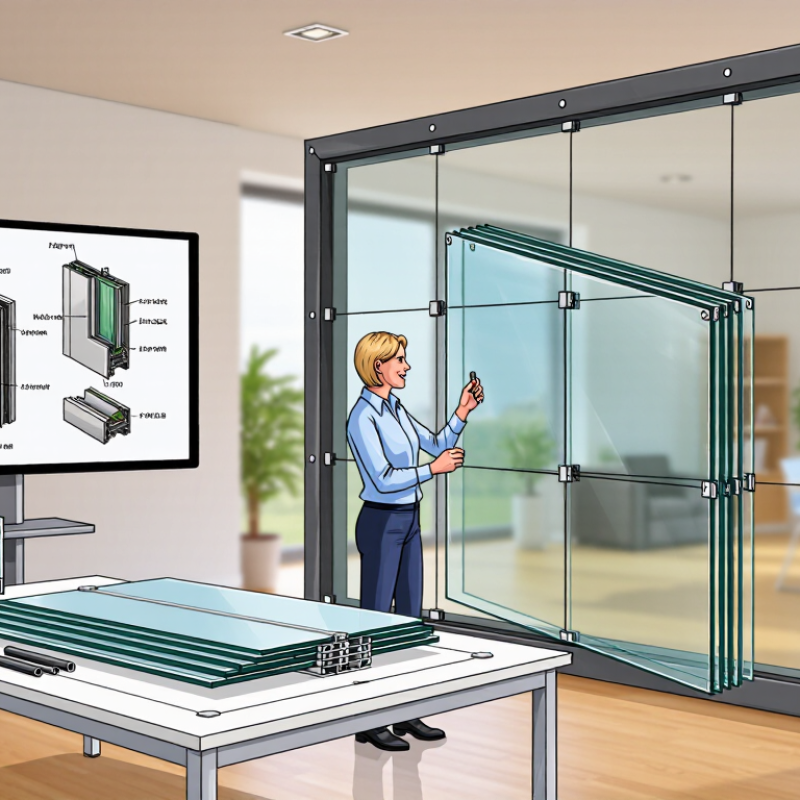
Fire-rated glazing is a tested building system, not ordinary glass with a special label. It combines purpose-made glass with compatible framing, seals, and fixings. During a fire, the assembly is designed to resist flames and hot gases for a stated period. Some products also limit heat transfer; others mainly maintain integrity. That difference matters.
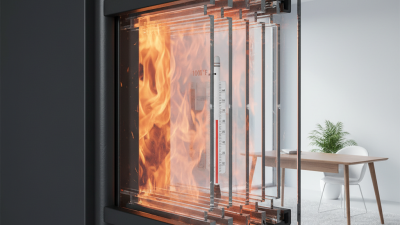
Some intumescent products contain clear interlayers that swell when heated, forming an insulating, opaque barrier. The change can look dramatic. The frame and perimeter seals matter just as much: a small gap can let smoke or flame pass. Ratings apply to specific configurations, including glass thickness, support, dimensions, and installation details. Changing one component may affect performance.
For global projects, compare test evidence with the actual opening and required performance, rather than relying on a short product description. Check whether the rating covers integrity, insulation, or both, and confirm applicable test methods with the project’s fire-safety professional. It is tempting to assume all fire-rated glass behaves alike. It does not. Even a suitable specification can be weakened by poor installation, so inspect joint widths and seal continuity before the frame is concealed.
Key Fire-Rating Standards for Glazing Products
Key Fire-Rating Standards for Glazing Products
Fire-rated glazing is tested as part of an assembly, not as an isolated sheet of glass. NFPA 257 covers fire tests for window and glass-block assemblies in the United States. ASTM E119 and UL 263 assess fire resistance of building assemblies, while EN 1364-1 addresses non-loadbearing walls in Europe. These methods differ, so a rating from one test should not be assumed to meet another standard.
Look beyond the number of minutes. Under EN 13501-2, E indicates integrity, I indicates insulation, and W limits transmitted radiation. A product rated E60 may resist flame passage for 60 minutes, but it does not necessarily limit heat transfer. The frame, seals, fixings, glass size, and installation details also affect performance. Labels matter.
The stakes are practical. NFPA’s 2023 U.S. fire-loss report estimated 1.39 million fires and about $23.2 billion in direct property damage. For buyers, the useful evidence is a current test report or classification document covering the specified assembly and dimensions. A certificate alone can feel reassuring; it may still leave gaps if the project’s framing or installation differs from the tested setup. Check the local code and the required test method before comparing suppliers.
Common Types of Fire-Rated Glass and Framing Systems
Fire-rated glazing combines glass, framing, seals, and hardware into a tested assembly. Common glass types include clear ceramic, wired glass, and multi-layer intumescent glass. Ceramic glass can provide a clear view while resisting heat. Intumescent layers expand when exposed to high temperatures, helping limit heat transfer. Wired glass has a visible mesh, so it may not suit every design. Appearance matters, but performance comes first.
Framing systems commonly use steel or specially engineered aluminum profiles. Each frame must match the glass type and the required fire-resistance rating. Gaskets, fixings, and joint details matter too. A small gap can affect the whole assembly. Specifications should be checked against the project’s tested system and local requirements. One detail is easy to overlook: the right glass in an incompatible frame may not deliver the intended protection.
Tips: Confirm the required rating, opening size, and exposure conditions before selecting a system. Check labels and installation documents, and ask how corners, joints, and glazing beads are handled. Clarity and slim profiles are attractive goals, but they can narrow the available options. That trade-off deserves a careful review.
How to Evaluate Chinese Fire-Rated Glazing Manufacturers
A reliable fire-rated glazing supplier should prove that the complete assembly works, not just that the glass passed a test. Ask for reports from an appropriately accredited laboratory and check the tested glass, frame, seals, fixings, size limits, and installation orientation. These details matter. A certificate can look reassuring, yet still leave a gap if the quoted frame or seal differs from the tested system. Confirm that the evidence and approvals apply to the country and building type where the product will be installed.
The NFPA’s Fire Loss in the United States During 2023 report estimated
1,389,000 fires
and
US$23.2 billion in direct property damage.
That is not a glazing-performance measure, but it shows why clear evidence and dependable quality control matter. Ask manufacturers for batch traceability, inspection records, and written procedures for handling production changes.
Request a sample assembly or installation guidance, then compare it with the test documentation.
Not just glass.
Review delivery capacity and replacement-part support too.
A checklist can still miss practical issues, so discuss site tolerances and installation conditions before approving the order.
Steps for Sourcing and Verifying Products for Global Projects
When sourcing fire-rated glazing for an international project, begin with the opening schedule, not a supplier catalogue. Record the required fire-resistance period, dimensions, framing type, exposure conditions, and destination market. These details shape the tested assembly. A glass-only certificate may not cover the frame, seals, or fixings.
Ask each manufacturer for current test reports, classification documents, installation instructions, and product traceability details. Check that the tested build-up matches your specification, including glass thickness, maximum pane size, and supporting materials. Confirm the report’s scope with an independent testing or certification body if anything is unclear. Small differences matter. Check every revision.
Before placing a large order, review a physical sample and arrange a project-specific mock-up where practical. Verify markings, edge quality, packaging, and the stated production lead time. Also confirm how replacement panes can be identified years later. It is easy to focus on the certificate and overlook site handling; that gap can become expensive. Keep written records of clarifications, approved drawings, and delivery inspections, and ask the local project team to confirm that the proposed system meets applicable requirements.
Typical Fire-Resistance Rating Durations for Glazing
Commonly specified fire-resistance durations include 30, 60, 90, and 120 minutes. These are reference durations, not a guarantee that a particular glazing product or assembly is available at every rating. For global projects, verify the tested assembly, applicable certification, installation details, and local code requirements.