What Are the Best Fire Doors With Glass for Buyers?
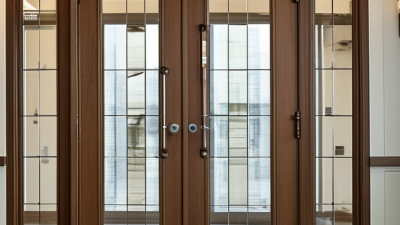
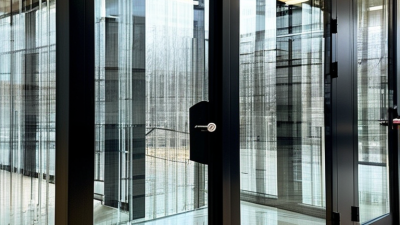
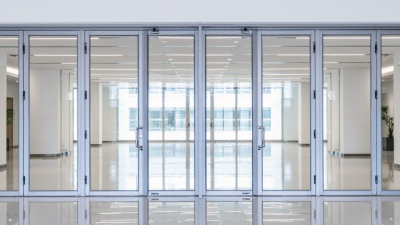
Choosing the best fire doors with glass means balancing fire protection, visibility, durability, and design. A clear panel can brighten a corridor or help staff see approaching occupants, but appearance alone tells buyers very little. The door, glazing, frame, seals, and hardware must be specified and tested as a compatible assembly. Small details matter: a closer that shuts reliably, intact seals around the frame, and glazing suited to the intended rating.
“Treat the door, glass, frame, and hardware as one tested system—not as separate design choices.” This is a practical specification principle, not a verified quotation from a named expert. No source article or expert attribution was provided, so assigning those words to a real person would be misleading.
For buyers comparing fire doors with glass, useful questions start with the actual project: Where will the door be installed? What level of visibility is needed? Which certified configurations meet the building’s requirements? Ask suppliers for current test evidence, installation guidance, and clear maintenance instructions. Check that replacement parts remain compatible. A polished brochure is not enough.
Some choices are less obvious. More glass may improve sightlines, yet it can narrow the range of approved designs. And a low price may look attractive until installation or upkeep is considered. The best option is the one supported by verifiable documentation and suited to the opening—not simply the one with the largest window.
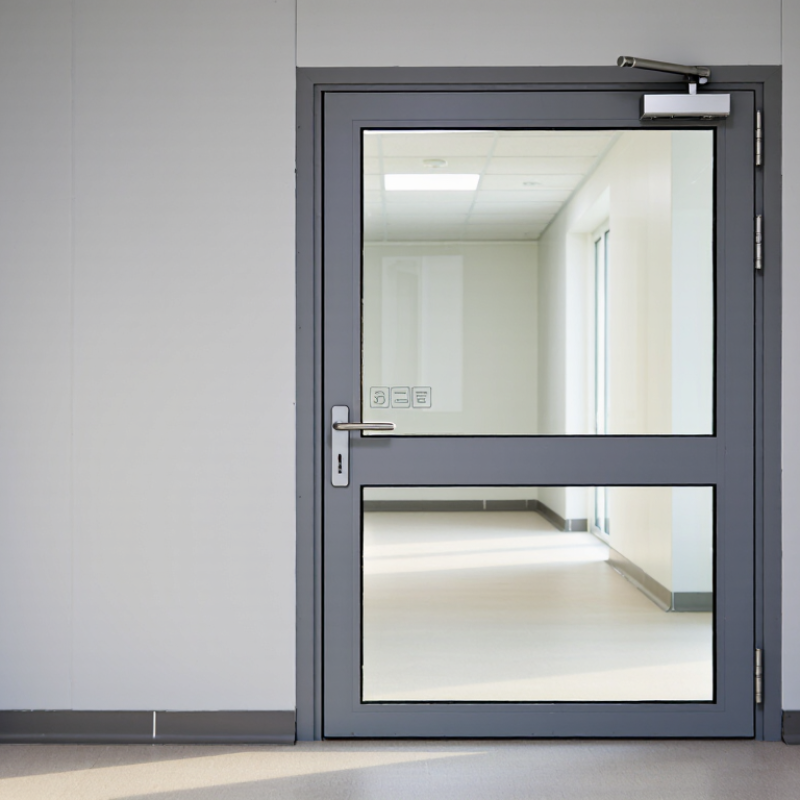
How Fire-Rated Glass Doors Protect People and Property
A fire-rated glass door can slow fire and heat while keeping corridors visible. That visibility matters when people need to find an exit through a smoke-filled building. Staff can check a hallway before opening the door, and occupants may feel less trapped behind a solid barrier. Even a narrow glazed panel can make a stairwell entrance easier to identify.
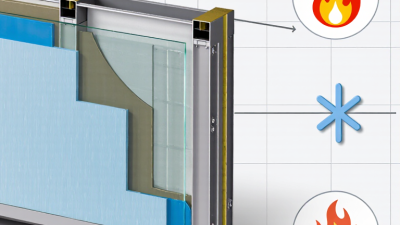
The protection depends on the complete, tested assembly—not the glass alone. The frame, seals, hinges, closer, and glazing must match the door’s rating and intended use. A small gap or damaged seal can undermine performance. Details matter. Fire-rated glass is not automatically a smoke barrier, and its heat resistance varies by product and rating. Buyers should confirm local requirements with the authority responsible for the building and use qualified installers. Routine checks help catch loose hardware, cracked glass, or doors that no longer close fully. Still, inspection schedules are sometimes overlooked in busy buildings. That is worth reconsidering: a door that looks sound may not protect people as intended if it has been altered or poorly maintained.
Which Fire Ratings and Building Codes Should Buyers Check?
Buyers should match the door’s fire rating to the opening’s location, wall rating, and locally adopted code.
The 2021 International Building Code, Table 716.1(2), sets opening-protective ratings by assembly type; common ratings include 20, 45, 60, and 90 minutes. Requirements vary. Check the code edition adopted by the local authority and confirm details with the project’s code official. A higher number is not automatically the right choice.
Glass must be part of the tested and listed door assembly, not simply described as fire-rated glass.
Ask for documentation showing the complete assembly’s rating and compliance with applicable tests, such as NFPA 252 or UL 10C. NFPA 80 requires fire door assemblies to be inspected and tested at least annually, with records maintained. Keep the paperwork. The NFPA report Fire Loss in the United States (2024) estimated 1.39 million fires in 2023; that figure is not specific to buildings with glazed doors, but it underscores why verified protection matters. A practical caution: glazing size, framing, and hardware can affect the assembly’s approval. Labels alone are not enough.
What Glass Types and Door Materials Meet Safety Requirements?
Choosing fire-rated glass starts with the door’s tested rating, not its appearance. Ordinary tempered glass may resist impact, but that alone does not make it suitable for a fire door. Depending on the required performance, approved options can include fire-protective ceramic glazing or tested fire-resistive glass. These products differ in how long they limit flames, heat, or smoke. Check the glass marking and documentation against local building requirements. Small labels matter.
Door material matters, too. Steel doors are commonly used where durable, consistent fire performance is needed. Timber fire doors can also provide protection when built and tested as complete door assemblies. The glazing, frame, beads, seals, hinges, and door leaf must work together. A certified pane fitted into an unsuitable frame may not preserve the door’s rating. Keep the glass area within the tested design, and confirm that intumescent seals are present and undamaged. I would not judge safety by a thick-looking pane or a heavy door; those clues can mislead. Ask a qualified installer or building professional to verify the specific assembly and its required rating before purchase.
How to Compare Fire Doors by Size, Style, Hardware, and Budget
When comparing fire doors with glass, start with the opening, not the showroom photo. Measure the frame, wall thickness, swing, and required clear width. Then confirm that the door, frame, glazing, and hardware are tested as a compatible assembly. Fire-rated glass is not automatically suitable for every opening. Check its label and rating against project requirements. Small detail. Big consequence.
Style matters, but keep sightlines and daily use in view. A narrow vision panel may suit a corridor; a larger glazed area can brighten a room, if the tested assembly allows it. Hardware should match the door’s listing and expected traffic: closer, latch, hinges, and any access-control parts need to work together. NFPA’s report Fire Loss in the United States During 2023 estimated 1.389 million fires and $23.2 billion in property damage. That does not measure door performance, but it is a sober reason to verify specifications rather than shop by appearance alone.
For budget comparisons, ask for itemized pricing: door, frame, rated glazing, hardware, finishing, delivery, and installation. Also check lead time and replacement-part availability. A cheaper leaf can cost more after custom framing or hardware changes. I would still recheck the site measurements; rushed estimates are often wrong. Ask a qualified supplier or specifier to confirm the complete assembly against the applicable project requirements before ordering.
Which Installation and Maintenance Factors Affect Long-Term Performance
For a fire door with glass, long-term performance starts with the complete tested assembly, not the glass alone. The door leaf, frame, glazing system, seals, hinges, and closer must be compatible. Even a small gap can affect how the door closes and contains smoke or heat. Follow the manufacturer’s installation instructions, and use a qualified installer familiar with fire-rated assemblies. A neat-looking fit is not always a sound one.
Check that the frame is plumb and secure, and that the door swings freely without scraping. Confirm that latches engage and the closer shuts the door fully from different opening angles. Keep intumescent seals continuous and free of paint, dust, or damage. Small details matter. Avoid drilling new holes or changing hardware unless the assembly’s documentation permits it. That restriction can feel inconvenient, but improvisation may compromise performance.
Maintenance should be planned, not left until something looks wrong. Inspect the glass for cracks, the glazing beads for looseness, and seals for gaps or peeling. Test the closer and latch regularly, and record defects and repairs. Use gentle cleaning products that will not damage seals or finishes. If a door starts sticking, do not trim it casually; ask a competent technician to identify the cause. Inspection schedules can vary by use and site conditions, so a fixed routine may need adjusting.