What is a Wireless RFID UHF Bluetooth Scanner and How Does It Work?
In the fast-evolving landscape of inventory management and asset tracking, the Wireless RFID UHF Bluetooth Scanner has emerged as a vital tool. According to a recent report by MarketsandMarkets, the RFID market is projected to reach $40.5 billion by 2026, driven by the increasing demand for automation and accurate data collection. This growth underscores the importance of efficient scanning technologies in various industries, including retail and logistics.
The Wireless RFID UHF Bluetooth Scanner combines the power of RFID technology with Bluetooth connectivity. This convergence allows for real-time data exchange without the constraints of wired connections. The device enhances operational efficiency by enabling quick inventory counts and minimizing human error. Detailed studies show that businesses utilizing this technology can improve inventory accuracy by up to 95%, significantly impacting their bottom line.
Despite the advantages, some challenges persist. For instance, interference from other wireless devices can affect scanning efficiency. Moreover, not all RFID tags are compatible with every scanner, which can complicate integration. Understanding these nuances is essential for businesses aiming to adopt this technology. A thorough evaluation of needs and potential limitations is crucial for effective implementation.
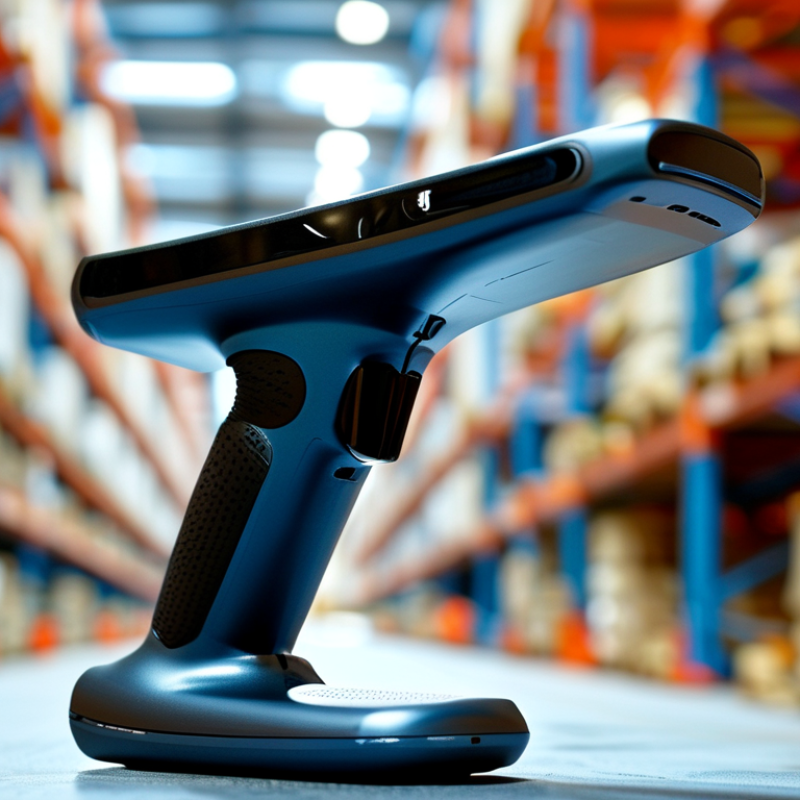
Definition and Overview of Wireless RFID UHF Bluetooth Scanners
Wireless RFID UHF Bluetooth scanners are innovative devices used for tracking and managing inventory. They utilize radio frequency identification (RFID) technology combined with Bluetooth connectivity. This combination allows for efficient data transmission and seamless integration with various systems. According to a report by Transparency Market Research, the RFID market is expected to reach over $28 billion by 2025, indicating strong growth in this sector.
These scanners work by emitting radio waves to communicate with RFID tags attached to items. When the scanner detects a tag, it collects the data and transmits it via Bluetooth to a connected device, such as a smartphone or computer. This process speeds up inventory management and enhances accuracy. Many industries, from retail to logistics, benefit from using these scanners. They can significantly reduce manual errors and save time.
Tip: Regularly update the firmware of your scanner. This helps maintain optimal performance and security.
The versatility of wireless RFID UHF Bluetooth scanners is impressive. They can read multiple tags at once, which is crucial in high-volume environments. Yet, some workplaces find it challenging to integrate new technology. Staff training may be necessary to ensure efficient use. Understanding the scanner’s limitations also matters. Environmental factors can affect performance.
Tip: Conduct a site assessment to identify potential interference issues. This ensures better functionality of the scanner in your environment.
Key Components and Technologies Behind RFID UHF Bluetooth Scanners
Wireless RFID UHF Bluetooth scanners combine innovative technologies for efficient data capture. At their core, these devices use Radio Frequency Identification (RFID) technology. RFID relies on electromagnetic fields to transfer data between a reader and a tag. The UHF (Ultra High Frequency) band enhances reading distances, making the technology suitable for various applications. This allows for quick scanning of items without needing direct line-of-sight.
Bluetooth technology complements RFID by enabling wireless communication with smartphones or other devices. This connectivity offers flexibility, allowing users to manage scan data in real time. The integration of these technologies enhances operational efficiency. Users can scan multiple items quickly, which saves time and improves inventory management.
However, not all scanners are created equal. Some may struggle with signal interference in crowded environments. Other devices may have limited reading ranges, depending on their design. Users must consider their specific needs before choosing a scanner. Understanding the strengths and weaknesses of these key components ensures better decision-making in technology investment.
How Wireless RFID UHF Bluetooth Scanners Operate in Various Applications
Wireless RFID UHF Bluetooth scanners are increasingly vital in various industries. Their ability to quickly and accurately capture data enhances operational efficiency. For instance, in logistics, these scanners can read multiple tags simultaneously, drastically reducing processing time. According to a 2023 industry report, adoption of RFID technology in warehousing improved inventory accuracy by up to 99%.
In retail, these scanners enable a seamless shopping experience. Customers can check out faster with RFID-enabled self-service kiosks. A recent study indicated that retailers utilizing RFID for inventory management saw a 30% reduction in stock discrepancies. This level of accuracy is essential as it directly impacts customer satisfaction and sales.
However, challenges remain in deployment and integration. Not all environments are suitable for RFID technology, especially in areas with metallic interference. Organizations must invest in training and infrastructure to maximize benefits. Users must also reflect on how to align these tools with existing processes effectively. Such considerations are crucial for leveraging technology in a meaningful way.
Advantages of Using Wireless RFID UHF Bluetooth Scanners in Industries
Wireless RFID UHF Bluetooth scanners have transformed various industries by enhancing efficiency and accuracy. These devices seamlessly combine RFID technology with Bluetooth capabilities, allowing for quick data transmission and processing. This combination helps streamline operations, particularly in inventory management, logistics, and tracking systems.
The advantages are notable. Using these scanners can significantly reduce the time spent on tracking items. Data can be captured remotely, eliminating the need for manual entry. Moreover, real-time updates lead to better decision-making. Workers can quickly identify stock levels and location without complicated procedures. However, there are challenges. Connectivity issues may arise, causing delays. Regular maintenance is crucial for reliability.
The integration of wireless RFID UHF Bluetooth scanners simplifies workflows. Workers can focus more on their tasks rather than paperwork. Some users may experience a learning curve with the technology. Custom training can help maximize the benefits. Ultimately, when implemented thoughtfully, these scanners become invaluable tools in modern industry.
Advantages of Wireless RFID UHF Bluetooth Scanners in Industries
Challenges and Limitations of Wireless RFID UHF Bluetooth Scanner Technology
Wireless RFID UHF Bluetooth scanners offer advanced solutions for tracking and managing inventory. However, they face several challenges and limitations in real-world applications. One significant issue is interference from other electronic devices. This can disrupt signal integrity and affect reading accuracy.
Environments with dense RFID tags can also lead to collisions, resulting in missed readings.
Battery life is another concern. These scanners rely on batteries that may drain quickly during extensive use. Frequent recharging or replacements can hinder efficiency. Additionally, while Bluetooth technology provides wireless convenience, it has limited range compared to traditional wired systems. This restriction affects operational flexibility, especially in larger spaces.
Data security is paramount in wireless scanning. As signals travel through the air, they are susceptible to hacking. Proper encryption and security protocols are critical but can complicate system setup.
Costs also pose a challenge. High-quality systems can be expensive, and ongoing maintenance might add to budgetary constraints. Despite these challenges, ongoing advancements in technology continue to improve the functionality of RFID UHF Bluetooth scanners.