The Ultimate Guide to Choosing the Best Sink Stopper?
Selecting the right Sink Stopper can significantly impact your kitchen or bathroom experience. A sink stopper is a simple yet essential component. It prevents water from draining too quickly and helps with tasks like washing dishes or soaking items.
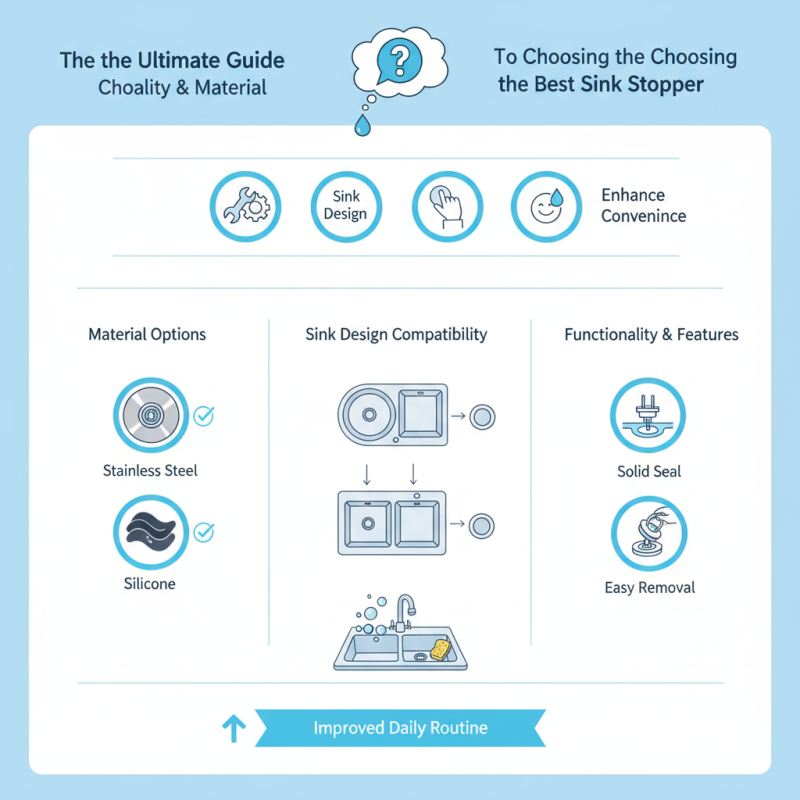
When choosing the best sink stopper, consider various factors. Quality and material matter. Stainless steel, rubber, and silicone are popular options, each offering different benefits. Think about your sink's design and what will work best with it. Functionality is also crucial. Some models create a solid seal, while others facilitate easy removal.
Many people overlook the sink stopper until it’s too late. A faulty stopper leads to frustration. A well-chosen sink stopper can enhance convenience. It can also reduce unwanted messes in your sink area. Therefore, taking the time to evaluate your options is worth it. The right choice can improve your daily routine in surprisingly effective ways.
Choosing the Right Material for Sink Stoppers: Pros and Cons
When choosing a sink stopper, the material plays a vital role. Each type has its own pros and cons. Metal stoppers, for instance, offer a sleek appearance and durability. However, they can rust over time, especially in damp environments. Consider the longevity of your choice and the maintenance required.
Plastic stoppers are lightweight and often more affordable. They resist rust but can crack or discolor after prolonged use. Keep in mind that cheaper options might lead to frequent replacements. Assess your needs and weigh the cost against quality.
**Tips:** Look for stoppers that feature a rubber seal for better drainage. This simple addition can prevent leaks and save you from messy spills. If you prefer a customized touch, explore glass stoppers. They are not only unique but also easy to clean, adding elegance to your space. Reflect on what matches your sink style while ensuring functionality. Remember, the perfect sink stopper balances aesthetics and practicality.
The Ultimate Guide to Choosing the Best Sink Stopper
| Material | Pros | Cons | Best Use Case |
| Rubber | Flexible, good seal, inexpensive | Can wear out over time, may smell | Standard kitchen sinks |
| Metal | Durable, stylish, resistant to heat | Can rust if not properly cared for | High-end bathrooms and kitchens |
| Plastic | Lightweight, affordable, resistant to chemicals | Less durable, may discolor over time | Temporary or budget installations |
| Glass | Elegant appearance, non-porous, easy to clean | Fragile, can break easily | Stylish bathrooms |
Understanding Different Types of Sink Stoppers Available on the Market
Choosing the right sink stopper is crucial for functionality and efficiency in your kitchen or bathroom. Various types of sink stoppers are available today, and understanding them can help you make an informed choice. According to a report by the Home Improvement Research Institute, nearly 40% of homeowners experience drain issues due to improper stoppers. This statistic highlights the significance of selecting the right type.
Common types of sink stoppers include rubber stoppers, pop-up stoppers, and basket strainers. Rubber stoppers provide a simple solution but may not be durable. On the other hand, pop-up stoppers offer convenience but can require regular maintenance. Basket strainers are effective at preventing debris from clogging your drain, yet they may trap water if not properly installed. Consider your main needs when choosing a stopper.
**Tip:** Always measure your sink's drain size before purchasing a stopper. A mismatch can lead to ineffective sealing.
Additionally, keep in mind that cleaning practices affect the longevity of your sink stopper. Frequent use of harsh chemicals can degrade materials over time. Regular maintenance and gentle cleaning can prolong its lifespan and enhance your sink’s functionality.
**Tip:** Check for leaks periodically to avoid water damage. Identifying issues early can save time and money.
How to Measure Your Sink for a Perfect Fit: A Step-by-Step Guide
Measuring your sink accurately is crucial for finding the right stopper. Start by gathering your tools: a tape measure, a pen, and paper. First, measure the diameter of the drain hole. This step is often overlooked but is essential. A well-fitted stopper will prevent leaks and save frustration.
Next, measure the depth of the sink. Place the tape measure vertically from the top edge to the bottom of the drain. Be precise. An incorrect depth might lead to stoppers that float or get stuck. Note these measurements down for reference. Consider the material of your sink as well. Different materials may have unique drain sizes.
Finally, think about the style and functionality you prefer. Some stoppers provide a pop-up feature. Others are simple flat designs. Reflect on how you use your sink daily. Do you need a quick-release mechanism? Or are you okay with a basic model? These decisions influence your choice significantly. Measurement and preferences go hand in hand for the best fit.
Finding the Best Sink Stopper for Your Budget and Needs
When it comes to selecting a sink stopper, it’s essential to consider your specific needs and budget. Many people overlook the importance of a quality stopper. However, the right one can prevent clogs and reduce frustration. Start by assessing your sink type. Do you have a double or single basin? This will determine the size and type of stopper you need. Materials like rubber, silicone, or metal each have their pros and cons. Rubber is flexible, while metal can provide a more elegant appearance.
Think about the frequency of use. A frequently used kitchen sink may require a more durable option. On the other hand, a seldom-used bathroom sink can function well with a simpler model. Pay attention to the size and fit as well. A poorly fitting stopper can lead to leaks and wasted water. Review customer feedback to gain insight into reliability. It can be tempting to choose the cheapest option, yet investing a little more can save time and hassle in the long run. Remember, not all stoppers are created equal. Sometimes, a perceived bargain may end up costing more in maintenance.
Tips for Maintaining and Cleaning Your Sink Stopper Effectively
Maintaining and cleaning your sink stopper is essential for optimal kitchen or bathroom function. Regular upkeep prevents blockages and ensures the mechanism works smoothly. Start by checking the stopper frequently for buildup. Food particles, hair, and soap scum can accumulate, creating a mess. You might need to remove the stopper to clean it thoroughly. This process can be simple, yet it often goes overlooked.
To clean, use a mixture of vinegar and baking soda. This natural solution helps dissolve grime effectively. Pour the solution into the sink, and allow it to sit for 15-20 minutes. Afterward, rinse well with hot water. It’s important to be aware that hard water stains can develop. If you live in an area with hard water, consider using a more robust cleaner occasionally.
Don't forget to inspect the stopper mechanism itself. Sometimes, it may become loose or stuck. This can lead to frustration and inconvenience. If you notice any issues, take the time to troubleshoot or consult a professional. A clean and well-functioning sink stopper might seem trivial, but small details matter in home maintenance.