- Proudly Made in the USA

A Tv Cabinet Wall Unit is more than a place to position your television. It combines display space, concealed storage, and visual structure in one coordinated installation. In a living room, it can frame the screen with warm wood, open shelving, and closed cupboards. It can also hide streaming boxes, game consoles, remote controls, and loose cables.
British designer William Morris offered a useful standard: “Have nothing in your houses that you do not know to be useful, or believe to be beautiful.” That principle suits the modern Tv Cabinet Wall Unit. Every shelf should serve a purpose. Every finish should support the room. A cabinet should not become expensive clutter.
The practical advantages are clear. Wall-mounted or integrated designs can make a narrow room feel calmer. Closed doors reduce visible mess. Adjustable shelves accommodate changing equipment. Proper ventilation protects electronics from excessive heat. Strong fixings matter too, especially when the unit carries a large television.
Yet this furniture is not a magic fix. Poor measurements can block sockets, restrict airflow, or make the screen uncomfortable to watch. A glossy finish may show fingerprints. Open shelves can collect dust quickly. These details are easy to underestimate.
A reliable choice begins with the wall dimensions, viewing height, cable routes, and equipment list. Consider future upgrades as well. A good Tv Cabinet Wall Unit should look attractive today, but remain useful several years later. That balance of beauty, safety, and everyday function explains why many homeowners choose one.
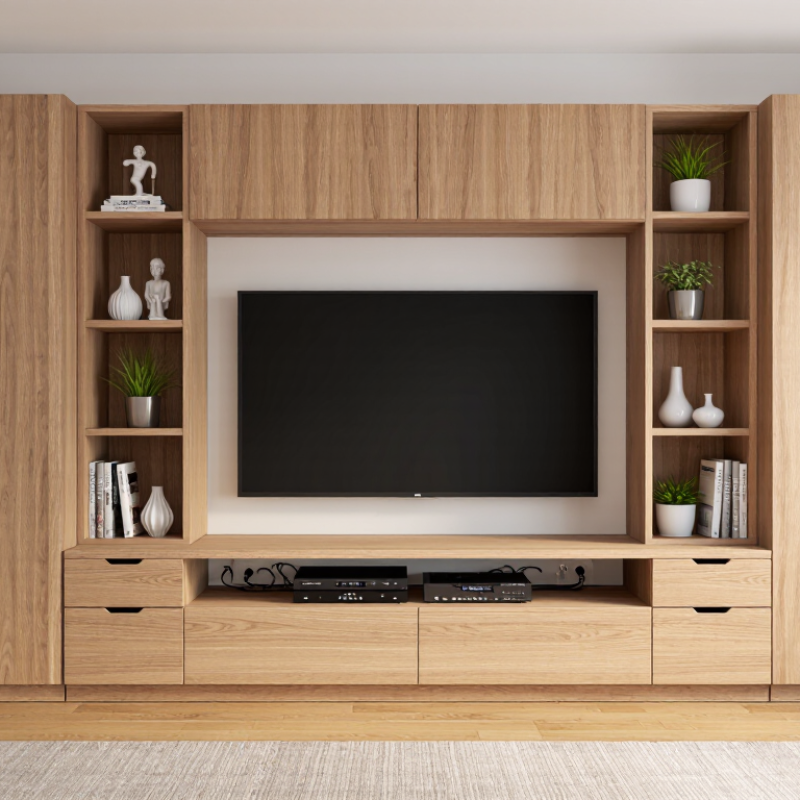
A TV cabinet wall unit is a coordinated furniture arrangement built around a television. It usually combines a low cabinet with side shelves, drawers, or cupboards, and may include storage above the screen. Some units are freestanding; others are fixed to the wall. The name is not perfectly standardized, so check the actual dimensions and installation details rather than relying on the label alone.
Its purpose is to bring the screen and everyday storage into one organized area. A cabinet can hold media devices, remotes, and game controllers, while shelves display books or small objects. Cable openings may help route wires, but they do not always hide every cord. Measure the wall, television, and nearby outlets before choosing a unit. Leave space around devices that produce heat, and confirm that shelves can support their weight. Small details matter. A deep cabinet may suit bulky equipment, while a narrow one can feel cramped. I have found that room layouts rarely match product photos exactly, so allow for baseboards, doors, and uneven corners.

A TV cabinet wall unit combines a media console, wall cabinets, shelving, and cable management into one coordinated structure. The lower cabinet supports equipment and hides remote controls, power strips, and game accessories. Wall-mounted sections add storage without consuming much floor space. Open shelves display books or small decorations, while closed doors keep dust and visual clutter under control.
Design options should match both the room and the television’s technical needs. A floating cabinet creates a lighter appearance and makes floor cleaning easier. A floor-standing base offers stronger visual weight and often provides more storage. Adjustable shelves can hold a compact streaming device or a larger receiver.
Ventilation gaps are essential because electronic equipment produces heat. Cable channels behind the back panel also prevent loose wires from hanging below the screen.
Material choices affect durability and maintenance. Wood veneer feels warm, while painted panels create a cleaner, contemporary surface. Glass doors can display equipment, but fingerprints become noticeable. The screen should sit near comfortable eye level, not automatically at the highest point of the wall. A secure wall fixing system matters, especially with heavier cabinets. Small details matter. However, perfect symmetry is not always practical. Uneven walls, visible sockets, or limited ventilation may require a less polished arrangement.
A TV cabinet wall unit combines a media console, shelving, and vertical storage in one coordinated structure. It can make a living room feel calmer by giving the screen a defined visual center. Nielsen’s The Gauge report showed streaming represented 41.4% of U.S. television usage in July 2024. More viewing time makes screen placement and storage increasingly important.
A well-planned unit lifts equipment away from crowded floor space. Closed cabinets can hide routers, controllers, and loose cables. Open shelves keep books or decorations accessible without making the room feel heavy. Some designs also frame the screen, reducing the empty-wall effect. In smaller homes, vertical storage may preserve walking space better than a wide, low cabinet. However, it is not magic. A unit that is too deep can make a narrow room feel tighter. Poor ventilation may also shorten electronic equipment’s working life. Measure the wall, viewing distance, socket positions, and device heat output before buying.
Tips: Leave ventilation gaps around consoles. Anchor tall units securely. Choose adjustable shelves for changing equipment. Use cable channels, not tangled cords. Keep the screen near eye level when seated.
Ofcom’s Media Nations 2024 report recorded substantial daily audiovisual viewing among UK adults, reinforcing the living room’s role as a media environment. Yet comfort matters as much as storage. Warm lighting, clear sightlines, and a few personal objects can soften the technology. The best wall unit may look slightly less perfect, but function better every evening.
| Planning Dimension | Practical Reference | How the Wall Unit Helps | Useful Check Before Buying |
|---|---|---|---|
| Definition | A coordinated furniture arrangement designed around a television, often combining a TV stand or cabinet with shelves, cupboards, or display areas. | Brings media storage and display space together in one organized focal point. | Check which pieces are included; layouts and configurations vary between products. |
| TV width | For a standard 16:9 screen, a 55-inch TV is about 48 inches (122 cm) wide; a 65-inch TV is about 57 inches (145 cm) wide. Actual dimensions vary by model and bezel. | A suitably wide cabinet can give the screen a balanced visual base and provide space for media equipment. | Compare the TV’s published width with the cabinet’s usable top width and any mounting instructions. |
| Storage capacity | Closed cabinets can hold items such as game controllers, cables, and media accessories; open shelves can keep frequently used devices accessible. | Separates everyday equipment from display items and helps reduce visible clutter. | Measure larger devices and allow room for plugs, cable bends, and ventilation. |
| Cable organization | Some units include cable-management openings or channels; these features are not standard on every design. | Can keep connecting wires grouped and less visible from the seating area. | Confirm that openings line up with wall outlets and the positions of your TV and equipment. |
| Wall and floor space | Wall units come in different widths, depths, and heights, including compact and full-wall arrangements. | Combines storage and display functions, which can make a living-room layout feel more coordinated. | Measure the available wall, skirting boards, nearby doors, and walking paths before choosing a size. |
| Mounting and stability | Some designs are freestanding; others include wall-mounted components. Installation requirements depend on the product and wall construction. | A stable, correctly installed setup helps keep furniture and equipment securely in place. | Follow the manufacturer’s assembly and anchoring instructions, and use fixings appropriate for the wall. |
| Overall living-space effect | The unit can combine a TV position with shelving, cupboards, and display surfaces in a single furniture arrangement. | Creates a defined media area while offering practical storage and a place for personal décor. | Choose a finish, scale, and layout that suit the room’s existing furniture and available space. |
Before choosing a TV cabinet wall unit, measure the wall, screen, and viewing distance. Include skirting boards, sockets, and door swings. A unit that fits on paper may block a cupboard in real life. CEDIA’s home-theater guidance treats viewing distance and screen size as linked design choices; check its recommendations against your room rather than buying by screen size alone. Allow space for ventilation around equipment, and make sure cables can reach outlets without crossing walkways. Slightly untidy cable access is still better than sealed-in electronics.
Think about what the unit must store: game consoles, books, speakers, or only a few remotes. Open shelves are convenient, but they collect dust. Closed cabinets look calmer, though devices may need airflow or remote-signal access. Measure the deepest component, including plugs. Houzz’s 2024 U.S. Houzz & Home Study reported a median home-renovation spend of $24,000 in 2023. That figure covers many project types, not TV units, but it shows why setting a separate furniture budget matters. Include delivery, installation, and wall-mounting costs. Finally, check the wall construction and the unit’s fixing instructions. A heavy cabinet should not rely on guesswork. Even careful planning can miss one awkward cable.
A TV cabinet wall unit combines a television mount, storage, and cable management in one vertical structure. Correct installation begins with the wall, not the cabinet. Locate studs with a stud finder, confirm their spacing, and check the wall for electrical pipes or hidden plumbing. Use fasteners suitable for the wall material. Drywall anchors alone may fail under constant load.
Measure twice. Mount the cabinet rail level, then check the manufacturer’s load rating against the television and stored equipment. The U.S. Consumer Product Safety Commission’s 2022 Furniture Tip-Over report estimated 71,300 emergency-department injuries from furniture, televisions, and appliances during 2018–2020. Anti-tip brackets and stud connections are therefore practical safety requirements, especially in homes with children or pets. Keep ventilation gaps around receivers and game consoles. Do not compress power cables behind the unit. Certified electrical components should follow applicable safety standards, including UL 62368-1 where relevant.
Maintenance is simple but easily neglected. Dust the vents monthly with a soft, dry cloth, and inspect brackets, hinges, and cable ports every six months. Tighten loose hardware gently; overtightening can damage panels. Check for sagging shelves or new wall cracks. Humidity matters. The U.S. Environmental Protection Agency recommends indoor humidity between 30% and 50%, which helps limit moisture-related swelling and mold growth. A small gap behind the cabinet improves airflow, though it may look less polished. That trade-off is worth accepting.
A TV cabinet wall unit combines television support, storage, and cable organization in one space-saving structure. The schedule below presents practical inspection intervals: clean dust monthly, check ventilation and cables every three months, inspect wall anchors twice a year, and tighten hardware annually.
Whether you’re looking for fire-rated walls, doors, openings, floors or a specialty service, we have the solution for you. With over 40 years of experience in testing, innovating, and providing technologically advanced fire-rated glass and framing products, we deliver unyielding performance and quality at a competitive price.
