Top Trends in Passive Fire Protection for 2025 You Need to Know
As we look ahead to 2025, the field of passive fire protection is undergoing significant transformations driven by advances in materials technology, regulatory changes, and an increasing emphasis on safety in building design. According to the Global Fire Protection Market Report, the passive fire protection segment is expected to grow at a compound annual growth rate (CAGR) of 6.8%, indicating a robust demand for effective strategies to mitigate fire risks. This trend highlights the critical role of passive fire protection in safeguarding lives and properties, providing essential barriers to fire spread even when active systems may fail.
Experts in the field underscore the importance of innovation in passive fire protection. Dr. Emily Carter, a renowned fire safety consultant, emphasizes this point, stating, "The future of building safety lies in our ability to integrate cutting-edge passive fire protection measures that work seamlessly with other safety systems.” Her insights reflect a growing consensus within the industry—effective passive fire protection strategies not only enhance safety but also contribute to the overall resilience of structures against fire hazards. As we dissect the top trends in passive fire protection for 2025, it becomes clear that staying ahead of these developments is essential for architects, builders, and safety professionals alike.

Emerging Technologies in Passive Fire Protection Systems for 2025
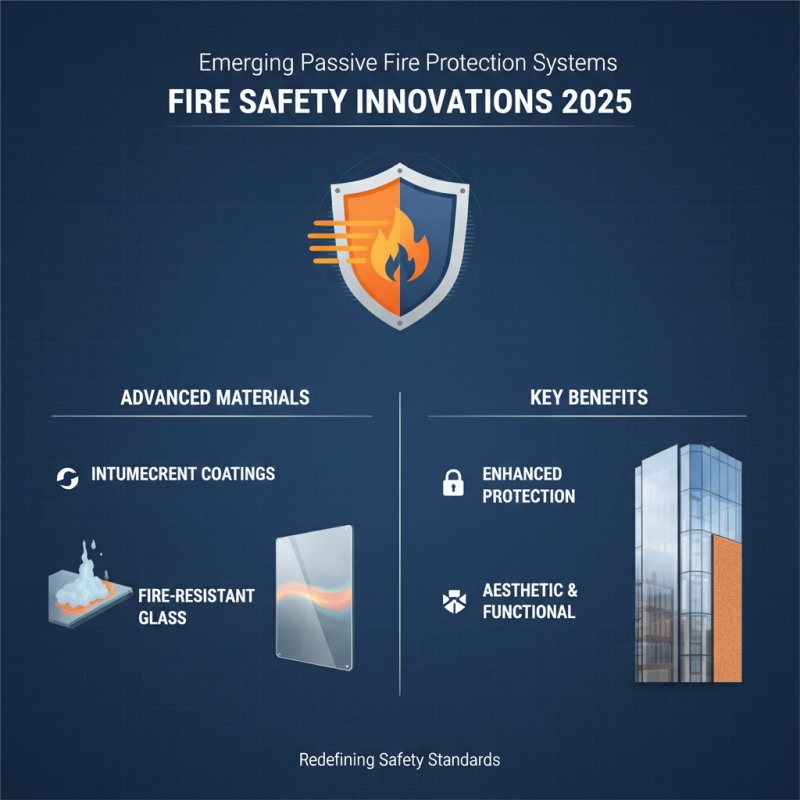
Emerging technologies in passive fire protection systems for 2025 are set to redefine safety standards across various industries. One significant trend is the integration of advanced materials that offer enhanced fire resistance. Innovations such as intumescent coatings and fire-resistant glass are becoming increasingly prevalent, providing not only safety but also aesthetic appeal in building designs. These materials expand and create protective barriers when exposed to heat, significantly improving the efficacy of fire protection systems.
In addition to material advancements, smart technology integration is another key trend shaping passive fire protection. Automated monitoring systems that can detect temperature fluctuations or smoke presence are expected to play a vital role in fire management. These systems facilitate quicker response times and improved risk assessments, allowing for better compliance with safety regulations. As the industry leans towards IoT-enabled solutions, the ability to remotely oversee fire protection systems will enhance safety coordination within complex infrastructures.
Overall, the future of passive fire protection in 2025 looks promising, with an emphasis on innovation and efficiency. Stakeholders are increasingly recognizing the necessity of adopting these advanced technologies to ensure not only compliance with evolving safety standards but also the protection of lives and property.
Regulatory Changes Impacting Passive Fire Protection Standards
As we approach 2025, regulatory changes are set to reshape the landscape of passive fire protection standards significantly. Governments and safety organizations are recognizing the importance of enhancing fire safety measures to reduce risks and improve building resilience. These changes often underline stricter testing protocols and certification procedures, impacting materials used in passive fire protection systems. Compliance with new standards will be crucial for manufacturers and construction professionals, ensuring that products not only meet current safety criteria but are also future-proofed against evolving regulations.
Additionally, the integration of technology in compliance monitoring is becoming increasingly prevalent. Tools like digital platforms and real-time reporting systems may be introduced to facilitate adherence to these new standards, making it easier for stakeholders to manage compliance efficiently. This technological shift can also enhance transparency and communication among contractors, architects, and regulatory bodies, fostering a collaborative approach to fire safety. As these regulatory changes take effect, the industry will need to adapt swiftly, focusing on innovative solutions that align with the latest passive fire protection requirements.
Integration of Smart Technologies in Fire Protection Solutions
The integration of smart technologies in passive fire protection systems is rapidly transforming fire safety strategies across various industries. According to a report by the National Fire Protection Association (NFPA), approximately 60% of fire-related fatalities occur in residential buildings, highlighting the urgent need for advanced protection solutions that leverage technology. Smart technologies, encompassing IoT devices, AI algorithms, and real-time monitoring systems, are enhancing the efficacy of traditional fire protection methods by enabling proactive safety measures.
One significant trend is the use of automated fire detection systems that can communicate with building management systems. These technologies not only provide early alerts but also offer actionable insights to facilitate immediate responses. For instance, a report from the International Fire Safety Standards Coalition reveals that integrating smart sensors can increase response time to potential fire threats by up to 70%. This level of responsiveness is vital in minimizing damage and ensuring occupant safety, particularly in high-density urban environments.
Furthermore, predictive analytics powered by artificial intelligence is set to reshape the future of fire protection. By analyzing historical data and real-time inputs, these systems can identify potential risks and recommend preventive actions before incidents occur. The global market for smart fire protection technologies is estimated to grow by 15% annually, underscoring the increasing recognition of these innovative solutions in enhancing safety protocols. With these advancements, organizations can not only comply with regulations but also foster a safe environment, ultimately protecting lives and property.
Market Growth and Investment Trends in Passive Fire Protection Products
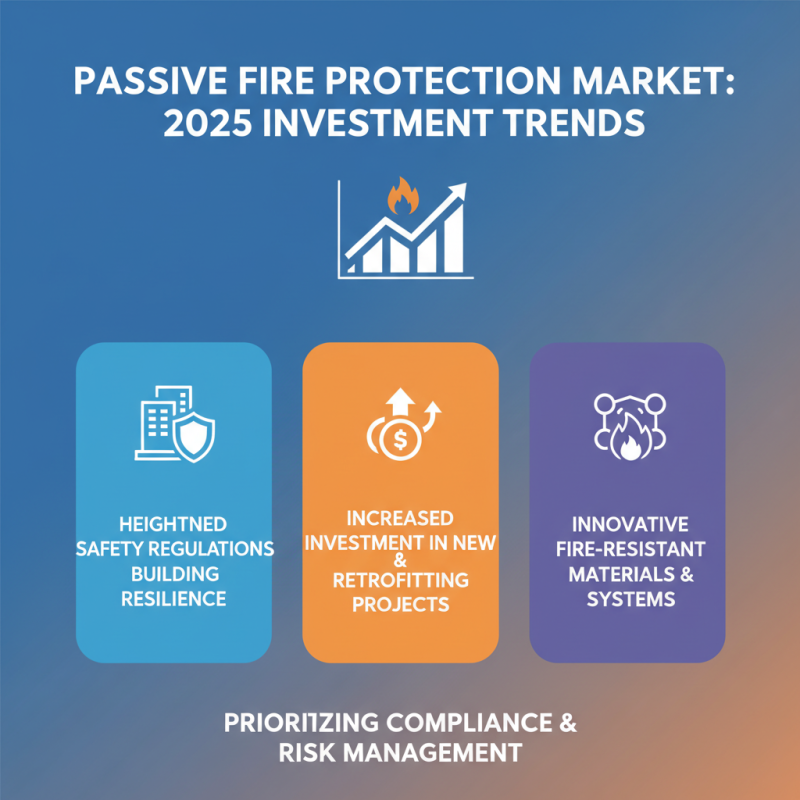
The passive fire protection market has been experiencing significant growth, driven by heightened safety regulations and an increasing emphasis on building resilience against fire hazards. In 2025, the investment trends in this sector are expected to reflect a strong commitment from stakeholders to enhance the infrastructure of both new constructions and retrofitting projects. Key areas of focus include the development of innovative fire-resistant materials and systems that meet evolving safety standards, which will likely attract considerable financial backing as organizations prioritize compliance and risk management.
Moreover, the integration of advanced technologies into passive fire protection solutions is paving the way for more efficient designs and applications. There is a growing trend of utilizing smart materials that can react to fire conditions, improving overall safety and preemptive measures. Investors are increasingly recognizing the potential of these technologies, fueling further research and development efforts. As the market expands, collaboration among industry players, including construction firms and fire safety experts, will be critical to creating effective, sustainable, and cost-efficient passive fire protection products.
Sustainable Materials and Their Role in Fire Safety Innovations
The role of sustainable materials in fire safety innovations is increasingly central as we approach 2025. Industry reports indicate that the use of eco-friendly materials can significantly enhance fire resistance without sacrificing performance. According to a study by the Fire Protection Research Foundation, materials recognized for their sustainability, such as recycled steel and bio-based composites, have shown improved thermal stability, reducing the risk of fire spread in both commercial and residential applications.
Moreover, integrating sustainable materials into fire protection designs not only contributes to the safety of structures but also aligns with global sustainability goals. The adoption of such materials is expected to rise, with a projected market growth of 10% annually in the passive fire protection sector. This trend emphasizes the synergy between environmental responsibility and safety, making it vital for architects and builders to prioritize materials that meet stringent fire safety standards and minimize environmental impact.
**Tip:** When selecting materials for fire safety, always prioritize those that have certifications from recognized fire safety standards. This ensures not only regulatory compliance but also the effectiveness of passive fire protection methods. Remember, investing in sustainable materials is not just a trend; it’s a crucial step towards safer buildings for future generations.
**Tip:** Keep an eye on advancements in fire-resistant technologies within sustainable materials. Innovation in this space can lead to breakthroughs that significantly enhance the effectiveness of passive fire protection strategies, which will be critical in shaping safe living environments in the years to come.