Top Tips for Choosing the Best Catering Food Carrier?
Choosing the right Catering Food Carrier is crucial for any event. A quality carrier ensures food remains warm, fresh, and safe. You might think all carriers serve the same purpose. However, there are key differences that can affect your experience.
When selecting a catering food carrier, consider its design and materials. Is it insulated properly? How easy is it to transport? These details matter. Sometimes, the best choice is one that seems less flashy but performs well. Think about the type of food you’ll be serving. Different cuisines may require different types of carriers.
Look for options that allow for easy handling and cleaning. You may want a carrier with compartments or adjustable sections. This versatility provides functional benefits. However, remember that not all carriers live up to their promises. Research and testimonials can provide valuable insights for your selection process. Aim for a blend of practicality and reliability.
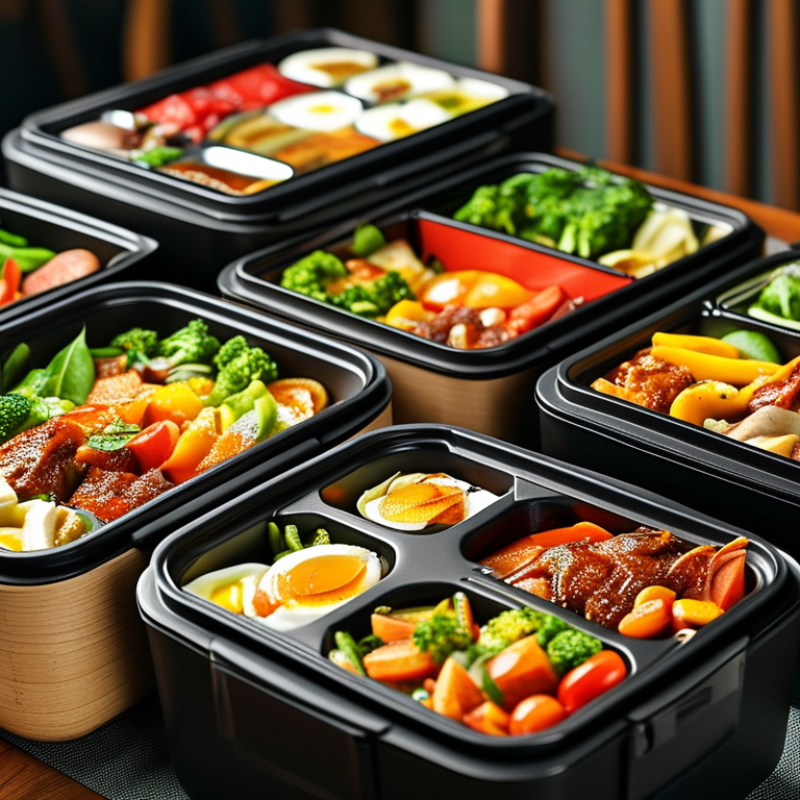
Understanding the Importance of Food Temperature Control in Catering
In the catering industry, food temperature control is critical for safety and quality. The USDA states that foods must be kept out of the "danger zone" between 40°F and 140°F. This range is where bacteria thrive. Inadequate temperature management can lead to foodborne illnesses, affecting both customers and business reputation.
A report from the CDC shows that about 48 million Americans fall ill from foodborne diseases each year. Proper food carriers play a significant role in maintaining temperatures. Insulated carriers can keep hot food above 140°F and cold food below 40°F for hours. However, even with high-quality carriers, mishaps can happen. A slight lapse in monitoring temperatures during transportation can compromise food safety.
Many catering companies underestimate the importance of regular temperature checks. Investing in digital thermometers can ensure food stays within safe ranges. Understanding and prioritizing temperature control not only safeguards public health but can also elevate a catering business's credibility. Regular audits of food safety practices can identify areas for improvement, highlighting the need for constant vigilance.
Key Features to Look For in High-Quality Catering Food Carriers
When selecting a catering food carrier, understanding key features is essential. Consider durability; materials should withstand heavy use. Stainless steel and high-grade plastic are preferred. According to a 2022 industry report, over 70% of catering professionals rate durability as a top priority. The right carrier must resist dents and scratches to ensure longevity.
Insulation is another critical feature. A carrier needs to maintain food temperature. This is vital to food safety and quality. Research indicates that effective insulation can keep food hot or cold for several hours. Ensure your chosen model has at least two inches of insulated walls to meet industry standards.
Look for versatility in design, which allows for various food types. Some carriers are designed for different cuisines, while others accommodate multiple dishes. However, a common oversight is selecting carriers that are too large or cumbersome. They should be easy to transport yet spacious enough to hold the necessary items. Balancing size and usability is key to an effective catering operation.
Comparative Analysis of Material Types for Catering Food Carriers
Choosing the right material for catering food carriers is crucial. Various materials offer different benefits and drawbacks. Common options include plastic, stainless steel, and aluminum. Each type has unique properties that cater to diverse catering needs.
Plastic carriers are lightweight and cost-effective but may not retain heat well. A report from the Catering Equipment Association suggests that while plastic options account for about 45% of the market, their longevity can be a concern. They are ideal for short events but might falter in maintaining food temperature for extended periods. In contrast, stainless steel carriers excel in heat retention. They are durable and hygienic, making them suitable for long-term use. According to a recent survey by Foodservice Equipment Reports, about 30% of caterers prefer stainless steel for its reliability.
Aluminum carriers are another option. They are sturdy yet often less insulated than stainless steel. Aluminum can be more affordable but may not keep food at the desired temperatures. Some data points indicate that aluminum sales are growing yearly, attributed to its recyclability. Each material has pros and cons, emphasizing the need for careful consideration when selecting a food carrier.
Evaluating Size and Capacity Needs for Catering Events
When evaluating size and capacity needs for catering events, it's essential to consider the number of guests. Estimate how much food each person will consume. A common guideline is one pound of food per guest, but this can vary. If you're serving multiple courses, adjust your calculations accordingly. Visualize the space available at the event venue. Will there be ample room for setting the food carriers? A crowded area can hinder serving efficiency.
Next, assess the types of food being served. Heavy dishes like pastas and meats will require more robust carriers. Conversely, lighter items like salads require less capacity. Think about the presentation as well. Containers should be appealing and functional. Be wary of choosing carriers that are too small or too large. A mismatch can lead to food spilling or waste.
Finally, factor in the logistics of transport. Ensure your carriers fit comfortably in your vehicle. Are they easily stackable? Consider the travel distance to the venue. If it’s extensive, secure lids are crucial to prevent spills. The right balance of size and capacity influences the overall success of your catering event. Reflect on your choices to elevate your catering experiences.
Top Tips for Choosing the Best Catering Food Carrier
| Dimension | Size (inches) | Capacity (quarts) | Ideal Use |
| Small Carrier | 12 x 12 | 4 | Small Gatherings |
| Medium Carrier | 18 x 12 | 8 | Office Events |
| Large Carrier | 24 x 18 | 16 | Wedding Receptions |
| Extra Large Carrier | 36 x 24 | 32 | Corporate Events |
Cost-Effectiveness: Balancing Quality and Budget for Food Carriers
When selecting the right catering food carrier, cost-effectiveness plays a significant role. A study by the National Restaurant Association highlights that 61% of caterers prioritize budget management when sourcing equipment. This shift places emphasis on choosing carriers that provide both quality and affordability. Many carriers claim to offer the best insulation or durability, yet price alone isn’t the deciding factor.
Investing in carriers that are durable may yield higher initial costs, but they often reduce long-term expenses. According to a report from IBISWorld, the food carrier industry is projected to grow nearly 6% annually. As you evaluate options, consider if these carriers can withstand varied transport conditions without failing. Flimsy options may save money upfront but could lead to food spoilage, incurring extra costs later.
Balancing budget with quality means evaluating materials and designs. Some carriers are engineered to maintain temperature longer, minimizing food loss and waste. Yet, manufacturers may cut corners in production, leading to potential flaws. Rigorously checking user reviews and warranty policies can provide necessary insight into their reliability. In the end, prioritizing your selection could save both money and reputation.