Top 10 Safety Glass Options for Global Buyers Today?
In today's global market, the demand for safety glass continues to rise. According to a recent industry report by Grand View Research, the global safety glass market is expected to grow at a CAGR of 8.1% from 2021 to 2028. This increase underscores the importance of safety glass in various applications, from automotive to architectural sectors.
Safety glass provides essential protection against impacts, making it vital for public safety. In fact, the construction industry alone accounted for nearly 40% of the total market share in 2021, demonstrating its critical role in building designs. Yet, buyers face challenges in choosing the right products. Not all safety glass options are created equal. Variability in quality exists, and lower-grade products can compromise safety standards.
Understanding the different types of safety glass available on the market is crucial. Decision-makers must consider factors like durability, energy efficiency, and compliance with local regulations. Evaluating these aspects fosters informed decisions that can enhance safety while ensuring compliance. The options may seem overwhelming, but with the right knowledge, buyers can navigate this complex landscape for their specific needs.
Top 10 Safety Glass Options for Global Buyers Today: An Overview
When considering safety glass options, it’s crucial to understand the various types available today. Safety glass guarantees protection against impacts, making it ideal for construction, automotive, and architectural uses. Laminated glass consists of two or more layers of glass with a plastic interlayer. This construction absorbs impact energy, reducing the risk of injury.
Tempered glass is another popular choice. It undergoes a heating and cooling process that makes it considerably stronger than regular glass. When broken, it shatters into small, blunt pieces, minimizing injury risks. An alternative, polycarbonate glass, is lighter yet highly resistant to impact. It’s often used in environments prone to breakage, like sports facilities.
However, not all safety glass is created equal. Some varieties may lack adequate certification. Buyers should always verify compliance with safety standards. Also, the installation process is critical. Improperly installed glass can undermine its safety features, leading to potential failures. Understanding the nuances of each option allows buyers to make informed decisions. The right choice ensures safety while addressing specific project needs.
Key Features and Benefits of Safety Glasses in Today's Market
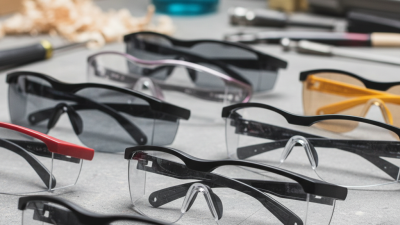
Safety glasses are essential for protection in various environments. They shield your eyes from potential hazards like flying debris, chemicals, and UV rays. The right pair can enhance visibility while ensuring comfort. Many options offer anti-fogging and scratch-resistant features, improving usability under different conditions.
When selecting safety glasses, consider the lens material. Polycarbonate lenses are lightweight yet durable. They provide high impact resistance, suitable for construction or manufacturing industries. Photochromic lenses adapt to light changes, making them great for outdoor jobs and activities.
Tips: Look for adjustable frames to ensure a secure fit. A proper fit reduces discomfort and enhances protection. Also, consider your work environment. While some glasses prioritize impact resistance, others focus on glare reduction. Always assess your needs before making a purchase. Remember, a small misstep in choosing safety gear can lead to significant consequences. Prioritize your eye protection.
Comparative Analysis of Polycarbonate vs. Trivex Safety Glasses
When choosing safety glasses, two popular options are polycarbonate and Trivex. Each material has unique features that cater to different needs. Polycarbonate is known for its impact resistance and lightweight design. This makes it a popular choice in various industries where safety is paramount. However, there can be trade-offs. Polycarbonate lenses can scratch easily, potentially compromising clarity over time.
On the other hand, Trivex offers excellent optics and is also lightweight. It provides better scratch resistance compared to polycarbonate. Trivex is often preferred for its superior visual clarity. But, it can be more expensive than polycarbonate. For buyers, the decision may come down to personal preference and specific needs. Both materials have their strengths and weaknesses, which should be weighed carefully.
Some users may find that polycarbonate fits their budget better. Others may prioritize the optical quality that Trivex provides. The perfect choice often requires a bit of trial and error. Users should take into account how frequently they wear safety glasses and in what environments. Ultimately, understanding your needs is crucial for ensuring safety while also achieving comfort and clarity.
Impact Resistance Ratings: Understanding ANSI and CSA Standards
When considering safety glasses, understanding impact resistance ratings is crucial. ANSI (American National Standards Institute) and CSA (Canadian Standards Association) set these standards. They define how well safety glasses can withstand impacts. Users must check these ratings before making a purchase. Higher ratings usually mean better protection against flying debris or accidental impacts.
Tips: Always look for the 'Z87.1' mark on ANSI-certified glasses. This indicates they meet high durability standards. For Canadian buyers, CSA Z94.3 is important. Ensure your safety glasses comply with these standards before working in hazardous environments.
Unfortunately, not all glasses pass these tests, leading to potential injuries. Some brands might mislead consumers about their products' capabilities. Researching ratings can prevent costly mistakes. Read reviews and seek reliable sources to ensure you’re getting quality protection. Understanding standards can help buyers make informed decisions. Don't compromise safety for style.
Top 10 Safety Glass Options for Global Buyers Today
| Safety Glass Type |
Impact Resistance Rating |
ANSI Standard |
CSA Standard |
Typical Applications |
| Polycarbonate |
High |
ANSI Z87.1 |
CSA Z94.3 |
Industrial, Sports |
| Tempered Glass |
Medium |
ANSI Z87.1 |
CSA Z94.3 |
Architecture, Structural |
| Laminated Glass |
High |
ANSI Z87.1 |
CSA Z94.3 |
Safety, Security |
| Safety Film |
Medium |
ANSI Z87.1 |
CSA Z94.3 |
Renovations, Retrofits |
| Acrylic |
Medium to High |
ANSI Z87.1 |
CSA Z94.3 |
Displays, Signage |
| Wire Glass |
Medium |
ANSI Z87.1 |
CSA Z94.3 |
Fire Safety, Security |
| Safety Glass with Anti-Fog Coating |
High |
ANSI Z87.1 |
CSA Z94.3 |
Sports, Medical |
| Safety Glass with UV Protection |
Medium to High |
ANSI Z87.1 |
CSA Z94.3 |
Outdoor Use |
| Anti-Scratch Safety Glass |
Medium |
ANSI Z87.1 |
CSA Z94.3 |
Everyday Wear |
Emerging Trends in Safety Glass Technology for Global Consumers
The safety glass market is evolving rapidly. Recent reports indicate that the global safety glass market was valued at approximately $27 billion in 2022 and is expected to grow at a compound annual growth rate (CAGR) of around 7.5% from 2023 to 2030. Consumer demand for durable and energy-efficient glass is driving innovations in this field, specifically in tempered and laminated glass technologies.
Emerging trends highlight advancements in smart glass technology. For instance, electrochromic glass allows users to control light levels and heat. This innovation can significantly improve energy efficiency in buildings. Additionally, soundproof glass is becoming increasingly popular in urban areas. Many consumers seek comfort in reducing noise pollution, making sound-dampening technologies essential.
There are challenges in implementing these technologies. The cost of production for advanced safety glass can be prohibitive. Many consumers may hesitate to invest in these solutions without awareness of their long-term benefits. Moreover, the environmental impact of glass production continues to raise concerns. The industry needs to focus on sustainable practices while maintaining quality and safety standards.