Top 10 Imitation Silk Fabric Suppliers in China for Global Buyers?
The global market for Imitation Silk Fabric has witnessed significant growth in recent years. According to a 2022 industry report, the demand for high-quality alternatives to natural silk is rising, estimated at a compound annual growth rate (CAGR) of 8.5% through 2026. This growth can be attributed to advancements in textile technologies that enhance the quality and affordability of Imitation Silk Fabric.
Expert in textile manufacturing, Dr. Emily Zhao, notes, “Imitation Silk Fabric is a game changer for sustainable fashion.” This sentiment reflects the industry’s shift toward eco-friendly materials that minimize environmental impact while offering luxurious textures. As global buyers seek reliable suppliers, identifying key players in the market becomes crucial.
Despite the increasing popularity, challenges persist. Not all suppliers guarantee consistent quality or ethical practices. The quest for top-tier Imitation Silk Fabric suppliers requires diligence and careful research. Buyers must navigate a landscape filled with varying standards and practices, ensuring their choices align with both quality expectations and responsible sourcing.
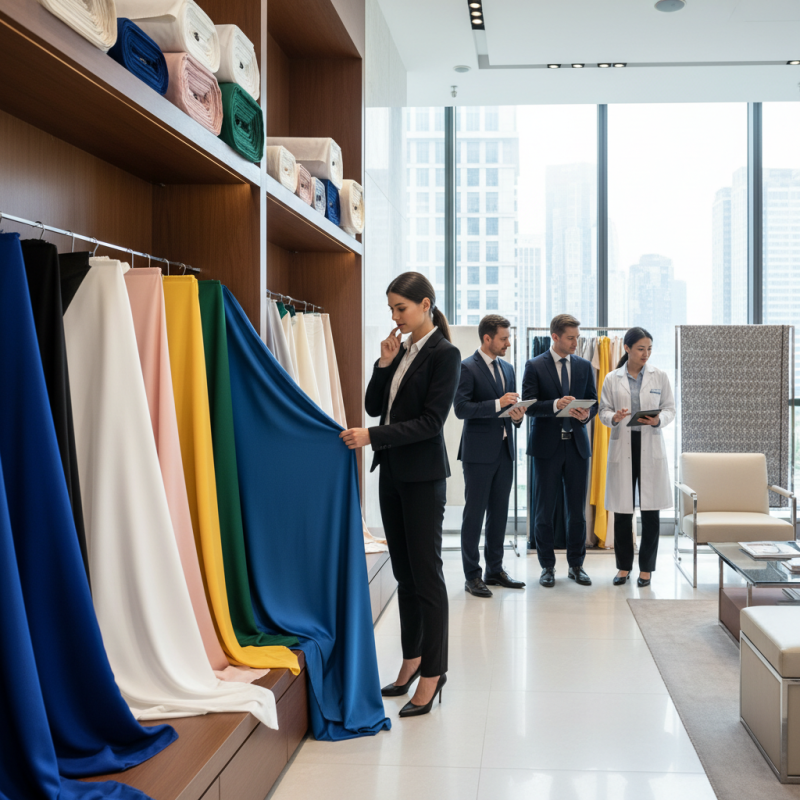
Overview of Imitation Silk Fabric and Its Market Demand
Imitation silk fabric, often referred to as synthetic silk, has grown in popularity due to its affordability and versatility. This fabric offers a luxurious look while being cost-effective. Recent industry reports indicate a significant increase in global demand, driven by rising fashion trends and eco-conscious consumers. The market value for imitation silk fabrics is projected to reach approximately $7 billion by 2026, suggesting robust growth.
The fabric's appeal is not solely aesthetic. It is lightweight, breathable, and easy to maintain, making it suitable for various applications. However, there is a need to address environmental concerns linked to synthetic materials. Sustainability remains a pressing issue within the textile industry. Reports show that over 60% of consumers prefer brands that prioritize eco-friendly practices. Despite the positive trend, the challenge lies in balancing production efficiency with environmental responsibility.
For buyers looking to source imitation silk, understanding market dynamics and consumer preferences is crucial. Trends indicate a shift towards materials that mimic silk while being sustainable. Buyers must remain vigilant on sourcing practices. Evolving consumer trends may lead to new demands that require constant reflection and adaptation. Embracing innovation while considering environmental impact will shape the future of imitation silk fabrics.
Top 10 Imitation Silk Fabric Suppliers in China
Key Factors to Consider When Choosing a Supplier in China
When selecting a supplier in China for imitation silk fabric, multiple factors come into play. One crucial aspect is the supplier's production capabilities. Reports indicate that over 60% of suppliers are unable to meet global quality standards consistently. This inconsistency can lead to defects in the fabric, affecting marketability.
Another vital consideration is communication effectiveness. Efficient communication can make or break your partnership. Many buyers report that miscommunication has delayed delivery timelines. Transparent dialogue can also illuminate any hidden costs, preventing unexpected expenses.
Lastly, assess supplier reviews and certifications. More than 70% of reputable suppliers are certified by industry standards, ensuring compliance and quality. However, some suppliers may present falsified credentials. Verifying the legitimacy of these certifications is essential. Understanding these factors can ultimately lead to a more successful sourcing experience.
Top 10 Reputable Imitation Silk Fabric Suppliers in China
When searching for reputable imitation silk fabric suppliers in China, quality and reliability are key. Many suppliers offer a variety of fabrics with different textures and finishes. Finding a supplier that understands your unique needs can be a challenge. It may take time to assess their offerings and communication responsiveness.
Some suppliers excel in producing lightweight, breathable fabrics ideal for garments. However, others may focus on durability and resistance to wear. Buyer reviews can provide insight into their fabric quality. It's essential to evaluate samples before committing to large orders. What looks good online may not always match reality.
Additionally, consider the supplier's production capacity and delivery times. Some manufacturers work well under pressure, while others may falter. Research their background and industry presence. This effort can reveal hidden gems but also potential pitfalls. Trust your instincts and keep an open dialogue with them.
Comparative Analysis of Supplier Offerings and Pricing
When exploring the world of imitation silk fabrics, global buyers face a diverse range of suppliers in China. A recent industry report indicated that the demand for imitation silk has increased by over 12% annually, driven by fashion trends and sustainable practices. Pricing varies significantly among suppliers, emphasizing the importance of comparative analysis.
Many suppliers offer competitive pricing structures. Some suppliers provide lower-cost options, while others focus on premium quality. A study highlighted that the average price per yard for high-quality imitation silk can range from $2 to $6. However, the quality varies. Buyers should assess fabric feel, durability, and colorfastness to ensure they receive value for their investment.
Tip: Always request fabric samples before committing to larger orders. This practice ensures that the material meets quality expectations. Additionally, consider bulk purchase discounts; many suppliers offer these to attract global buyers.
Choosing the right supplier involves looking beyond pricing. Supplier reliability plays a crucial role. A supplier’s production capacity and delivery timelines can significantly impact project success. Regular communication with potential suppliers helps in obtaining transparent information about their offerings and capabilities.
Tips for Navigating Import Processes and Customs Regulations
Navigating the import processes can be daunting for global buyers of imitation silk fabrics. Understanding customs regulations is crucial. Each country's rules differ, which can impact your shipment. Familiarity with tariffs and import duties can save costs during procurement.
One important tip is to familiarize yourself with the required documentation. Common documents include commercial invoices, bills of lading, and certificates of origin. Missing paperwork can lead to delays and extra fees. Having everything organized before shipping can create a smoother process.
Communication with your supplier is vital. Clear guidelines regarding production timelines and shipment dates must be established early. Miscommunication can lead to unwanted surprises. Be prepared for potential customs inspections, which can add time. Understanding these aspects is essential for an efficient import experience.