Top 5 GPS Smartwatches for Ultimate Tracking and Performance?
In recent years, the popularity of Gps Smartwatches has surged, becoming essential tools for fitness enthusiasts and adventurers alike. According to a report by Statista, the global smartwatch market is projected to reach $96.31 billion by 2028, with GPS smartwatches gaining a significant share due to their advanced tracking capabilities. These devices not only track location but also monitor health metrics, making them invaluable for performance optimization.
Leading brands continuously innovate to enhance their GPS smartwatches. For instance, features like heart rate monitoring and sleep tracking are now standard. However, it's important to note that accuracy can vary among models. A Consumer Reports study indicated that some devices show discrepancies in distance tracking, which could lead to misguided training efforts. Users should evaluate various options carefully before making a purchase.
The right GPS smartwatch can improve performance significantly. Selecting a model with reliable features can enhance your outdoor experience. Yet, even top-rated devices have limitations. Battery life, for example, can be a critical factor for long hikes or runs. In the fast-evolving world of GPS technology, staying informed on the latest trends is crucial for maximizing your smartwatch investment.
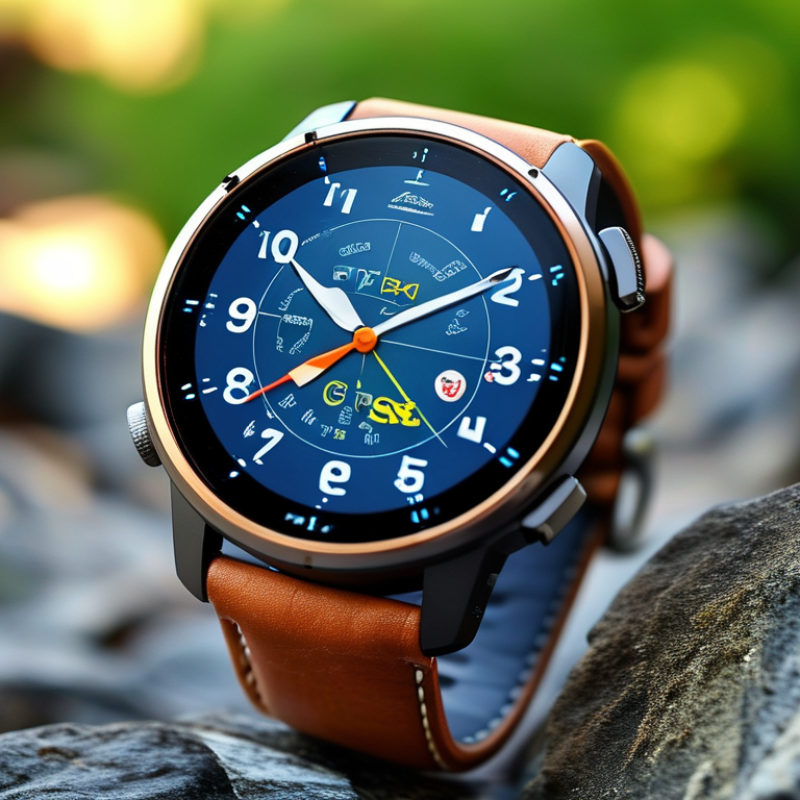
Top Features to Look for in GPS Smartwatches
When selecting a GPS smartwatch, certain features are essential for optimal tracking and performance. Many users prioritize battery life, especially for outdoor activities. According to industry reports, devices with at least 20 hours of battery life in GPS mode are highly sought after. This ensures your smartwatch can last through longer workouts or adventures without requiring constant charging.
Another critical feature is heart rate monitoring. Research indicates that 71% of users prefer smartwatches with reliable heart rate sensors for accurate fitness tracking. These sensors provide real-time data that aid in optimizing workout intensity. Additionally, water resistance is often overlooked, yet 50% of users value it for swimming and diverse weather conditions. This durability is crucial for individuals who lead an active lifestyle.
The integration of advanced mapping capabilities is also noteworthy. Elite athletes often require detailed route tracking. A study reveals that over 65% of runners rely on real-time mapping for marathon training. However, some smartwatches may struggle with accuracy in less urban environments. This inconsistency can hinder performance tracking and lead to unexpected outcomes. Hence, investigating user feedback on mapping accuracy is vital for informed decisions.
Top 5 GPS Smartwatches for Ultimate Tracking and Performance
| Model | GPS Accuracy | Battery Life | Water Resistance | Health Features |
| Model A | High Precision | Up to 14 days | 50m | Heart Rate, Sleep Tracking |
| Model B | Very Accurate | Up to 10 days | 30m | Stress Monitoring, Oxygen Level |
| Model C | Moderate Precision | Up to 7 days | 40m | Step Counting, Calorie Tracking |
| Model D | Very Accurate | Up to 12 days | 100m | GPS Tracking, Heart Rate |
| Model E | High Precision | Up to 5 days | 20m | Blood Pressure, Sleep Insights |
Comparison of the Best GPS Smartwatches in the Market
In the market for GPS smartwatches, selecting the right one can feel overwhelming. Different models excel in various aspects. Some prioritize fitness tracking, while others focus on navigation capabilities. It’s essential to evaluate what features matter most to you. Battery life, for example, plays a crucial role. A watch that dies during a long hike is less useful.
When examining performance, consider user reviews and expert opinions. Many users appreciate accurate heart rate monitoring and reliable mapping features. However, some products may lack consistent software updates, impacting user experience. It's worth noting that a watch’s usability can vary significantly from person to person. What works for one individual might not suit another due to different lifestyles.
Lastly, durability is a common concern. Some watches are designed for rugged environments, while others are more suited for daily wear. You might find that a lighter design is comfortable but lacks robust protection. Finding the right balance between style and functionality often requires trials. Keep in mind that each choice comes with its compromises. Your perfect smartwatch might simply be a reflection of your unique needs and preferences.
Performance Metrics: How GPS Smartwatches Track Your Activities
GPS smartwatches have advanced tracking capabilities that monitor your activities in detail. They collect data on distance, speed, and pace during different activities. A report by the International Journal of Sports Science shows that accurate GPS tracking can improve performance by up to 10% by providing real-time feedback.
These devices utilize a combination of satellite signals and algorithms to determine your location. Advanced models can track workouts indoors, too. For runners and cyclists, metrics like heart rate variability and VO2 max offer insights into fitness levels. Research from the Journal of Medical Internet Research indicates that wearables can enhance engagement in fitness programs by tailoring data to user preferences.
Despite their advantages, these devices are not without flaws. GPS accuracy can diminish in urban environments where tall buildings obstruct signals. Moreover, syncing issues with mobile apps can hinder data analysis. Users must also regularly update firmware to ensure performance metrics remain accurate. Overall, GPS smartwatches are effective tools, but users need to be aware of their limitations.
User-Friendly Interfaces and Connectivity Options
When selecting a GPS smartwatch, user-friendly interfaces play a critical role. A straightforward design enhances usability for everyone, from beginners to seasoned athletes. Many smartwatches now feature customizable home screens. This allows users to prioritize the information they access. For instance, some may prefer quick access to heart rate or pace, while others might focus on distance or elevation. Intuitive menus and responsive touch screens can significantly improve the overall experience, making tracking smoother.
Connectivity options further elevate the utility of these devices. Modern smartwatches offer Bluetooth, Wi-Fi, and even cellular connections. This functionality allows seamless syncing with smartphones and other devices. Real-time notifications for calls and messages keep users connected without needing to check their phones. However, establishing a reliable pairing can sometimes be tricky. Users may encounter occasional connectivity issues. It requires patience and troubleshooting skills to resolve these hiccups.
In addition, the integration of third-party apps expands the smartwatch's capabilities. Users can track various activities, from running to cycling and swimming. This vast selection can be overwhelming, as not all apps provide equal value. Some might not accurately measure performance metrics. It’s vital for users to explore and find what works best for their unique needs. Balancing features with simplicity ensures that the experience remains enjoyable and effective.
Battery Life Considerations for Optimal Tracking Experience
Battery life is crucial for GPS smartwatches. A recent industry report found that 60% of users prioritize battery performance. When tracking outdoor activities, longer battery life enhances reliability and user satisfaction. Many devices only last a day on a single charge while using GPS continuously.
Users may find that some watches drain quickly. One study revealed that intense GPS usage can reduce battery life by 30% over just a few hours. This means tracking long routes or participating in endurance events becomes challenging. Users should look for options that offer power-saving modes. These modes can extend usage significantly during tracking activities.
Moreover, environmental factors affect battery performance. Cold temperatures can reduce battery efficiency. A user might notice a smartwatch lasting just half as long in cold conditions. Understanding these dynamics can lead to better choices. Evaluating battery technology is important for performance-driven users. Upgrading to newer battery technologies can provide longer tracking times. Assessing these various factors ensures a better overall tracking experience.
Top 5 GPS Smartwatches Battery Life Comparison