2026 Top Fire Door Regulations You Need to Know?
In the evolving landscape of building safety, understanding fire door regulations is crucial. Fire doors play a vital role in preventing the spread of fire. As safety expert John Smith states, "Fire door regulations are not just guidelines; they are a necessity for protection." This underscores the importance of compliance in every building project.
As we head into 2026, staying updated on fire door regulations is essential for architects, builders, and property owners. The latest standards can be intricate, often leading to confusion. It’s not uncommon for mistakes to happen. A single overlooked detail can compromise safety.
Implementing the necessary regulations effectively can be challenging. Many assume their fire doors meet standards without thorough checks. Over time, this negligence could lead to serious consequences. Awareness and education are key. Everyone involved in construction and building management must remain diligent in understanding these critical regulations.
Overview of Fire Door Regulations in 2026
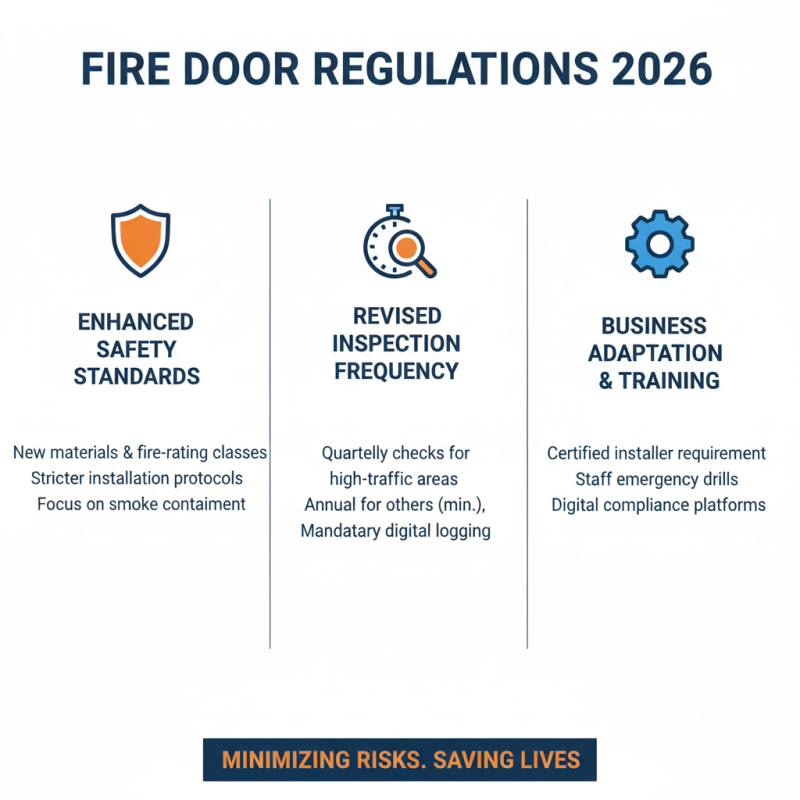
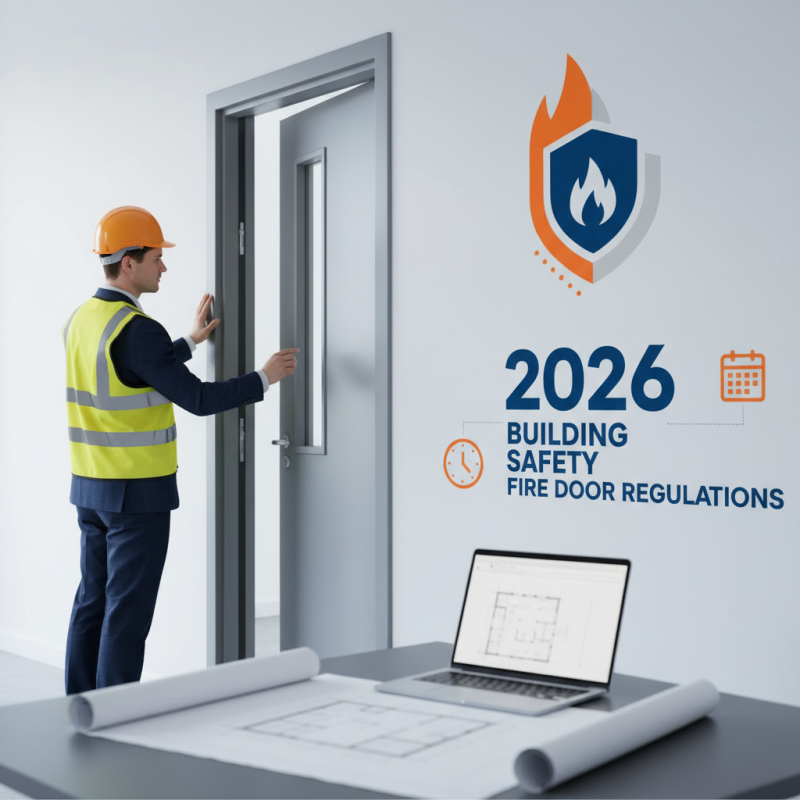
Fire doors are critical components of building safety. Regulations surrounding their installation and maintenance are evolving. In 2026, several key guidelines will influence how fire doors are managed. These changes aim to enhance safety and minimize risks during emergencies. Regular inspection is still essential, but the frequency may change. Businesses need to adapt.
The materials used for fire doors are also scrutinized. More emphasis is placed on sustainable options. This shift may challenge some traditional practices. Testing must meet updated standards. Awareness of these regulations remains crucial for both manufacturers and building managers. Many still lack full understanding of requirements.
Training for staff on fire door compliance is often overlooked. It's important to engage employees. They are the first line of defense. Inadequate training could lead to dire consequences. Organizations must prioritize education to meet new regulations. Reflection on current practices is necessary for improvement. Updating policies can make a significant difference in safety.
Key Changes in Fire Door Standards and Code Compliance
Fire doors play a crucial role in enhancing building safety. In 2026, several key changes in fire door standards will shape compliance requirements. The updated regulations emphasize better testing practices for materials used. These improvements aim to minimize risks during fires.
One of the significant changes includes stricter guidelines on installation. Proper alignment is essential. Misalignment can reduce the door's effectiveness. Ensure that fire doors swing and close smoothly. This small detail significantly impacts overall safety.
Tips: Regular inspections are vital. Check the doorframes for gaps. A gap can allow smoke to pass through. Ensure door seals are intact. Replace worn-out components immediately to maintain compliance. Regular maintenance not only saves lives, but also aligns with new regulations. Always keep fire doors accessible. Blocked exits can lead to dangerous situations during emergencies.
2026 Fire Door Compliance Standards Overview
Essential Features of Fire Doors as per Latest Regulations
Fire doors play a critical role in building safety. They are designed to prevent the spread of smoke and flames during a fire. Understanding the latest regulations for fire doors is essential for compliance and protection. The 2026 regulations highlight key features that all fire doors must have. For instance, fire doors must be manufactured with certified materials like steel or treated wood. These materials enhance durability and fire resistance.
Another important aspect is the door's self-closing mechanism. Fire doors should close automatically and securely to limit fire spread. Proper installation also matters. Gaps around the door should be minimal, ensuring a tight seal. However, some installations may not meet these standards. This can lead to serious safety issues. Frequent inspections are necessary to maintain door effectiveness.
Lastly, fire doors should always be kept unobstructed. Obstructions reduce their efficacy during emergencies. It's easy to forget this simple rule, but the consequences can be dire. Overall, being aware of these essential features and regulations is crucial for any property owner or manager. Regular training for all staff can reinforce the importance of maintaining fire doors properly.
Importance of Fire Door Maintenance and Inspection
Fire doors serve a crucial role in protecting lives and property during a fire. Regular maintenance is essential to ensure these barriers function correctly. According to the National Fire Protection Association (NFPA), nearly 60% of fire-related fatalities occur in buildings lacking adequate fire safety measures. This statistic emphasizes the significance of maintaining and inspecting fire doors.
Fire doors must be inspected at least once a year. Reports indicate that many organizations fail to adhere to this schedule. A study found that about 30% of fire doors are inoperative at the time of inspection. Routine checks help identify issues like misalignment, damaged seals, and defective closing mechanisms. Each of these problems can compromise the door's effectiveness during a fire.
Implementing a thorough inspection plan is critical. Simple actions can prevent dangerous outcomes. Organizations often overlook minor repairs, assuming they are unnecessary. This mindset can lead to greater issues, such as complete door failure when needed most. As fire safety regulations evolve, staying informed about the latest requirements is prudent for all building owners and managers.
Impact of Fire Door Regulations on Building Safety Practices
Fire door regulations play a critical role in enhancing building safety. These laws ensure that fire doors are properly installed and maintained. A fire door acts as a barrier, containing flames and smoke. This significantly reduces the risk of fire spreading through a building. Proper installation means choosing the right materials and ensuring they fit securely.
Regular inspections are necessary. Building staff often overlook this important step. A small gap can render a fire door ineffective. Audits should occur frequently, but they often fall on the back burner. This negligence can have severe consequences in emergencies. Training staff about the importance of fire doors is crucial. Awareness and education can save lives.
Compliance is not just a legal obligation. It fosters a culture of safety. Buildings that prioritize fire door regulations demonstrate their commitment to occupant safety. However, many still treat it as a checkbox exercise. The mentality of “it can’t happen here” must change. Reflecting on fire safety practices encourages improvement and accountability.
2026 Top Fire Door Regulations You Need to Know
| Regulation |
Description |
Impact on Building Safety |
Compliance Deadline |
| NFPA 80 |
Standard for Fire Doors and Other Opening Protectives. |
Ensures fire doors are installed and maintained properly to prevent fire spread. |
December 31, 2025 |
| International Building Code (IBC) |
Regulations for the design and construction of buildings. |
Improves overall safety in buildings by enforcing necessary fire protection measures. |
Ongoing |
| California Fire Code (CFC) |
Specific regulations for fire safety in California. |
Aims to protect life and property from fire-related hazards. |
January 1, 2026 |
| AS 1905.1 |
Part of Australian Standards for fire doors. |
Ensures fire doors are effective barriers against fire and smoke. |
July 1, 2026 |
| UL 10C |
Fire Tests of Door Assemblies. |
Sets performance standards to ensure fire doors function as intended. |
September 30, 2025 |