Top 10 Electric Flatbed Truck Models for Global Buyers?
The demand for Electric Flatbed Truck models is surging globally. These trucks offer a sustainable alternative to traditional models, reducing emissions and fuel costs. Many companies are prioritizing green technologies in their fleets. Electric flatbed trucks can handle various loads, making them versatile for different industries. However, buyers need to consider specific features such as battery range, load capacity, and charging infrastructure.
In recent years, manufacturers have introduced innovative designs to meet market needs. Yet, not all models perform equally. Some may lack in payload capacity, while others might fall short in battery life. It’s crucial to assess these aspects thoroughly. Understanding the nuances of electric truck models can guide buyers toward making informed decisions. The right choice can lead to significant operational savings and enhanced productivity.
Investing in an electric flatbed truck is a step toward modernization. Buyers must weigh the pros and cons carefully. The evolving technology landscape in electric vehicles means constant improvements. Keeping up with the latest models ensures long-term benefits. This guide highlights the top ten electric flatbed truck models currently available, aimed at assisting buyers in making the best selection for their needs.
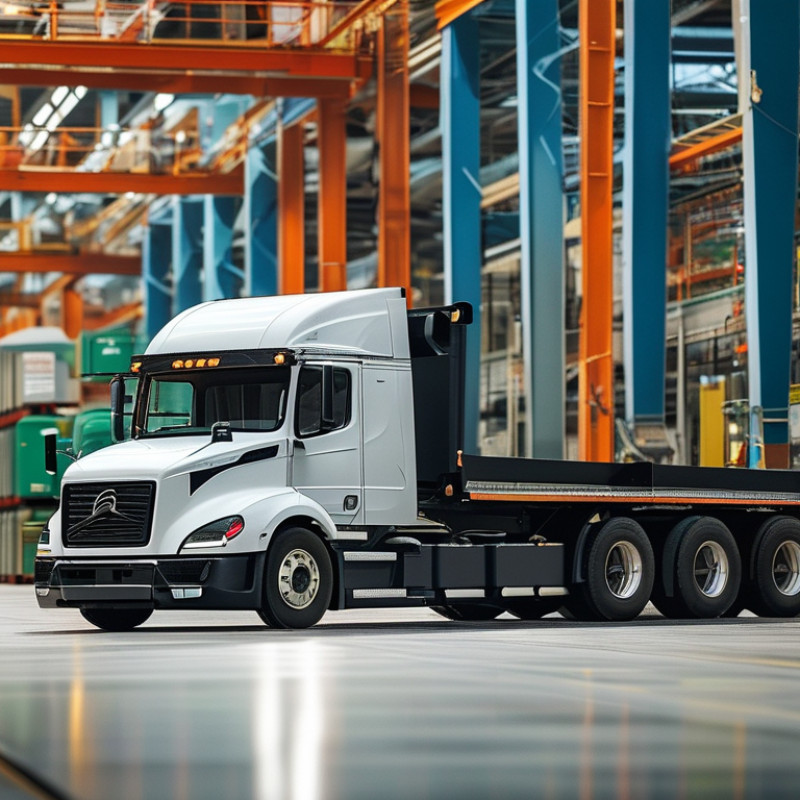
Top 10 Electric Flatbed Truck Models for Global Buyers: An Overview
The global shift towards sustainable transport is evident in the rising demand for electric flatbed trucks. These vehicles play an essential role in industries ranging from logistics to construction. Their ability to transport heavy loads while minimizing environmental impact is increasingly appealing to businesses today.
Several electric flatbed truck models stand out for their advanced features and practicality. These trucks often boast impressive load capacities and extended range. Some models can cover over 200 miles on a single charge, enabling long-haul operations. Charging infrastructure is also improving, making it easier for operators to recharge their vehicles during the day.
However, not all models are perfect. Some may lack the desired range or face challenges in steep terrains. Buyers must reflect on their specific needs and usage patterns. Understanding the available options and potential limitations is crucial for making informed decisions. Overall, the market for electric flatbed trucks continues to evolve, with innovation pushing boundaries.
Trends in Electric Flatbed Truck Adoption and Market Growth Projections
The electric flatbed truck market is experiencing significant growth. This comes from rising environmental concerns and advancements in battery technology. More companies are adopting electric vehicles to reduce carbon footprints. Governments are also pushing for cleaner transportation options.
Currently, various regions witness an increase in electric truck adoption. Urban logistics is a key area, where delivery efficiency and sustainability are crucial. However, challenges remain. Infrastructure for charging and maintenance is still developing in many places. Some fleet operators express concerns about range limitations and upfront costs. These issues need addressing for widespread acceptance.
Despite these hurdles, market projections remain positive. The trend towards electrification indicates a shift in consumer preferences. As technology evolves, trucks will become more efficient and affordable. Industry experts expect the electric flatbed segment to expand. The future holds promise, but there’s a long road ahead.
Comparative Analysis of Performance Metrics for Electric Flatbed Trucks
As the demand for sustainable transportation increases, electric flatbed trucks are capturing attention worldwide. These vehicles offer promising performance metrics that cater to various industries. A recent report from the International Council on Clean Transportation indicates that electric trucks can reduce CO2 emissions by 73% compared to their diesel counterparts, showcasing their significant environmental advantages.
When examining performance metrics, aspects like range, payload capacity, and charging time become crucial. Many electric flatbed trucks currently on the market offer ranges between 100 to 250 miles on a single charge. This distance may be adequate for urban deliveries but raises concerns for long-haul applications. Also, payload capacities are often lower than traditional trucks. This could impact logistics strategies where heavy loads are common.
Tips: Always evaluate the charging infrastructure in your area. Long charging times can hinder operational efficiency. Consider the total cost of ownership, including maintenance, and potential savings on fuel.
Another key area needing attention is charging solutions. Fast charging technology is evolving, but not all electric flatbed trucks support it. Operators must verify compatibility with available charging stations. Additionally, fluctuating energy prices may affect operational budgets unforeseen. While these trucks present innovative solutions, careful planning and constant reevaluation of performance metrics are essential for optimal use.
Sustainability Impact: Emissions Reduction in Electric Flatbed Truck Use
The shift towards electric flatbed trucks has significant implications for emissions reduction. Data from the International Energy Agency shows that transportation accounts for nearly 24% of global CO2 emissions. Electric vehicles (EVs) can reduce these emissions by up to 70% compared to traditional diesel trucks. The adoption of electric flatbed trucks within fleets is increasingly seen as a viable solution to combat climate change.
A study by the U.S. Department of Energy highlighted that every electric truck can potentially save over 20,000 pounds of CO2 emissions annually. This is a substantial contribution, especially with the increasing demand for goods transportation. However, the challenge remains in charging infrastructure. Limited access to charging points can hinder the widespread adoption of electric flatbed trucks.
Additionally, while electric trucks offer lower operating costs and better energy efficiency, the battery production process poses environmental concerns. Mining for lithium and cobalt, essential for batteries, can result in ecological damage. Therefore, while the sustainability impact of electric flatbed trucks is promising, it warrants careful consideration. The industry must balance emissions reductions with the environmental footprint of battery production.
Global Supply Chain and Infrastructure Challenges for Electric Trucks
Electric trucks are gaining traction in the logistics industry. However, global supply chain and infrastructure challenges persist. These challenges can hinder widespread adoption. Limited charging stations create bottlenecks for electric flatbed trucks. Many regions lack the necessary infrastructure to support efficient operations. As companies consider expanding their fleets, they must evaluate these limitations.
Tips: Focus on the areas with better charging networks. Research local infrastructure before making investments. This can lead to smoother transitions to electric models. Consider partnering with local governments to advocate for more charging stations.
In addition, battery technology plays a crucial role. Many electric truck models still face range anxiety. This concern makes potential buyers hesitant. They fear their investments won't meet operational demands. Supply chain disruptions can also delay the delivery of components needed for these electric trucks. Without reliable sources, production can slow down.
Tips: Stay updated on recent technological advancements. This can help buyers make informed decisions. Engage with industry experts to understand future trends. Preparing for changes can keep fleets adaptable and effective.