2026 Top Dual Source Work Light for Global Buyers?
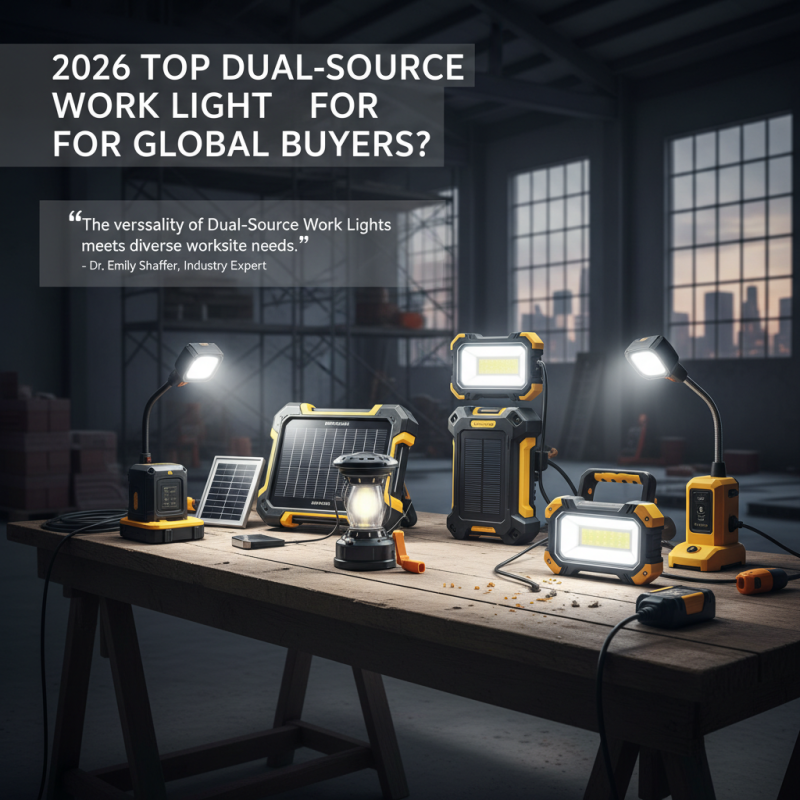
In the rapidly evolving world of lighting technology, the demand for Dual-Source Work Light is on the rise. Industry expert Dr. Emily Shaffer emphasizes, "The versatility of Dual-Source Work Lights meets diverse worksite needs." Her insights resonate with many global buyers seeking reliable lighting solutions.
As construction and maintenance projects become more complex, lighting innovation is crucial. Dual-Source Work Lights offer practical solutions by combining different power sources. This adaptability not only enhances efficiency but also promotes safety in various environments. However, with the plethora of options available, buyers often face confusion when selecting the right product.
The importance of understanding specific lighting requirements cannot be overstated. Factors such as brightness, portability, and battery life matter significantly. While some products may excel in one area, they often fall short in another. Reflecting on these trade-offs is essential for making informed purchasing decisions. Only through careful consideration can buyers find the perfect Dual-Source Work Light to fit their unique needs.
Overview of Dual Source Work Lights: Definition and Features
Dual source work lights are versatile lighting solutions designed for various applications. They typically operate using two power sources: battery and electricity. This dual functionality ensures that users can rely on them in different environments, whether working indoors or outdoors. Commonly used in construction, emergency response, and outdoor events, they offer flexibility and adaptability.
One key feature of these lights is their portability. Many models are lightweight and easy to transport. This is beneficial for workers who need to move frequently in various settings. Additionally, they often come with adjustable brightness settings. This allows users to customize the light output based on the task at hand. However, some users report that battery life can be inconsistent. This raises questions about long-term reliability and dependability.
Safety features are also notable in dual source work lights. Many include built-in cooling systems or protective casings to prevent overheating. This contributes to a safer working environment. Still, not all products may meet high safety standards. Buyers should carefully evaluate specifications before making a purchase. It’s essential to balance features with quality for optimal performance.
2026 Top Dual Source Work Light Features
Market Trends in Work Lights: A Focus on Dual Source Options
The demand for dual source work lights is on the rise. Many industries are shifting towards these versatile lighting options. They provide the flexibility of choosing between battery power and AC input. This adaptability is crucial for professionals who work in varied environments.
Market trends indicate that users are looking for efficiency and durability. Dual source lights can be used during power outages or in remote locations. This flexibility enhances productivity and safety on job sites. Features such as adjustable brightness and portability are becoming essential.
Tips: When selecting a dual source work light, consider the weight and ease of use. A lightweight design can make a significant difference during long hours of work. Check the battery life; a longer duration ensures you won't be left in the dark unexpectedly.
Alongside functionality, users should reflect on the importance of light quality. LED technology offers bright, clear illumination, but be wary of products that compromise on this. Quality assurance should be a priority. Always consult reliable sources and user reviews before making a decision.
Key Factors to Consider When Selecting Dual Source Work Lights
When selecting dual-source work lights, consider brightness and power options. A bright light can enhance visibility in low-light environments. Look for lights that offer both battery power and AC power options. This flexibility allows for use in various locations without compromising brightness.
Durability is essential. Many work environments are harsh, so lights should withstand drops and moisture. Check materials for weather resistance and shockproof features. Long-lasting construction can save costs over time.
Portability is another critical factor. A lightweight design makes it easier to transport and position the light. Some models have built-in handles or hooks for hanging. This feature can facilitate hands-free use, providing crucial light right where it's needed. Reflect on whether your choice can adapt to different work situations and meet your specific lighting needs.
Top Brands and Models of Dual Source Work Lights in 2026
In 2026, the demand for dual source work lights continues to rise. This increase is driven by their versatility in various industries, from construction to emergency services. Industry reports indicate a projected annual growth rate of around 5% for work light sales, reflecting their essential role in ensuring safety and productivity on job sites.
Leading brands focus on innovation. Dual source work lights, which can operate on both battery and AC power, provide flexibility. Studies show that models featuring LED technology offer up to 80% energy savings compared to traditional lights. Features like adjustable brightness, lightweight designs, and rugged durability enhance their appeal. Many users appreciate these lights for their ease of use in diverse conditions.
Tip: When choosing a work light, consider the beam angle and battery life, as these factors impact visibility and operational efficiency.
While many options are available, not all dual source work lights meet high standards. Consumers should look for products with positive reviews and reliable warranty guarantees. Not every model provides optimal performance under all conditions. Testing different brands before committing could yield better choices for specific needs.
Tip: Always assess power requirements based on task duration to avoid unexpected downtime.
Global Buyers' Insights: Reviews and Recommendations for Best Choices
When choosing a dual source work light, global buyers face various decisions. Analyzing the needs of the workspace is crucial. For instance, consider the brightness levels necessary for your tasks. A higher lumen output often means better visibility. However, too much light can create glare. Balancing brightness with comfort is essential in any setting.
Another factor is portability. Some lights are lightweight and easy to transport. This makes them ideal for jobs that require moving around frequently. Yet, compact designs may compromise battery life. Lengthy usage should be considered against the need for mobility. Finding a product that offers a practical compromise is a common challenge buyers encounter.
Durability also matters significantly. Many work lights claim to be weather-resistant. However, real-world testing reveals mixed results. Users often report problematic seals and shortcomings under heavy rain. Reliability in tough conditions is critical for outdoor tasks. Buyers must weigh the pros and cons before making a decision. Taking the time to assess these features can lead to better choices.