Top 10 Custom Private Label Shoes for Global Buyers?
In the ever-evolving world of fashion, "Custom Private Label Shoes" have become a focal point for global buyers. Experts like Jonathan Green, a renowned footwear industry consultant, emphasize, "The market for custom shoes is thriving and offers vast opportunities." This sentiment reflects the growing demand for personalized products that cater to unique consumer needs.
Manufacturers are tapping into diverse styles, materials, and cultural influences. Global buyers seek customizable options that reflect their brand identity. However, the landscape is not without its challenges. Sourcing quality materials while maintaining cost-effectiveness is crucial. Brands must navigate the balance between innovation and practicality.
The appeal of "Custom Private Label Shoes" lies in their potential for differentiation. Yet, as buyers explore options, they should remain cautious. Not every manufacturer meets the high standards required for quality footwear. Understanding the nuances of this industry can steer buyers towards better decisions.
Top 10 Custom Private Label Shoes: Market Trends and Insights
The custom private label shoes market is evolving rapidly, driven by changing consumer preferences. In 2022, the global market size was valued at approximately $25 billion. Analysts predict it will grow to around $40 billion by 2030. This significant increase indicates a promising landscape for businesses catering to global buyers.
Sustainability is a major trend influencing this market. Over 70% of consumers prefer eco-friendly materials. Brands that prioritize sustainable practices are gaining a competitive edge. However, not all producers meet these expectations. Transparency in sourcing and production can be a challenge. Many companies still struggle with verifying their material origins.
Customization is also key. Around 60% of consumers desire personalized designs. This demand creates opportunities for brands to differentiate themselves. Yet, managing production quality while offering customization can be complex. The balance between creativity and practicality is essential for success in this dynamic market.
Key Factors Influencing Buyer Preferences in Custom Shoe Markets
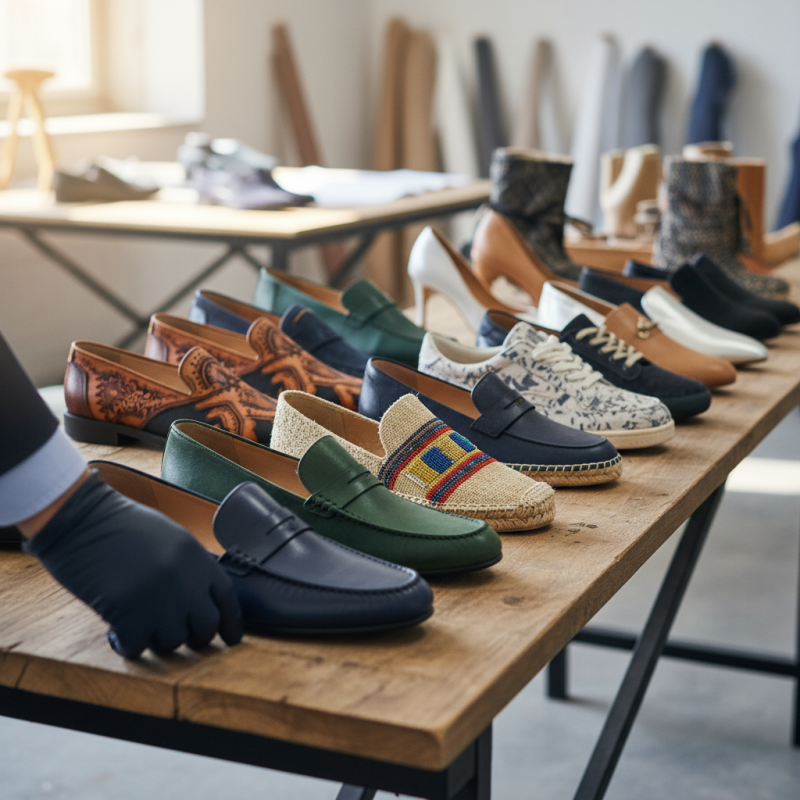
When exploring custom private label shoes, several key factors shape buyer preferences. Quality and craftsmanship stand out. Buyers look for durable materials that ensure longevity. Handcrafted options often attract those valuing artistry. Many buyers want to see a tangible demonstration of this craft.
Another significant factor is style. The market is diverse, with bold designs and understated classics each having their own appeal. Buyers often find themselves torn between making a statement or seeking versatility. Color and customization options play a vital role, allowing individuals to express their identity.
Pricing is equally crucial. Some buyers appreciate premium products, while others seek affordability. This creates a challenge for manufacturers aiming to balance quality and cost. Furthermore, the rise of sustainable materials has influenced many buyers. They are increasingly conscious of environmental impacts. This preference for eco-friendly options can complicate traditional production processes. Buyers sometimes question whether the investment is worth the change. The complexity of these factors reflects a dynamic market.
Top 10 Custom Private Label Shoes for Global Buyers
| Shoe Type | Material | Customization Options | Price Range | Minimum Order Quantity | Average Production Time |
| Athletic Shoes | Mesh & Rubber | Color, Size, Logo | $50 - $120 | 100 pairs | 4 - 6 weeks |
| Casual Sneakers | Canvas & EVA | Print, Color, Laces | $30 - $90 | 200 pairs | 3 - 5 weeks |
| Dress Shoes | Leather & Suede | Color, Size, Material type | $70 - $200 | 50 pairs | 6 - 8 weeks |
| Sandals | PU & Rubber | Strap Design, Color | $20 - $50 | 250 pairs | 2 - 4 weeks |
| Boots | Leather & Textile | Color, Height, Lining | $80 - $250 | 100 pairs | 6 - 8 weeks |
| Slippers | Fleece & Rubber | Color, Size | $15 - $35 | 300 pairs | 1 - 3 weeks |
| Running Shoes | Mesh & Synthetic | Color, Size, Insole | $60 - $150 | 150 pairs | 4 - 6 weeks |
| Winter Boots | Insulated Fabric & Rubber | Color, Size, Insulation | $90 - $220 | 80 pairs | 6 - 10 weeks |
| High-Top Sneakers | Leather & Suede | Color, Height, Logo | $70 - $180 | 100 pairs | 5 - 7 weeks |
| Beach Footwear | Waterproof Material | Color, Size | $10 - $25 | 500 pairs | 2 - 3 weeks |
The Role of Quality and Design in Private Label Shoe Success
When it comes to private label shoes, quality and design are crucial factors that influence success. Buyers today seek unique styles combined with durability. A shoe’s appeal lies in its craftsmanship and the materials used. Quality control is vital. Poorly made shoes can damage a brand’s reputation quickly.
Incorporating trendy designs can draw attention. Buyers often favor innovative patterns or color combinations. However, simplicity can also be attractive. Striking a balance between artistic flair and practicality is essential.
Tips for Success: Always conduct market research. Understand customer preferences and emerging trends. Testing products before launch is advisable. Gathering feedback helps refine designs and improve quality.
Quality assurance processes should not be overlooked. Thorough testing for comfort and durability is a must. Shoes that look good but do not perform well will lead to returns. Emphasis on user experience ensures more satisfied customers.
Remember, each design should reflect the brand's identity. Establish clear standards for both quality and aesthetics. Small missteps in design or material choice can lead to lost opportunities. Aim for consistent evolution based on feedback and market trends.
Analyzing Regional Demand for Custom Shoes Among Global Buyers
The demand for custom private label shoes is growing worldwide. Buyers from different regions display unique preferences. In North America, fashion trends drive the need for stylish designs. In contrast, European markets emphasize sustainability and ethical sourcing. These regional variations influence production methods and materials used in custom shoes.
In Asia, there is a rising interest in personalization. Consumers want shoes that reflect their individuality. This trend invites manufacturers to explore new technologies for customization. However, navigating these diverse demands can be challenging. Some manufacturers struggle to keep up with quick shifts in consumer preferences. They must balance quality and cost-effectiveness while targeting different markets.
Moreover, the online shopping experience has changed buyer behavior. Customers expect seamless service, which adds pressure to brands. It’s essential for businesses to focus on customer feedback. Adapting to regional demands while maintaining reliability is key. This is not just about creating shoes; it’s about understanding a global narrative in fashion.
Top 10 Custom Private Label Shoes for Global Buyers
Future Growth Predictions for Custom Private Label Footwear Industry
The custom private label footwear industry is experiencing significant growth. According to the Global Footwear Market report, the sector is expected to reach $320 billion by 2027, with a CAGR of 5.5% from 2023 to 2027. This highlights the appeal of personalized products for consumers who desire uniqueness in their footwear choices.
Emerging markets show increasing interest in private label options. A recent survey indicated that 65% of urban consumers prefer custom designs over mass-produced alternatives. This shift is not just about style; it reflects a growing demand for personal expression and individuality in fashion. Many companies are rushing to meet these expectations, yet not all are prepared. Quality control and ethical production practices are crucial but often overlooked. Addressing these areas can pose challenges for those entering the market.
Additionally, technology continues to reshape the industry. Advanced manufacturing techniques, such as 3D printing, allow for quicker production cycles. However, reliance on these technologies can lead to overproduction and waste if not managed carefully. Buyers and manufacturers must adapt continually, ensuring alignment with consumer desires while maintaining sustainability and ethical standards.