Essential Tips for Choosing the Right Construction Tarpaulin?
Choosing the right Construction Tarpaulin can be challenging. With various options available, understanding your specific needs is crucial. Construction tarpaulins are essential for protecting materials and equipment on job sites. They provide shelter from rain, sun, and wind.
When selecting a construction tarpaulin, consider factors like durability and weather resistance. Look for tarpaulins made from high-quality materials that can withstand harsh conditions. Countless options exist, but not all are created equal. Each type serves different purposes, so being precise in your choice is vital.
Some tarpaulins might seem affordable but may lack the necessary quality. Researching reputable brands can save you time and money in the long run. Furthermore, ensure the tarpaulin's size fits your project requirements. A poorly fitting tarpaulin could lead to exposure and damage. Reflecting on these factors will lead to a more informed decision.
Understanding Construction Tarpaulins and Their Uses
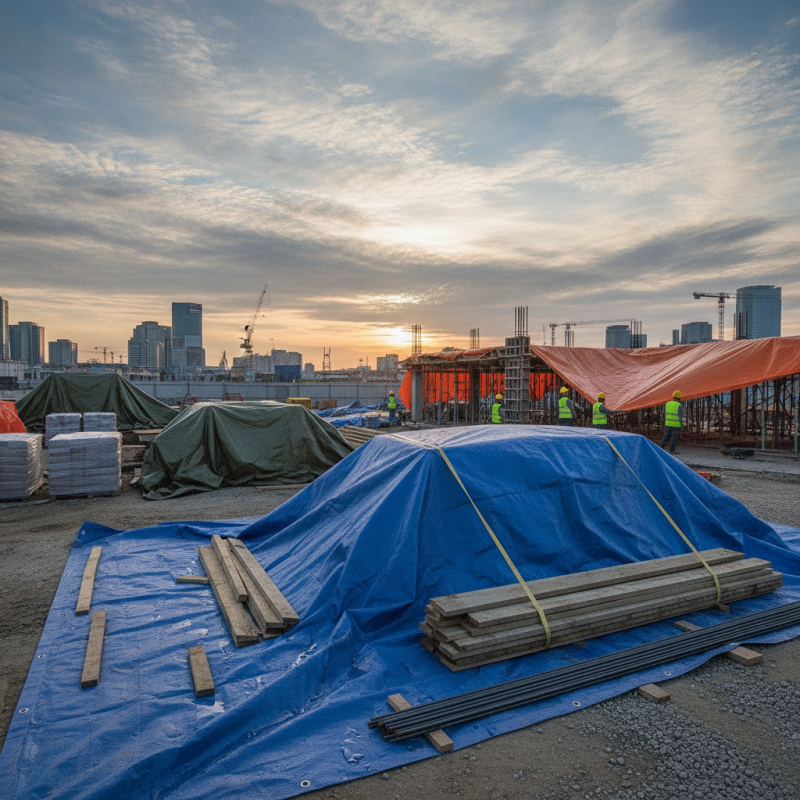
Construction tarpaulins are essential tools in the building industry. They provide protection against weather elements, such as rain, wind, and sun. These heavy-duty covers are often used to safeguard materials, equipment, and even workers at construction sites. Understanding the various types of tarpaulins and their uses can help you make informed decisions.
Different projects require different tarpaulins. Some are designed for temporary cover, while others are more durable for long-term use. For instance, a lightweight tarp can be ideal for quick jobs, but it may not hold up against strong winds. Heavy-duty tarps offer better strength but can be cumbersome. Each option has its trade-offs. Pay attention to the material and weight before making a choice.
Proper installation is another often overlooked aspect. A poorly secured tarp can become a hazard during storms. Regular checks can mitigate issues like tears or loose fittings. Remember, investing time in understanding tarpaulins can save costs in the long run. Reflect on your specific needs and make choices that align with those requirements.
Essential Tips for Choosing the Right Construction Tarpaulin
| Feature | Description | Importance |
| Material | Polyethylene, canvas, PVC, and vinyl are common materials. | Choosing the right material affects durability and weather resistance. |
| Size | Available in various sizes to fit different applications. | Proper sizing ensures full coverage and effectiveness. |
| Weight | Tarpaulins are available in different weights, impacting portability and strength. | Heavier tarps are more durable but less portable. |
| UV Resistance | Some tarps are treated for UV protection. | UV resistance prolongs the lifespan of the tarp in sunlight. |
| Waterproofing | Check for waterproof ratings and seals. | Waterproof tarps prevent moisture damage. |
| Grommets | Look for reinforced grommets for secure tie-downs. | Increases functionality for securing the tarp. |
Factors to Consider When Selecting Construction Tarpaulins
Choosing the right construction tarpaulin involves several critical factors. Consider the material's strength and durability first. Different projects demand various levels of protection. For instance, heavy-duty tarpaulins may be essential for covering equipment and materials exposed to harsh weather. Lightweight options may suffice for indoor use or short-term applications.
Another crucial factor is the size. Measure the area needing coverage accurately. An ill-fitting tarpaulin can lead to leaks or inadequate protection. Look for effective fastening systems as well. Grommets, ropes, or clips can enhance the tarp's stability, especially in windy conditions. Reflect on past experiences; a poorly secured tarpaulin can be frustrating and costly.
Lastly, consider the UV resistance of the material. Tarpaulins often face prolonged sun exposure. Choosing a UV-resistant option can prolong its lifespan. Think about your project's specific needs as well; sometimes, investing in a higher quality tarp is worth it. Balancing cost and quality can be challenging, but it ultimately impacts the project's success.
Material Types: Choosing the Right Fabric for Your Needs
When selecting a construction tarpaulin, choosing the right material is crucial. The options vary widely, each with unique advantages. According to industry reports, PVC and polyethylene are the most common materials used. PVC is known for its durability and resistance to UV rays, making it ideal for long-term outdoor use. On the other hand, polyethylene is lightweight and water-resistant, suitable for short-term projects.
Consider the environment where the tarpaulin will be used. For example, if it’s exposed to harsh weather, opt for heavier fabrics. A 2022 industry survey indicated that 70% of professionals prefer polyethylene for temporary covers due to its cost-effectiveness and versatility.
Tip: Always check the tarpaulin's weight and thickness. A heavier tarp usually indicates better durability. Be mindful of your specific needs. If your project involves heavy machinery or sharp objects, a reinforced material might be necessary. Reflecting on your requirements can lead to better choices and avoid unnecessary waste.
Evaluating Size and Coverage for Maximum Protection
Choosing the right size for your construction tarpaulin is crucial. A tarp that is too small won't provide adequate coverage. Conversely, an oversized tarp can be cumbersome to manage and may not fit well with your setup. Measure your area carefully before making a selection. This step saves time and prevents potential issues later.
Coverage is another vital factor. Your tarpaulin should cover all exposed areas. Think about the environment, too. Consider wind, rain, and debris. These elements can affect the effectiveness of your tarp. It’s essential to account for these variables to ensure maximum protection.
Sometimes, people underestimate the importance of these details. They may rush their choice. This can lead to oversights, resulting in inadequate protection. Reflecting on this process can help. Evaluate the specific needs of your project. Take your time. A well-chosen tarpaulin can make a significant difference in your construction project.
Durability and Weather Resistance: Key Features to Look For
When selecting a construction tarpaulin, durability and weather resistance are critical features. According to recent industry reports, high-quality tarpaulins can withstand harsh conditions and last for several years. For instance, tarps made from heavy-duty polyethylene (PE) offer superior tensile strength and puncture resistance. These materials typically have a tear strength ranging from 200 to 500 deniers, providing excellent protection against unexpected weather events.
UV resistance is another important factor. Exposure to sunlight can deteriorate tarpaulins over time. A recent study indicates that UV-stabilized tarps can maintain structural integrity up to 30% longer than non-stabilized alternatives. Look for tarps with a UV protection rating of 50+ for maximum efficiency. Stitches are also vital; reinforced seams can enhance durability, especially in strong winds. Identify tarps with double-stitched seams for added reliability.
Additionally, consider the water resistance of the material. A waterproof tarpaulin will prevent rain from soaking through, which is crucial for outdoor projects. Ratings should indicate water columns in millimeters; a rating of at least 1,500 mm is generally effective for construction use. Quality tarps balance strength, weatherproofing, and usability. Reflect on how your choice impacts project timelines and costs. Consider how even a small leak can disrupt work, leading to delays.
Durability and Weather Resistance of Construction Tarpaulins