Essential Tips for Choosing the Best Child Car Seat?
Choosing the right Child Car Seat is crucial for your child's safety during travel. Many parents feel overwhelmed by the options available. This decision can impact your child’s well-being, both on the road and in emergencies.
When searching for a Child Car Seat, consider the age and weight of your child. There are various types, such as rear-facing, forward-facing, and booster seats. Each serves a specific purpose and age group. It's essential to understand that what works for one child may not be suitable for another. Sometimes, parents choose based on price or style, but safety should always come first.
Examine safety ratings and features, like side-impact protection. Don't forget to check for installation ease, which can often be a challenge. If not installed properly, even the best Child Car Seat won’t provide adequate protection. Reflect on your choices and ensure that your decision is informed, as some small mistakes can lead to significant risks.
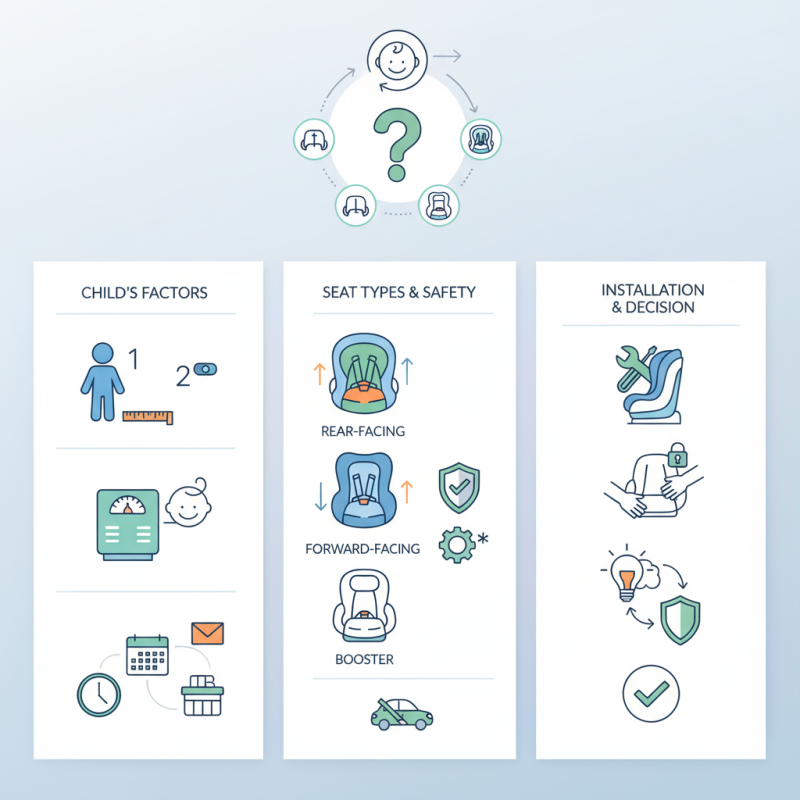
Understanding the Different Types of Child Car Seats: An Overview
When selecting a child car seat, understanding the various types is crucial. There are three main categories: rear-facing, forward-facing, and booster seats. According to the American Academy of Pediatrics, children should remain in rear-facing seats until at least age two or until they reach the maximum height and weight limit for the seat. This position provides the best protection for young, vulnerable bodies.
Forward-facing seats are suitable for older toddlers, transitioning typically around age two. Research indicates that these seats are designed to withstand frontal crashes better than rear-facing ones but may still pose risks. Interestingly, many parents switch to booster seats too early, which can compromise safety during a sudden stop. A study revealed that children aged four to seven years are 45% safer in booster seats compared to using standard adult seat belts.
Booster seats offer a critical role in ensuring that seat belts fit properly on children. However, guidelines suggest that children should use them until they are at least 4 feet 9 inches tall. Unfortunately, many parents fail to adhere to these recommendations, leading to inadequate safety measures. It's a reminder that while car seats save lives, misuse or premature transitions can negate their effectiveness. Awareness and education are key to improving child safety on the road.
Key Safety Standards for Child Car Seats: What Parents Should Know
When it comes to child car seats, safety is the top priority. Various safety standards exist to ensure protection during travels. Understanding these standards can be overwhelming. However, it's essential for every parent.
Look for seats that meet or exceed regulations. The United States has specific guidelines that manufacturers must follow. This includes strength tests for the frame and harness systems. Choosing a seat that has passed crash tests is vital. Many parents overlook this aspect in their selection process. Prioritize seats with added side-impact protection. These features can significantly reduce injury risk in an accident.
Read the instruction manual thoroughly before installation. Many parents improperly install car seats, which is concerning. A secure fit is crucial for safety. Regularly check the harness for snugness. It's easy to forget this step, especially in a rush. As children grow, adjust the seat accordingly. The right placement can make all the difference. Research shows that parents who stay informed make wiser choices. Take the time to educate yourself, as it may save a life.
Age and Weight Guidelines: Choosing the Right Seat for Your Child
When it comes to child car seats, age and weight guidelines are crucial. Every child is unique, and their needs vary. Understanding these guidelines can help parents make informed decisions.
Infants typically need rear-facing seats. They should remain in this position until they weigh around 22 to 35 pounds, depending on the seat's specifications. It's surprising that many parents switch to forward-facing seats too early. Some children may not fit comfortably in these seats. A snug fit is essential for safety.
As children grow, the next step is a forward-facing seat with a harness. This usually lasts until they weigh 40 to 65 pounds. It’s important to check the height and weight limits on the car seat. After that, booster seats become necessary. Many parents overlook the booster seat phase. However, this transition can significantly enhance safety.
Ensure that the seat fits well in your vehicle. A proper installation can make a big difference. Always review the user manual. Some may find this tedious, but it's vital. Make adjustments as your child grows. Safety should always come first.
Installation Methods: Ensuring Your Child Car Seat is Properly Secured
When installing a child car seat, proper security is crucial. According to the National Highway Traffic Safety Administration (NHTSA), nearly 46% of car seats are improperly installed. This staggering number highlights the need for vigilance. Take the time to read user manuals. Each car seat has specific instructions. Skipping this step can lead to mistakes.
There are two main installation methods: using the seat belt or the LATCH system. The LATCH system can be easier for many, but it’s essential to check vehicle compatibility. A study by the American Academy of Pediatrics indicates that nearly 75% of parents do not use the LATCH system correctly. Visual checks, such as ensuring there's less than one inch of movement at the base, can help.
Consider your car's design. Some vehicles have complex seat shapes, which complicate installation. Research shows that parents often struggle with understanding anchor points. Visit local clinics or safety events for hands-on guidance. Improper installation may seem like a small error, but it can have severe consequences in an accident. Familiarize yourself with these details to ensure maximum safety for your child.
Common Mistakes to Avoid When Selecting a Child Car Seat
When selecting a child car seat, many parents make common mistakes that can put their kids at risk. One frequent error is forgetting to check the seat's age and size guidelines. Car seats have expiration dates. Using an outdated seat can diminish safety features that keep children secure during a crash. Always verify the child's weight and height against the seat specifications.
Another mistake is improper installation. Many parents assume the car seat is secure after a quick installation. However, a car seat should not move more than one inch at the base when tugged. It’s crucial to read the instruction manual carefully. Some parents skip this step, thinking they can figure it out themselves. This often leads to incorrect setups that could compromise safety.
Lastly, parents often overlook the importance of adjusting the harness straps. Straps should be snug against the child's body. A loose harness can be fatal. Check that the straps are positioned correctly, at or below the child’s shoulders. It’s easy to forget these details in the rush of daily life, but it's essential to reflect on them. Every little step counts when it comes to your child’s safety during travel.
Essential Tips for Choosing the Best Child Car Seat - Common Mistakes to Avoid When Selecting a Child Car Seat
| Tip | Description | Common Mistakes |
| Choose the Right Type | Select a seat based on your child's age, weight, and height. | Forgetting that car seats have weight/age limits. |
| Proper Installation | Ensure the seat is securely installed according to the manufacturer's instructions. | Not reading installation instructions carefully. |
| Check Safety Ratings | Look for seats with high safety ratings from recognized organizations. | Choosing based on appearance instead of safety features. |
| Comfort and Fit | Ensure that the seat is comfortable for your child and fits well in your car. | Not trying the seat in your car before purchasing. |
| Consider Longevity | Select a seat that can grow with your child through different stages. | Choosing a seat with a short usage lifespan. |
| Check Expiration Dates | Be aware of the expiration date of the car seat, as materials can degrade. | Ignoring expiration dates and using old seats. |