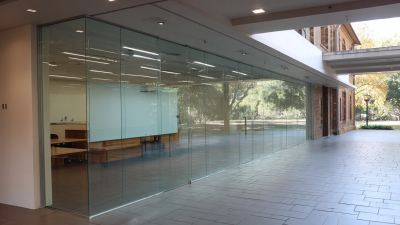
What is Safety Glass Windows and Why They are Important?
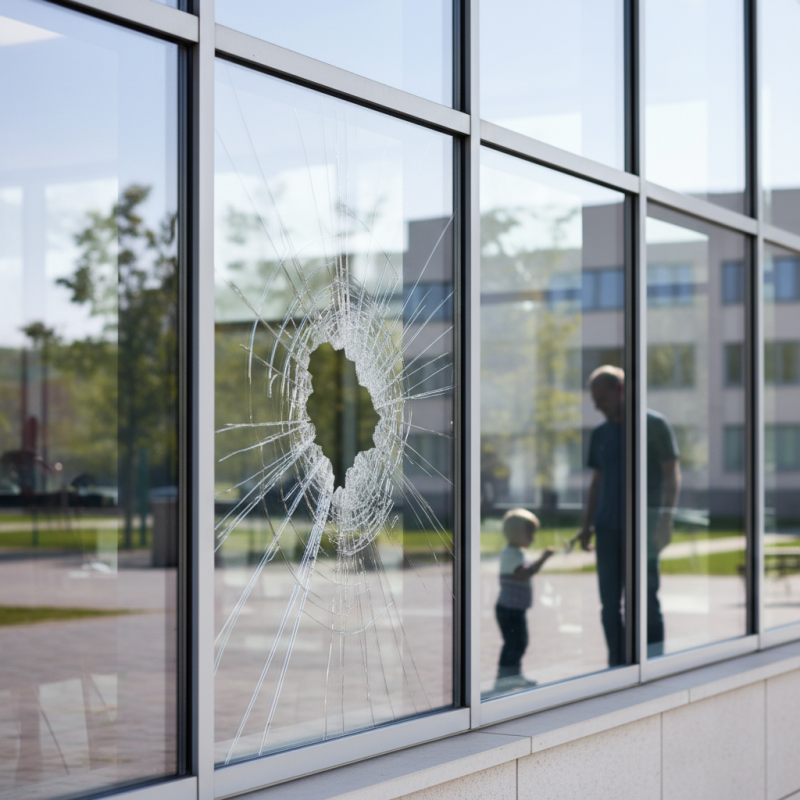
Safety glass windows are vital for many structures. They offer enhanced protection against accidents and break-ins. Unlike regular glass, safety glass is designed to shatter into small pieces. This minimizes the risk of injury significantly.
Buildings with safety glass windows create a safer environment for occupants. In homes, they are particularly important in high-traffic areas. Schools and public buildings often use safety glass to protect children and staff. However, not all safety glass is the same. Choosing the right type can be confusing.
It is essential to understand the various options available. Laminated glass, for example, combines layers for added strength. Tempered glass undergoes heating to increase durability. Each type serves unique purposes based on the needs of the space. Ultimately, safety glass windows are an investment in security and peace of mind.
What is Safety Glass?
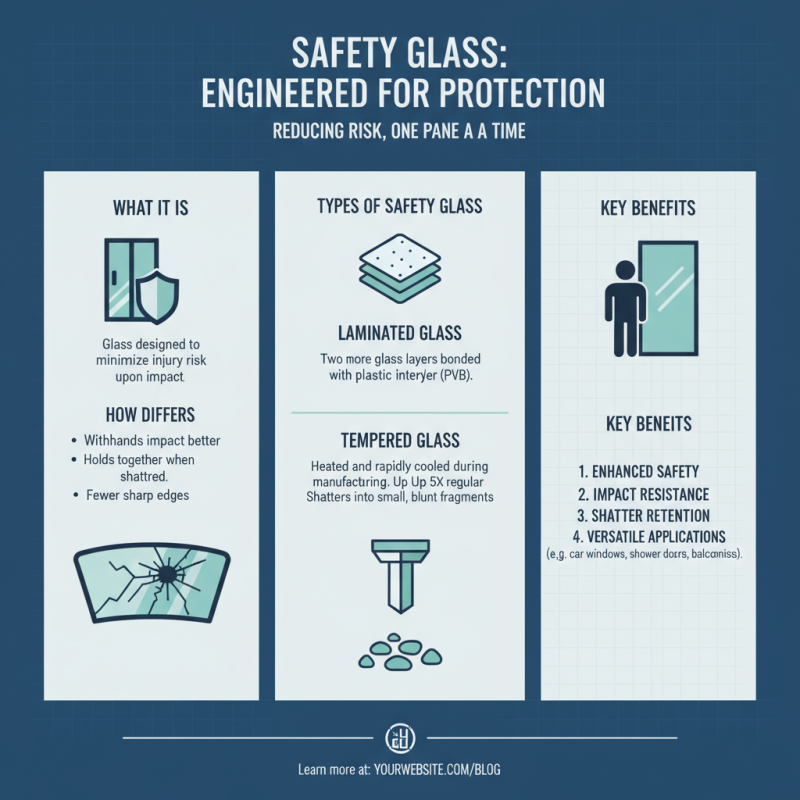
Safety glass is a type of glass designed to reduce the risk of injury. Unlike regular glass, safety glass is manufactured to withstand impact better. It typically includes laminated glass or tempered glass, which are much tougher than typical panes. These products are engineered to hold together when shattered, minimizing sharp edges.
In places like schools and hospitals, safety glass is essential. It protects occupants from accidents and ensures safety during extreme weather conditions. However, not all safety glass is the same. Some types might not meet specific safety standards, leading to potential risks. Understanding these differences is important for making informed decisions. Regular inspections are necessary to ensure their efficacy over time.
Choosing safety glass should not be a rushed decision. It's crucial to consult knowledgeable sources and evaluate the installation processes. Failure to do so may lead to significant safety issues later on. Safety glass plays a vital role in modern architecture and construction, but awareness is key to achieving its full potential.
Types of Safety Glass Windows and Their Features
Safety glass windows are crucial for enhancing security and protection in various settings. There are different types of safety glass, each with unique features.
Laminated glass consists of two or more layers of glass bonded by a plastic interlayer. This combination prevents shattering, making it ideal for high-traffic areas. It’s often used in skylights and car windshields.
Tempered glass, another common type, undergoes a heating and cooling process that strengthens it. This glass can withstand impacts better than regular glass. When broken, it shatters into small, blunt pieces, reducing injury risks. However, it’s essential to know that tempered glass cannot be cut after production, which may lead to waste if not measured correctly.
Lastly, wire glass incorporates a wire mesh between layers, enhancing its resistance to fire. This type is often found in fire-rated doors and windows. Despite its benefits, wire glass can be less aesthetically pleasing. Each type has pros and cons, and understanding them helps in making informed choices.
Advantages of Using Safety Glass Windows
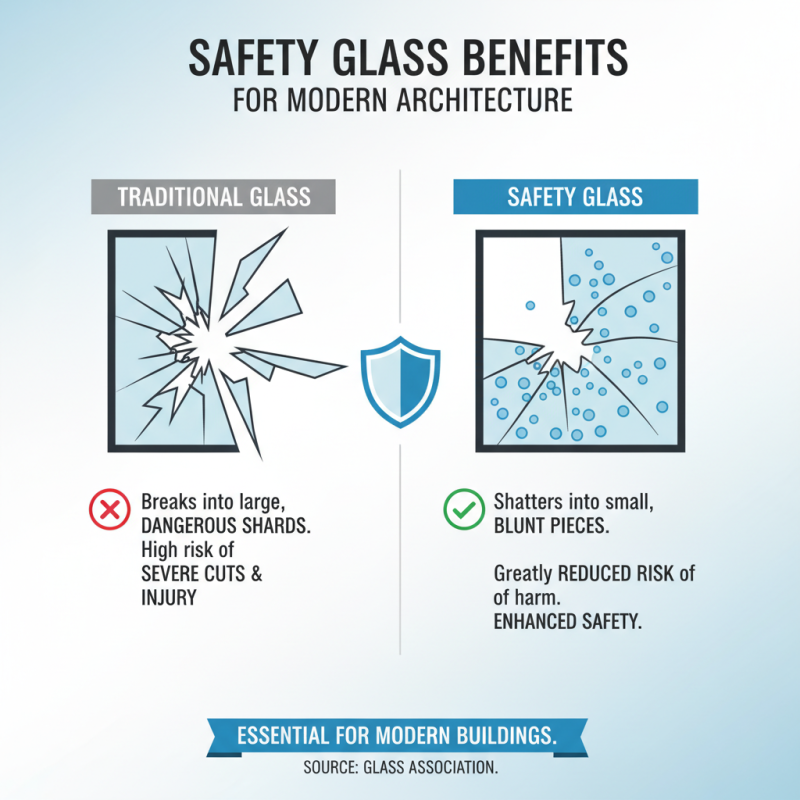
Safety glass windows offer numerous advantages that make them essential for modern architecture. According to the Glass Association, safety glass can reduce the risk of injury during accidents. It is designed to minimize shattering, unlike regular glass. When broken, safety glass breaks into small, blunt pieces. This greatly lowers the chances of cuts and severe injuries.
One significant benefit is energy efficiency. Energy reports indicate that safety glass windows improve insulation. They can reduce heating and cooling costs by about 30%. Homeowners who choose safety glass often see a notable decrease in their energy bills. This aspect is especially important as temperatures rise due to climate change.
Moreover, safety glass provides enhanced security. Many studies show that using safety glass windows can deter break-ins. The laminated layers resist penetration, making it difficult for intruders. However, it’s important to acknowledge that while they provide more security and safety, they may not be completely invulnerable. There are cases where even safety glass can be compromised under extreme conditions. This prompts a conversation about ongoing improvements in glass technology.
Applications of Safety Glass in Different Industries
Safety glass is widely used across various industries for its durability and protective qualities. In construction, it helps ensure that buildings can withstand impacts and remain safe for occupants. Laminated glass, for instance, is popular in high-rise buildings, as it holds together even when shattered. This feature prevents injuries from flying shards, which can be a significant risk.
In the automotive industry, safety glass is critical. Windshields must be strong enough to protect passengers during accidents. Tempered glass, often used in side and rear windows, is designed to break into small, less harmful pieces. This reduces the risk of serious injuries in collisions.
The use of safety glass extends to the aviation and marine sectors as well. Aircraft windows must endure extreme pressure and temperature changes. Safety glass ensures the crew and passengers are secure during flights. Similarly, in boats, safety glass provides visibility while safeguarding against waves and impacts.
Some applications still need improvement, as shatter-resistant technology evolves. Continuing to innovate can enhance safety across all sectors.
Regulations and Standards for Safety Glass Windows
Safety glass windows are crucial in today's architecture. Regulations and standards govern their use to ensure safety. These guidelines vary by location but generally emphasize impact resistance, thermal stability, and shatterproof characteristics.
In many regions, building codes mandate the use of laminated or tempered glass in certain applications. For instance, safety glass must be used in schools, hospitals, and public buildings. These locations require windows that can withstand strong impacts. In contrast, residential buildings may have different requirements, which can lead to misuse or underestimation of risks.
Compliance with safety standards is essential. Testing for safety glass involves simulations of extreme pressure and impact. However, some manufacturers might cut corners. This raises concerns about the reliability of some products. Regular audits and inspections are necessary to ensure ongoing compliance. A clear understanding of local regulations can help in making safer choices.
What is Safety Glass Windows and Why They are Important?
| Type of Safety Glass |
Benefits |
Common Applications |
Regulations/Standards |
| Tempered Glass |
High strength and impact resistance |
Shower doors, storefronts |
ANSI Z97.1, CPSC 16 CFR 1201 |
| Laminated Glass |
Prevents shattering, UV protection |
Windshields, skylights |
ASTM C1172, ANSI Z97.1 |
| Bullet-resistant Glass |
Security against firearms |
Banks, military buildings |
NIJ Standards |
| Wire Glass |
Fire resistance |
Fire doors, windows in fire-rated walls |
ASTM E119, NFPA 80 |