What is a Pcb Board and How is it Used in Electronics?
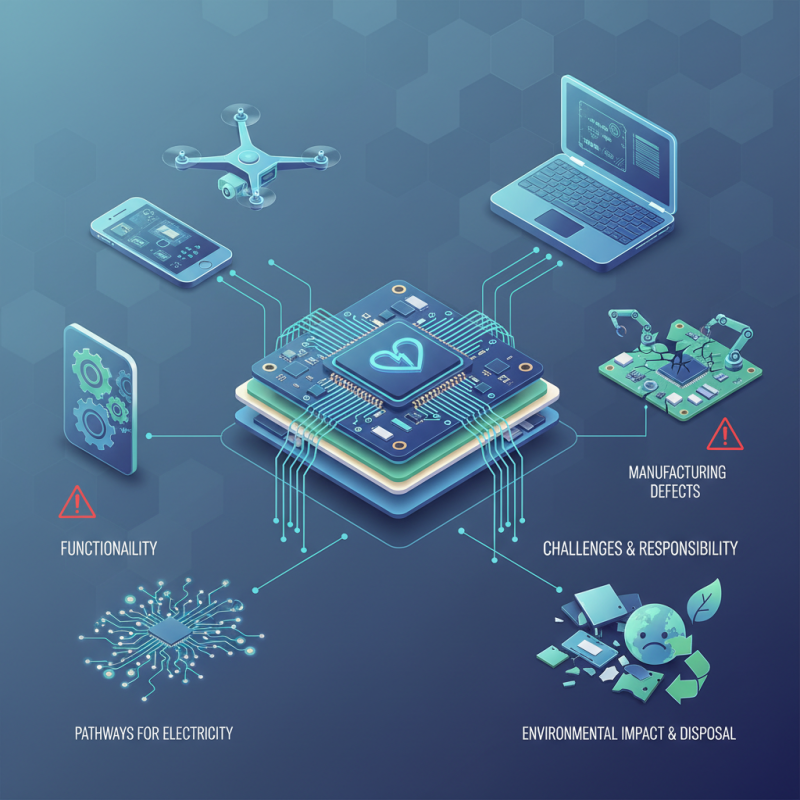
In the world of electronics, the Pcb Board plays a critical role in device functionality. Dr. Emily Zhao, a renowned expert in electronics engineering, once stated, "A Pcb Board is the heartbeat of modern technology." This succinctly captures the essence of its importance.
Pcb Boards, or printed circuit boards, serve as the backbone for electronic components. They provide the necessary pathways for electricity to flow, ensuring devices operate efficiently. Their design is intricate, often requiring precise engineering to fit various components seamlessly.
While Pcb Boards are indispensable, challenges persist. For instance, complex designs can lead to manufacturing defects. Additionally, environmental impact from waste materials is an ongoing concern. These issues remind us that while Pcb Boards drive innovation, they also necessitate responsible practices in production and disposal.
What is a PCB Board? Understanding its Definition and Purpose
A PCB board, or printed circuit board, is a vital component in modern electronics. It acts as a foundational structure that connects various electronic parts. Typically made from materials like fiberglass or phenolic resin, PCBs are skilled in conducting electricity through copper pathways. This facilitates communication between components, allowing devices to function effectively.
Understanding the purpose of a PCB is crucial. It not only supports physical components but also acts as a medium for electrical signals. Each PCB is designed meticulously, often requiring computer-aided design (CAD) tools. This process includes defining the layout of traces and the positioning of components, which can be challenging. Even small errors in design can lead to significant issues in performance.
Tip: Pay attentive consideration to the design process. Mistakes can hinder the entire electronic system.
Integrating surface mount technology (SMT) is common in PCB manufacturing. It promotes a compact and efficient design. However, overstuffed boards can increase the risk of short circuits. Keeping space in mind is essential during assembly.
Tip: Verify that components are not too close together. This can prevent potential failures.
A well-designed PCB can enhance device durability and performance. Yet, always be ready to revisit designs after the prototyping phase. Exploring feedback is vital for improving functionality.
The Composition of PCB Boards: Materials and Structure Explained
PCB boards, or printed circuit boards, are crucial in modern electronics. They connect various electronic components, facilitating functionality. The structure of a typical PCB consists of layers, each serving a specific purpose. At the core, you have a substrate, often made of fiberglass, providing strength and electrical insulation. Above this layer, copper traces are etched to create pathways for electrical signals.
The composition also includes solder mask, ensuring connections remain intact. The silkscreen layer adds labels and symbols, aiding in assembly and troubleshooting. Selecting high-quality materials is vital for durability and performance. However, not all boards are created equal. Some may not withstand high temperatures, compromising reliability.
Tips: When designing or selecting a PCB, consider the environment it will operate in. Heat and humidity can affect performance. Always consult with professionals to ensure optimal choices.
Another point to ponder is the thickness of the board. Thicker boards can handle stronger components but may reduce flexibility. Keep in mind you might need to adjust designs based on component size and spacing to avoid overcrowding. Strive for clarity and simplicity in layout to enhance functionality.
Types of PCB Boards: Exploring Different Varieties and Their Uses
PCB boards, or printed circuit boards, come in various types, each tailored for specific applications. Rigid PCBs are the most common. They are durable and reliable, suited for everyday electronics like smartphones and computers. Flexible PCBs offer a different advantage. They can bend and twist, making them ideal for compact devices. Their lightweight design maximizes space without compromising functionality.
Another type is the rigid-flex PCB, which combines the best of both worlds. This design employs a mix of rigid and flexible materials. It's often found in advanced medical equipment or aerospace applications. The blend allows for complex circuitry in a smaller footprint. On the other hand, high-frequency PCBs cater to specialized needs, such as telecommunications. These boards minimize signal loss, enhancing performance.
Choosing the right PCB type can be challenging. Each has its own strengths and weaknesses. For example, while flexible PCBs save space, they may have a shorter lifespan. Rigid boards are sturdy but restrict design options. Careful consideration is essential to meet specific project requirements. Understanding these nuances can lead to better outcomes in electronic design. Redefining one’s approach can pave the way for innovative solutions in technology.
Types of PCB Boards and Their Uses
The Manufacturing Process of PCB Boards: From Design to Production
The manufacturing process of PCB boards is a complex journey that begins with design. Engineers use specialized software to create layouts. These designs include integrated circuits, resistors, and capacitors. In 2023, the global PCB market was valued at approximately $60 billion. This growth reflects the increasing demand for electronics in various industries.
After the design phase, the production process commences. The first step involves etching copper layers onto a substrate. This is often done using photolithography techniques, which require precision. The accuracy in this step affects the entire board's functionality. In fact, reports show that about 15% of PCBs fail due to manufacturing defects. This highlights the need for meticulous attention to detail.
Lastly, assembly occurs, where components are soldered onto the board. Automated machines often perform this task, enhancing efficiency. However, human error can still impact quality. The use of advanced inspection tools helps mitigate these risks, but challenges remain. Manufacturers must continuously adapt to meet evolving technology standards. The PCB landscape is dynamic, with constant innovations shaping production techniques.
What is a Pcb Board and How is it Used in Electronics? - The Manufacturing Process of PCB Boards: From Design to Production
| PCB Type | Material | Thickness (mm) | Layer Count | Common Applications |
| Single-Sided PCB | FR-4 | 1.6 | 1 | Consumer Electronics |
| Double-Sided PCB | FR-4 | 1.6 | 2 | Communication Devices |
| Multilayer PCB | FR-4 | 1.6 | 4 or more | High-Density Applications |
| Rigid-flex PCB | Polyimide | Varies | Flexible Configuration | Medical Devices |
| High-frequency PCB | PTFE | 0.8 | 1 or 2 | Aerospace and Military |
Applications of PCB Boards in Electronics: Key Areas of Usage
PCB (Printed Circuit Board) boards are integral to modern electronics, serving in various key applications. The global PCB market is projected to grow from $63 billion in 2020 to $91 billion by 2026, emphasizing their crucial role in technology.
One significant area of usage is consumer electronics. Smartphones, tablets, and laptops rely heavily on PCBs for connectivity and functionality. According to industry reports, the consumer electronics segment accounts for over 30% of the PCB market share.
Another vital application lies in the automotive sector. With the rise of electric vehicles, the demand for PCBs is expected to surge. Reports indicate that automotive PCBs may grow at a CAGR of 6.1% from 2021 to 2026, highlighting their increasing complexity and integration in advanced driver-assistance systems.
Telecommunications also showcases important PCB applications. Networks require reliable and efficient PCB designs for signal transmission. With 5G technology deployment, the need for high-frequency PCBs is rising. However, the industry faces challenges such as managing thermal performance and miniaturization effects, which require more innovative manufacturing techniques. Ultimately, while PCBs are essential, addressing these challenges remains crucial for further advancements.