Understanding Passive Fire Protection: How It Safeguards Lives and Property in Modern Buildings
In the realm of architectural safety, understanding passive fire protection (PFP) is paramount for safeguarding lives and property in modern buildings.
Research indicates that approximately 80% of fire-related fatalities occur in structures where inadequate fire safety measures are prevalent.
PFP systems, which include fire-resistant walls, floors, and doors, are designed to contain the spread of fire and smoke, significantly enhancing occupant safety and property preservation. According to the National Fire Protection Association (NFPA), proper implementation of passive fire strategies can reduce property damage by up to 50%,
thereby underscoring the critical role these systems play in contemporary building designs. As urban environments become denser and building codes evolve, the importance of effective passive fire measures cannot be overstated, necessitating a thorough understanding of their principles and applications in mitigating fire hazards.

The Importance of Passive Fire Protection in Contemporary Architecture
Passive fire protection (PFP) plays a critical role in contemporary architecture, ensuring the safety of occupants and the integrity of buildings. According to the National Fire Protection Association (NFPA), effective PFP systems can reduce fire-related fatalities by up to 80% when properly installed and maintained. These systems typically include fire-resistant walls, floors, and doors designed to contain and slow the spread of fire and smoke, allowing occupants to evacuate safely and providing emergency services additional time to respond.
In modern design, the integration of PFP elements not only enhances safety but is also a regulatory requirement in many jurisdictions. Building codes increasingly mandate the use of fire-rated materials and assemblies, recognizing their importance in risk mitigation. The Global Fire Safety Equipment Market Report predicts that the demand for passive fire protection materials will grow at a CAGR of 5.6% through 2027, reflecting an escalating commitment to safety in building design. By investing in PFP, architects and builders not only comply with regulations but also contribute to creating resilient structures that prioritize occupant safety and property protection.
Key Components of Passive Fire Protection Systems
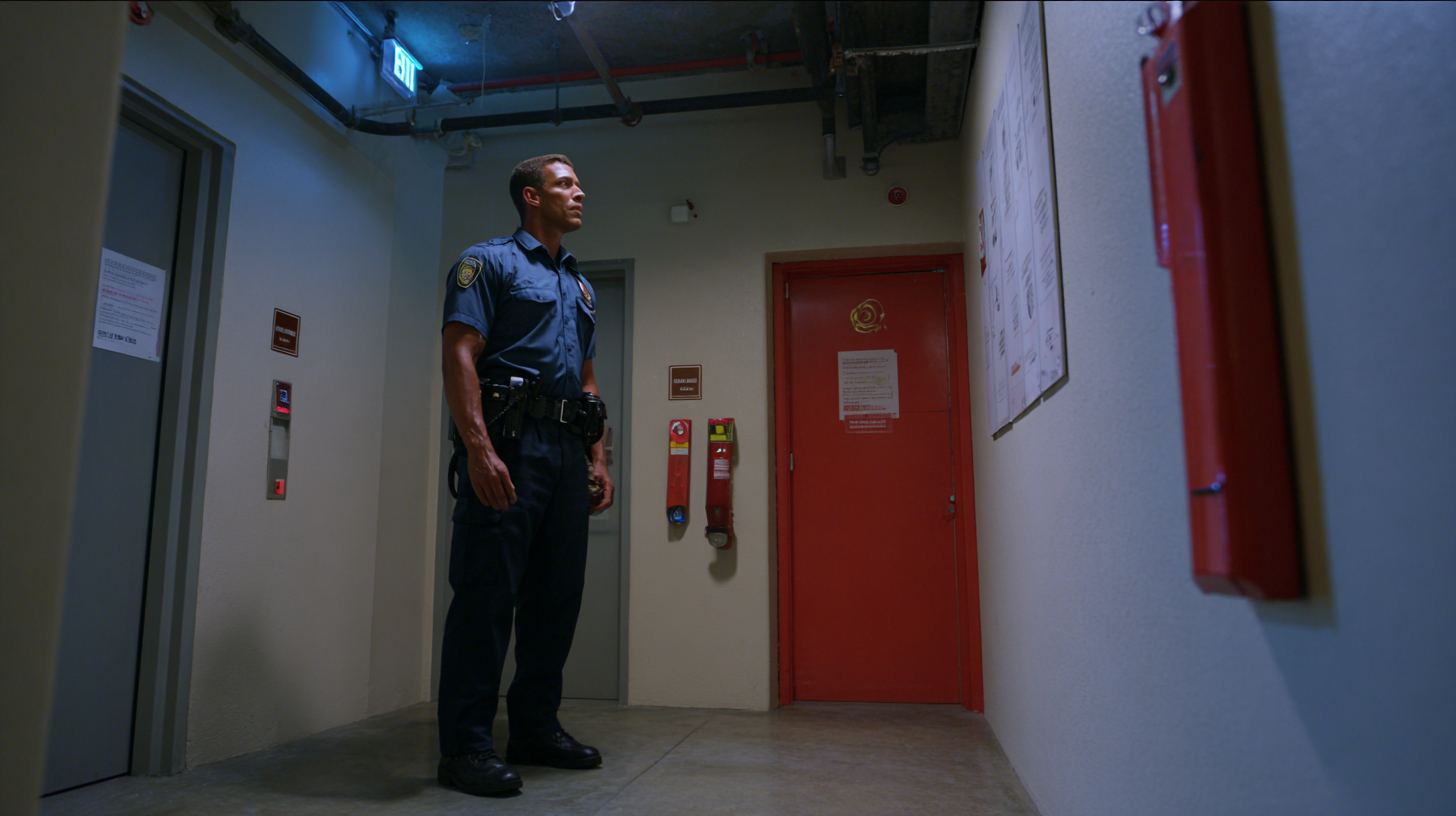 Passive fire protection (PFP) plays a crucial role in safeguarding lives and property within modern buildings. The key components of passive fire protection systems include fire-resistant walls, floors, doors, and ceilings, all designed to contain smoke and flames, effectively slowing down their spread. These barriers are strategically placed throughout the structure to create fire compartments that facilitate the safe evacuation of occupants while allowing emergency responders adequate time to control the situation.
Another essential element of passive fire protection is the use of fire-stopping materials. These materials fill gaps and openings in walls and floors, preventing the movement of smoke and fire between different areas of a building. Additionally, the installation of fire-resistant glazing in windows and other openings ensures that the integrity of fire barriers is maintained, even in high-risk environments. By integrating these components into the design and construction of buildings, PFP systems significantly enhance overall fire safety and contribute to the protection of both individuals and property.
How Passive Fire Protection Works to Save Lives
Passive fire protection (PFP) is a critical component in modern building safety, designed to minimize the impact of fire by using structural elements to contain flames and prevent the spread of smoke. Unlike active fire protection systems, which rely on mechanical efforts like sprinklers and alarms, passive methods function automatically without human intervention. The National Fire Protection Association (NFPA) reports that properly implemented PFP can reduce the risk of fatalities by up to 80% in residential buildings, showcasing its significance in fire safety strategies.
One of the key features of PFP is the use of fire-resistant materials and compartmentalization, which divide a building into sections to limit fire propagation. According to the Underwriters Laboratories (UL), structures designed with effective PFP measures can increase survival rates during a fire incident, as occupants are provided with additional time to evacuate. Studies indicate that the presence of fire-resistant walls and doors can hold back flames for a critical 30 minutes to several hours, allowing time for emergency services to respond and potentially saving lives. Integrating PFP into building designs is not just a regulatory requirement but a proven life-saving strategy in contemporary architecture.
Comparing Passive Fire Protection with Active Fire Safety Measures
Passive fire protection (PFP) and active fire safety measures serve complementary roles in safeguarding lives and property within modern buildings. PFP refers to the design strategies employed to contain fires and prevent their spread without the need for human intervention. This includes using fire-resistant materials, fire-rated walls and floors, and compartmentalization strategies. These features work to create barriers that delay the passage of flames and smoke, allowing more time for occupants to evacuate and reducing damage to property.
Conversely, active fire safety measures involve systems that require action during a fire event, such as fire alarms, sprinklers, and emergency lighting. While active systems play a crucial role in detecting and suppressing fires, they depend on proper maintenance and timely human response. In contrast, PFP remains effective even when systems fail or during power outages. The integration of both approaches is essential; while active systems respond to fires when they occur, passive measures provide inherent safety from the outset, ultimately creating a more resilient structure against fire hazards.
Comparison of Passive Fire Protection and Active Fire Safety Measures
The Future of Passive Fire Protection in Building Design and Regulations
As modern building designs evolve, the integration of innovative passive fire protection (PFP) systems is becoming increasingly crucial. According to the National Fire Protection Association (NFPA), effective PFP measures can reduce the likelihood of fire-related fatalities by up to 80%. These systems, which include fire-resistant walls, floors, and doors, are essential for containing flames and smoke, allowing for safe evacuation while minimizing property damage. Experts project that stringent regulations will drive the adoption of advanced PFP technologies, emphasizing the necessity for architects and builders to stay ahead in understanding these developments.
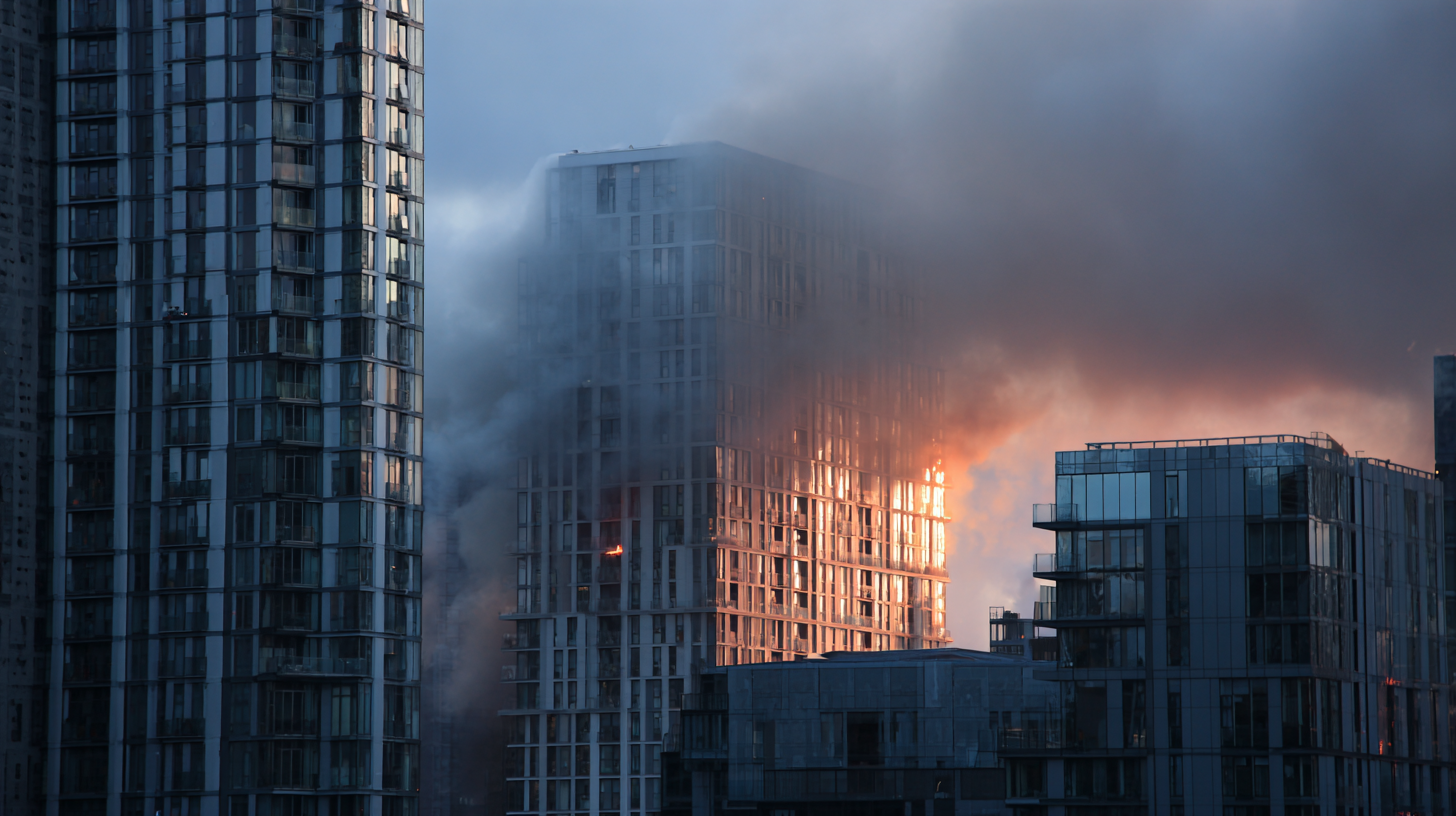
To remain compliant with future regulations, professionals in the construction industry should prioritize education on emerging standards and technologies. For example, incorporating materials that meet or exceed fire-resistance ratings can enhance building safety. In addition, adopting a proactive approach to integration, such as collaborating with fire safety engineers during the design phase, can lead to more efficient and compliant outcomes.
Tips: Ensure that your designs align with the latest building codes and consider using building information modeling (BIM) tools to simulate and visualize fire protection strategies effectively. Regular training and updates on fire safety practices for all team members will also keep your projects compliant and safe.