Why is Passive Fire Protection Essential for Building Safety and Compliance
Passive fire protection plays a crucial role in ensuring the safety and integrity of buildings, acting as a first line of defense against the devastating effects of fire. Unlike active fire protection measures, which rely on systems requiring manual or automated action, passive fire protection encompasses structural elements designed to contain fires, limit their spread, and protect escape routes and critical infrastructure. This approach not only enhances the safety of occupants but also aids in compliance with building codes and regulations, which mandate specific fire safety measures to be implemented in various structures.
As urban areas continue to grow and evolve, the importance of effective fire safety strategies cannot be overstated. Passive fire protection involves the use of fire-resistant materials, compartmentalization, and robust design principles that together create safer environments within buildings. By integrating these elements at the design phase, architects and engineers can ensure that buildings not only meet safety standards but also provide peace of mind to occupants. In this context, understanding the fundamentals and benefits of passive fire protection is essential for all stakeholders involved in building design, construction, and management.

Definition and Purpose of Passive Fire Protection in Buildings
Passive fire protection (PFP) is a critical component of a comprehensive fire safety strategy in buildings, designed to contain fires and prevent their spread. According to the National Fire Protection Association (NFPA), nearly 1,400,000 fires were reported in the United States in 2018 alone, and PFP systems played a vital role in minimizing damage and protecting occupants.
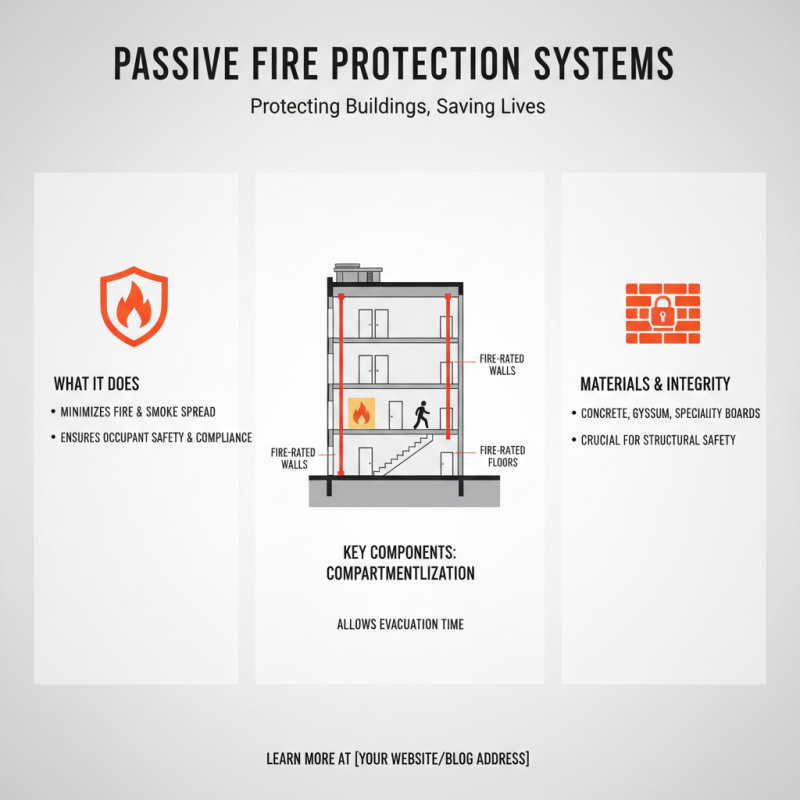
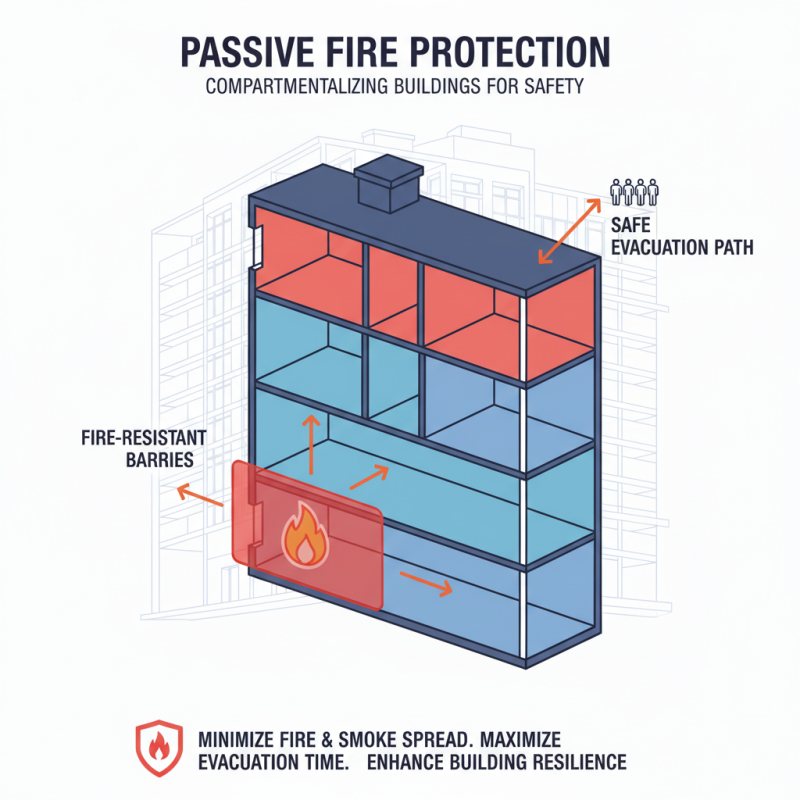
PFP typically includes fire-resistance-rated walls, floors, and ceilings, as well as fire doors that compartmentalize spaces, thereby limiting the movement of smoke and flames.
This strategic design not only enhances safety but also supports compliance with building codes and regulations, which often mandate specific PFP measures depending on occupancy type and building height.
The purpose of passive fire protection extends beyond simply satisfying regulatory requirements; it serves to protect lives and property. The fire risk assessments carried out by organizations such as the International Fire Safety Consortium indicate that well-implemented PFP measures can reduce the risk of fire-related fatalities by more than 50%. By creating barriers that slow fire spread, PFP enables occupants to evacuate safely and provides firefighters with additional time to respond.
Moreover, according to a report from the National Institute of Standards and Technology (NIST), buildings with proper passive systems can experience significantly less fire damage, which translates to lower insurance costs and reduced long-term repair expenses.
Investing in strong PFP systems is therefore not just a regulatory obligation; it's an essential strategy for safeguarding individuals and enhancing building resilience.
Key Components of Passive Fire Protection Systems
Passive fire protection systems are critical in ensuring the safety and compliance of buildings by minimizing the spread of fire and smoke. Among the key components of these systems are fire-resistant walls, floors, and doors. Fire-rated barriers, constructed from materials like concrete or gypsum, are designed to compartmentalize a building, preventing fire from spreading to adjacent areas and allowing occupants more time to evacuate. The integrity of these barriers is crucial in maintaining the overall safety of the structure during a fire event.
Additionally, passive fire protection incorporates features such as fire dampers and smoke control systems. Fire dampers are installed in ductwork and are essential for stopping the passage of flames and smoke between different compartments of a building. Smoke control systems, which may include smoke vents and barriers, work in tandem with fire-resistant materials to manage smoke movement and improve visibility for evacuation routes. Together, these components form a robust strategy to safeguard lives and property, making passive fire protection a cornerstone of building safety compliance.
Benefits of Passive Fire Protection for Building Safety
Passive fire protection (PFP) plays a crucial role in safeguarding building occupants and property by minimizing the spread of fire and smoke. One of the primary benefits of PFP is its ability to compartmentalize a building. By creating fire-resistant barriers, such as walls, floors, and ceilings, PFP systems can contain a fire to its origin point, significantly reducing the likelihood of widespread damage and giving occupants crucial time to evacuate safely. This aspect of PFP not only enhances safety but also contributes to the overall resilience of the building.
Another significant benefit of passive fire protection lies in its contribution to compliance with safety regulations and standards. Many building codes mandate specific levels of fire resistance in different types of structures, and implementing PFP measures can help owners and builders meet these requirements. By investing in PFP systems, stakeholders can avoid potential legal liabilities and costly fines associated with non-compliance. Moreover, insurance companies often view PFP as a risk mitigation strategy, leading to more favorable policy terms and lower premiums, which further underscores its value in building safety.
Regulatory Standards and Compliance Requirements for Passive Fire Protection
Passive fire protection (PFP) is a critical component of building safety, ensuring that structures can withstand and limit the spread of fire. Regulatory standards and compliance requirements for passive fire protection are established to safeguard occupant safety and property integrity. These regulations often dictate the materials and methods used for fire-resisting construction, including fire-rated walls, floors, and ceilings, as well as the installation of fire doors and other protective measures.
To ensure compliance with these regulations, building owners and contractors must stay informed about local fire codes and national standards. Regular training and education for construction professionals on current best practices can greatly aid in achieving compliance. Additionally, conducting thorough inspections and audits of passive fire protection systems will help identify any potential weaknesses or areas for improvement.
Tip: Always verify that any materials used for passive fire protection are certified and compliant with regulatory standards. This can significantly boost the overall safety of the building.
Another essential aspect is documentation; maintaining detailed records of inspections, installations, and maintenance activities not only serves as proof of compliance but also helps in future assessments and renovations.
Tip: Establish a routine review process for all passive fire protection systems to ensure they remain compliant with updated regulations and continue to provide effective protection against fire hazards.
Common Challenges and Misconceptions about Passive Fire Protection
Passive fire protection (PFP) is often misunderstood, leading to several challenges in its implementation. A common misconception is that PFP is only about using fire-resistant materials. In reality, it also involves the design and arrangement of the building’s layout to enhance safety. Many professionals overlook the importance of ensuring that fire barriers and compartments are properly maintained and unobstructed. Without regular checks, the effectiveness of these systems can be compromised, increasing risks during a fire incident.
Another challenge is the belief that passive fire protection systems can function alone without active systems, like alarms or sprinklers. While PFP provides critical containment during a fire, it works best in conjunction with active systems to ensure maximum safety. Building owners may underestimate the importance of compliance with fire safety regulations, sometimes leading to inadequate or incomplete installations of PFP measures.
Tips for improving passive fire protection include conducting regular assessments of fire barriers to ensure they are intact and have not been compromised. Furthermore, educating employees about fire safety practices and the role of passive systems can enhance overall safety culture within the organization. Regular training sessions can clarify misconceptions and promote a better understanding of the importance of both passive and active fire protection systems working together to ensure safety.
Passive Fire Protection: Importance and Challenges