What is Passive Fire Protection and How Does It Work for Your Safety
Passive fire protection (PFP) plays a crucial role in safeguarding lives and property by preventing the spread of fire and smoke in buildings. According to the National Fire Protection Association (NFPA), the effectiveness of PFP can significantly reduce the risk of fire-related injuries and fatalities, with a reported decrease in fire deaths by up to 50% when passive measures are properly implemented. PFP comprises various elements, including fire-resistant walls, floors, and doors, designed to contain fires and limit their propagation, creating safe escape routes for occupants.
Research from the Building Research Establishment (BRE) indicates that many fire incidents can escalate rapidly due to inadequate passive fire protection measures. By integrating passive fire protection strategies during the design and construction phases, buildings can achieve a higher level of safety compliance and resilience. The implementation of PFP not only helps in life safety but also minimizes damage to property, ultimately reducing economic losses. As the construction industry continually develops and adheres to stricter regulatory standards, understanding the vital function of passive fire protection is essential for creating safe, sustainable environments for all.
What is Passive Fire Protection?
Passive fire protection (PFP) refers to the integrated systems and materials designed to contain, slow down, or prevent the spread of fire and smoke within a building. Unlike active fire protection systems, such as sprinklers and alarms, PFP relies on the physical components of a structure itself, including walls, floors, and doors, to provide safety. According to the National Fire Protection Association (NFPA), the majority of fire-related deaths occur due to smoke inhalation rather than burns. Thus, the effectiveness of PFP components becomes crucial in allowing occupants vital time for evacuation and minimizing property damage.
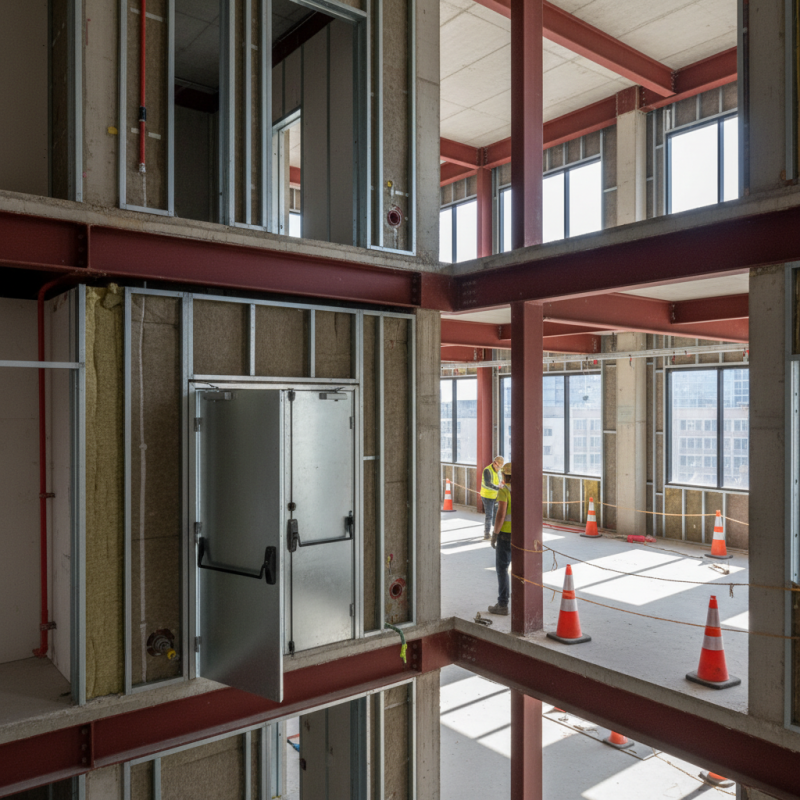
PFP systems typically include fire-resistant walls, ceilings, and floors that are constructed using materials like gypsum board or fire-rated concrete. Additionally, fire stops, fire doors, and intumescent coatings play essential roles in separating different areas of a building and sealing penetrations where wires and pipes may pass through.
A report by the International Code Council found that proper installation of passive fire protection can reduce the likelihood of fire spread by as much as 70%, demonstrating the importance of compliance with fire codes in construction. Understanding and implementing effective passive fire protection strategies not only enhances the safety of occupants but also contributes to more resilient building designs.
Key Components of Passive Fire Protection Systems
Passive fire protection (PFP) systems are critical in enhancing safety within buildings by utilizing inherent materials and building components to contain and slow down the spread of fire. Key components of these systems include fire-resistive walls, floors, and doors, which are designed to withstand flame and heat for specified periods. According to the National Fire Protection Association (NFPA), proper installation of fire barriers can reduce the spread of fire by up to 75%, significantly mitigating potential damage and loss of life during a fire incident.
Another essential element of passive fire protection is the use of firestopping materials that seal openings and joints in fire-rated walls and floors. These materials prevent the passage of flames and smoke, crucial during a fire emergency. The Global Fire Protection Market Report indicated that by 2026, the passive fire protection sector is expected to witness a steady growth rate of about 5% annually. This highlights not just the importance of these systems in preserving structural integrity and safety, but also the growing recognition among architects and builders of their role in comprehensive fire safety strategies. By integrating effective passive fire protection components, building designs can enhance resilience against fire hazards, promoting overall occupant safety and compliance with fire safety regulations.
How Passive Fire Protection Enhances Building Safety
Passive fire protection (PFP) is a critical element of building safety, playing a significant role in minimizing fire hazards and enhancing occupant protection. It encompasses various architectural and engineering designs that help contain the spread of fire, smoke, and heat within a structure. Key components of PFP include fire-resistant walls, floors, and doors, which are constructed from materials specifically designed to withstand high temperatures and prevent flames from breaching compartments. By compartmentalizing spaces, PFP systems can effectively slow down the progress of a fire, providing essential time for building occupants to evacuate safely.
Additionally, passive fire protection complements active fire protection systems, such as sprinkler systems, by maintaining the structural integrity of a building during a fire incident. This is crucial, as it ensures escape routes remain accessible, enhancing the overall safety of occupants. PFP also involves careful consideration of ventilation and smoke control, which helps to mitigate smoke inhalation risk, one of the leading causes of fire-related injuries and fatalities. By integrating PFP measures into building design and construction, architects and engineers can significantly reduce the risks associated with fire outbreaks, ultimately leading to a safer environment for all occupants.
What is Passive Fire Protection and How Does It Work for Your Safety - How Passive Fire Protection Enhances Building Safety
| Aspect |
Description |
Benefits |
Examples |
| Definition |
Passive fire protection (PFP) involves the use of fire-resistant materials and structural components to contain flames and smoke within a building. |
Reduces fire spread, enhances safety, and provides occupants time to evacuate. |
Fire-rated walls and floors, fire doors, and compartmentation. |
| Key Components |
Includes fire-resistant walls, floors, ceilings, and doors designed to slow the spread of fire. |
Minimizes damage and protects egress routes. |
Gypsum board, concrete, and intumescent coatings. |
| Regulatory Standards |
Governed by building codes and regulations, ensuring materials and construction meet fire safety criteria. |
Compliance assures safety and may reduce insurance costs. |
NFPA, IBC, and local building codes. |
| Maintenance |
Regular inspections and maintenance are required to ensure effectiveness of passive fire protection systems. |
Prolongs life of fire protection systems and ensures compliance with safety standards. |
Annual fire safety inspections and fire door testing. |
| Integration with Active Systems |
Works alongside active fire protection systems like sprinklers and alarms to enhance overall safety. |
Creates a comprehensive fire safety strategy. |
Fire alarm systems and sprinkler systems working with fire-rated exit pathways. |
Best Practices for Implementing Passive Fire Protection
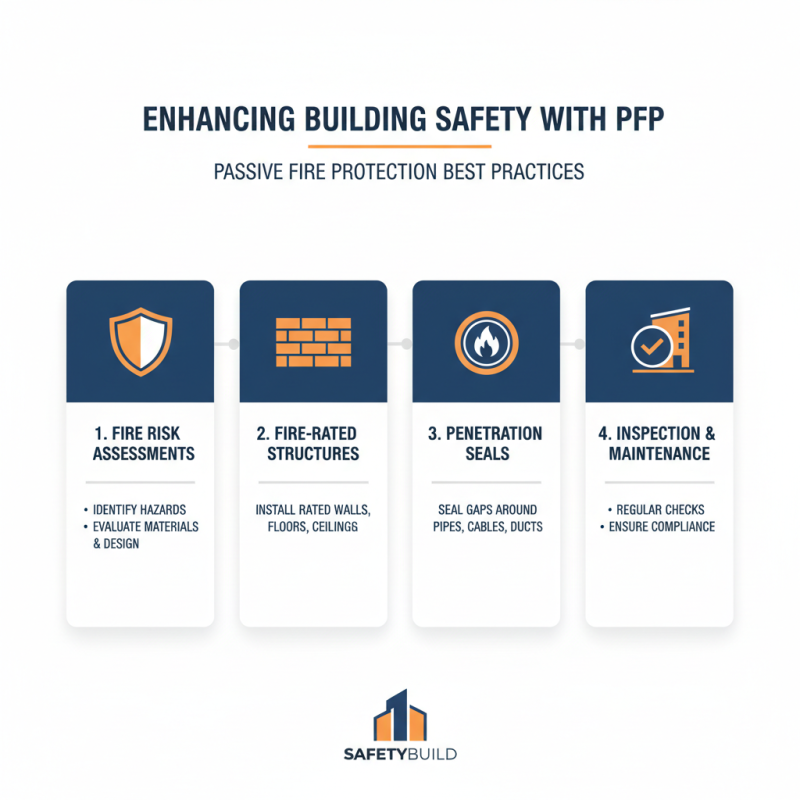
Implementing passive fire protection (PFP) is crucial for enhancing safety in buildings. Best practices begin with comprehensive fire risk assessments that identify potential hazards within the structure. This includes evaluating building materials and designs to ensure they contribute to fire resistance. Fire-resistance-rated walls, floors, and ceilings must be installed correctly to prevent the spread of fire and smoke. Proper details and seals around penetrations in these barriers are essential, as they can significantly compromise PFP performance if not addressed.
Another critical aspect is maintaining PFP systems over time. Regular inspections and maintenance ensure that all fire-rated assemblies remain intact and functional, identifying any wear or damage that could impede their effectiveness during a fire incident. Documentation and certification of materials and installations are also important, providing accountability and assurance that PFP measures meet established standards. Training staff or occupants about the importance of maintaining fire barriers and not obstructing access to these critical safety features can further enhance building safety and preparedness in case of fire emergencies.
Regulatory Standards and Compliance for Passive Fire Protection
Passive fire protection (PFP) is an essential component in building safety, designed to contain fires and prevent their spread through the use of fire-resistant materials and structural elements. Compliance with regulatory standards is paramount to ensure that these systems function effectively in case of an emergency. The International Building Code (IBC) and the National Fire Protection Association (NFPA) provide guidelines that help architects, builders, and safety officers create environments that minimize risk and protect occupants. According to a 2022 report by the Fire Protection Research Foundation, buildings equipped with compliant passive fire protection systems can reduce fire-related fatalities by up to 50%.
To achieve regulatory compliance, building owners and managers must regularly assess their fire protection measures and ensure they meet local, state, and federal regulations. This involves conducting routine inspections and maintenance on fire barriers, doors, and other protective features. The National Fire Code highlights that more than 70% of fire-related incidents occur in structures lacking adequate passive fire measures, underscoring the importance of adherence to established standards to safeguard lives and property.
Tips: Ensure that all fire protection systems are thoroughly documented and tested regularly to meet compliance standards. Collaborate with knowledgeable fire safety professionals to conduct fire risk assessments and stay updated on changes in fire safety regulations. Remember, a proactive approach, including employee training on safety protocols, can significantly enhance the effectiveness of your passive fire protection measures.