Discover Modular Capsule House at 2026 Canton Fair Highlights?
As the world evolves, so does the concept of living spaces. The Modular Capsule House is an innovative solution addressing space and sustainability challenges. At the 2026 Canton Fair, this design will showcase its creative potential in modern architecture. Architect Jane Smith, a notable expert in modular constructions, stated, "The Modular Capsule House redefines comfort and efficiency in small living."
The first phase of the fair will highlight advanced manufacturing techniques and cutting-edge materials. This is where the Modular Capsule House shines, combining modern technology with aesthetic design. AI-powered navigation will make exploring these concepts seamless.
However, challenges remain. Adapting traditional living standards to modular spaces isn't easy. Many people still cling to conventional homes, resisting change. The Modular Capsule House invites reflection on our relationships with space and lifestyle. It's a compelling dialogue on urban living that encourages us to rethink home in a compact world.
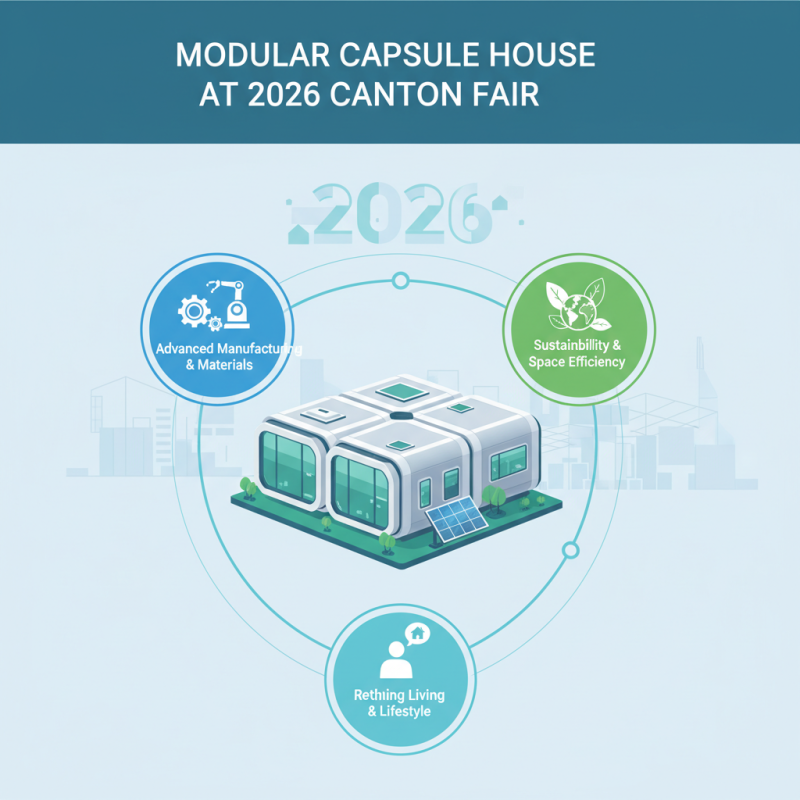
Overview of Modular Capsule House Concept
The Modular Capsule House represents a new approach to efficient living. This innovative design emphasizes space optimization and sustainability. Each unit is compact, yet functional, catering to the needs of urban dwellers. According to a recent industry report, the demand for modular housing is projected to grow by 15% annually, driven by rising urban populations.
Capsule homes often utilize eco-friendly materials. They come with energy-efficient features, reducing the carbon footprint. However, the challenge lies in scaling production while maintaining quality. Many manufacturers are experimenting with varying designs. This flexibility enables customization, appealing to diverse homeowner preferences.
Tip: When considering a modular home, prioritize layout and functionality. Assess your lifestyle needs carefully. These homes may have limitations in space, so focus on maximizing every square meter. Embrace simplicity but ensure comfort. Understand that while these designs are trendy, they may require adjustments to fit your daily life.
Key Features of Modular Capsule Houses
The Modular Capsule House concept is gaining attention for its innovative design. These structures emphasize efficiency and versatility. Each capsule is compact yet functional. They are ideal for urban living, providing essential amenities in a small footprint.
Key features include sustainability and adaptability. The materials used are often eco-friendly. This approach reduces the environmental impact. Inside, the layout maximizes space. Smart storage solutions and multifunctional furniture are common. Bright colors enhance the living experience, making these houses feel larger.
Despite their benefits, there are challenges. Not everyone may find them comfortable for long-term living. The limited space can be a drawback for families. Reflecting on the design reveals areas needing improvement. For instance, privacy could be an issue in shared spaces. Evaluating the balance between functionality and comfort is crucial.
Discover Modular Capsule House at 2026 Canton Fair Highlights - Key Features of Modular Capsule Houses
| Feature | Description | Dimensions | Material | Sustainability Aspect |
| Compact Design | Efficient use of space with multi-functional areas. | 20m² | Lightweight steel frame | Energy-efficient materials |
| Modular Structure | Easily assembled and disassembled modules for flexible layouts. | 6m x 3m x 2.5m | Eco-friendly wood composites | Recyclable components |
| Smart Technology | Integrated smart home features for enhanced living experience. | Customizable sizes | Aluminum and glass | Smart energy management |
| Affordable Housing | Cost-effective living solutions for urban areas. | 15m² to 30m² | Recycled materials | Low carbon footprint |
Innovative Design Elements Showcased at 2026 Canton Fair
The 2026 Canton Fair highlighted an innovative approach to housing with the Modular Capsule House. This design offers a unique blend of functionality and aesthetics, appealing to modern needs for sustainable living. According to recent industry reports, modular housing could reduce construction time by up to 50% and costs by 10-20%. Such impressive metrics make this design a viable option not just for urban dwellers but also for those seeking temporary housing solutions.
One standout feature is the eco-friendly materials used in construction. These materials enhance energy efficiency, potentially lowering utility costs for residents. With energy consumption rising globally, integrating sustainable elements is essential. Reports indicate that buildings account for nearly 40% of global energy usage, emphasizing the need for smarter designs. However, critics argue that modular homes sometimes sacrifice space or comfort for efficiency.
Despite the potential, scalability remains a challenge. While the Modular Capsule House can address housing shortages, consistent quality control is vital. Each unit must meet safety regulations and durability standards. Addressing these imperfections is crucial as the industry evolves. The future of housing may rest upon designs like this one, blending innovative concepts with practical applications.
Sustainability and Eco-Friendliness in Capsule Housing
The modular capsule house is making waves, especially with its focus on sustainability and eco-friendliness. This design approach utilizes recycled materials and efficient construction techniques. Each unit aims to minimize carbon footprints. They are compact yet versatile, appealing to those seeking minimalism.
These houses boast energy-efficient systems, using solar panels for power. Their design integrates natural ventilation, reducing the need for air conditioning. However, there are challenges. The limited space may feel cramped for some. Not everyone can adapt to such a minimalist lifestyle, and that’s worth discussing.
Moreover, while the concept promotes sustainability, production processes still generate waste. Some materials may not be as eco-friendly as advertised. It's crucial to question how truly green these homes can be. This dialogue about sustainability in housing continues to evolve, raising essential points for homeowners and builders alike.
Future Trends in Modular Housing Solutions
Modular housing is showing immense potential for the future. According to recent industry reports, the modular construction market is projected to reach $157 billion by 2025. This shift in construction methods reflects a growing demand for sustainable building solutions. Modular houses can be constructed in half the time of traditional homes. They also produce fewer waste materials during the building process.
However, challenges remain. The perception of modular homes often leans towards lower quality. Many still view them as temporary structures, not realizing their durability. It's essential for industry players to educate potential buyers on the lasting benefits of modular construction. Reports indicate that only 10% of homebuyers consider modular homes when looking for new housing options. This indicates a significant gap in awareness.
The upcoming 2026 Canton Fair highlights innovations in this sector. Exhibitors are set to showcase advanced designs and technologies. These innovations aim to address common misconceptions. While progress is evident, there's still much work to do. Capturing the interest of eco-conscious consumers is key. Building trust in the modular market will require transparency and consistent messaging. The future of housing might well depend on these advancements.