Understanding the Importance of Fire Rated Windows: Your Guide to Safety and Building Codes
 Fire rated windows play a critical role in enhancing building safety and compliance with various building codes. According to the National Fire Protection Association (NFPA), fires account for significant property damage and loss of life each year, making it essential to incorporate preventative measures in construction. Fire rated windows are specifically designed to withstand heat and prevent the spread of flames, thus providing an essential barrier during a fire event.
In fact, the International Building Code (IBC) states that these windows must meet specific performance criteria to ensure adequate protection in designated areas of a building. As reported by the Fire Protection Research Foundation, the proper installation of fire rated windows can improve occupant safety by allowing additional time for evacuation and minimizing smoke exposure.
Understanding the importance of these windows not only aids in compliance with local regulations but also enhances the overall safety of buildings, making them a vital aspect of fire safety designs.
Fire rated windows play a critical role in enhancing building safety and compliance with various building codes. According to the National Fire Protection Association (NFPA), fires account for significant property damage and loss of life each year, making it essential to incorporate preventative measures in construction. Fire rated windows are specifically designed to withstand heat and prevent the spread of flames, thus providing an essential barrier during a fire event.
In fact, the International Building Code (IBC) states that these windows must meet specific performance criteria to ensure adequate protection in designated areas of a building. As reported by the Fire Protection Research Foundation, the proper installation of fire rated windows can improve occupant safety by allowing additional time for evacuation and minimizing smoke exposure.
Understanding the importance of these windows not only aids in compliance with local regulations but also enhances the overall safety of buildings, making them a vital aspect of fire safety designs.
The Role of Fire Rated Windows in Building Safety Standards
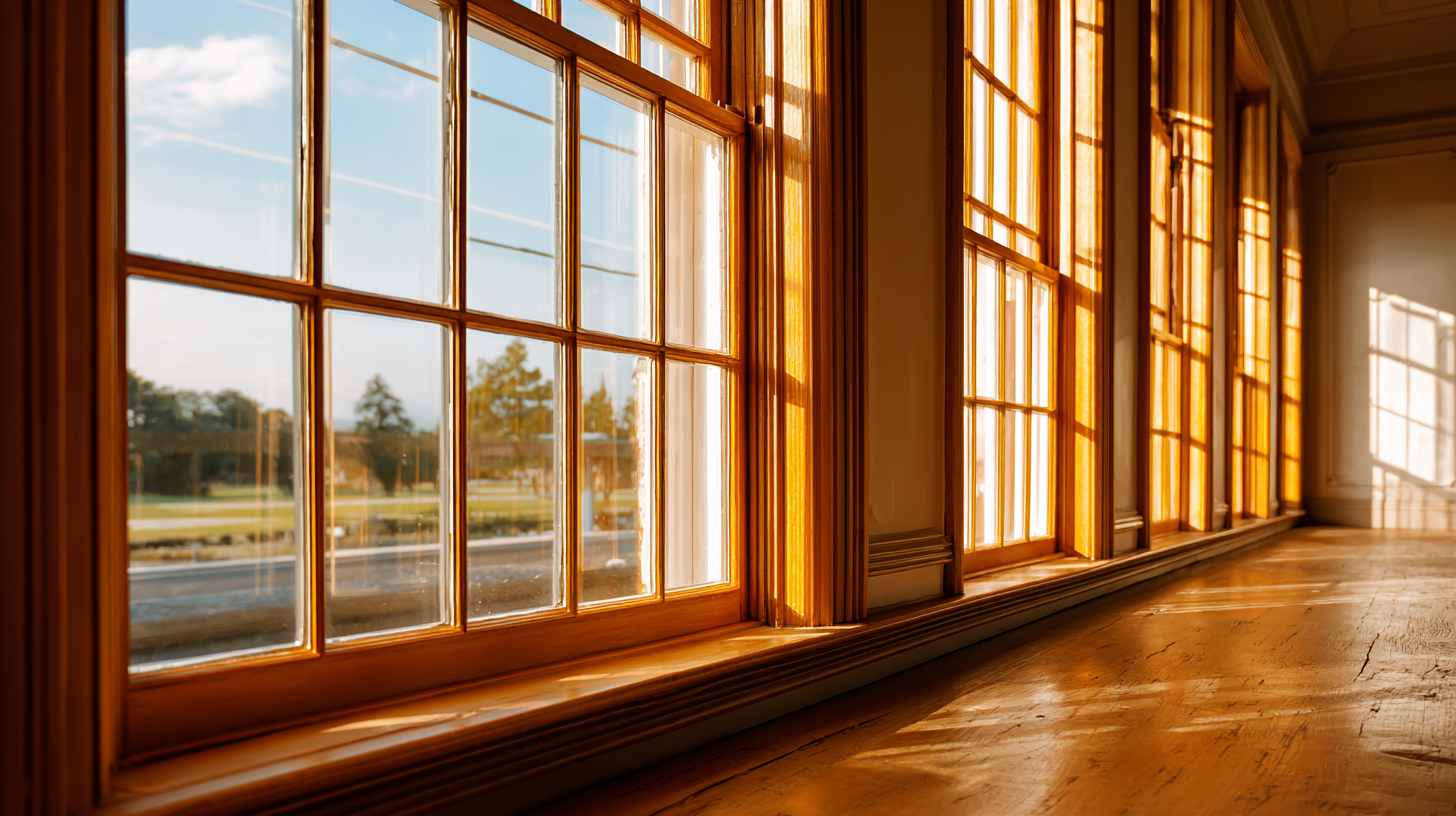 Fire rated windows play a crucial role in ensuring safety in building designs, particularly in fire-prone areas. They serve as a barrier that prevents the spread of fire and smoke, thereby protecting the occupants and allowing safe egress during emergencies. Recent developments in fire-resistive glass have enhanced designers' ability to incorporate transparency and daylighting without compromising safety. This innovation allows for a visual connection to the outdoors, enhancing the overall experience in environments such as campuses, while still adhering to stringent building codes.
In places like California and Boulder, new regulations are pushing for increased fire resistance in residential and commercial construction. By mandating fire-rated materials and designs, authorities aim to minimize the risks posed by wildfires. Fire rated windows are not just an aesthetic choice but a critical component of fire safety strategies, contributing to the resilience of buildings in the face of potential threats. As designers and builders respond to these evolving safety standards, the integration of fire rated windows will remain a key focus for achieving both safety and functionality in modern architecture.
Key Benefits of Installing Fire Rated Windows for Homeowners
 Fire rated windows offer significant advantages for homeowners looking to enhance safety while complying with building codes. One of the key benefits is improved fire safety, as these windows are specifically designed to withstand high temperatures and prevent flames from spreading indoors. This is crucial for homes located in areas prone to wildfires, where every precaution matters. By installing fire rated windows, homeowners can significantly reduce the risk of fire damage and potentially lower their insurance premiums, as many insurers recognize the added protection these features offer.
Additionally, fire rated windows contribute to the overall structural integrity of a home during an emergency. In the aftermath of wildfires, rebuilding efforts reveal how important it is to utilize fire-resistant materials. Homes designed with fire rated features are not only better equipped to protect occupants but also ensure that firefighters can more effectively combat fires without risking their safety due to compromised structures. As homeowners face the challenge of making their properties more resilient, fire rated windows stand out as a practical investment for both safety and compliance with evolving building codes.
How to Choose the Right Fire Rated Windows for Your Property
When selecting fire-rated windows for your property, it's crucial to consider both safety standards and design aesthetics. Fire-rated windows are engineered to withstand heat and prevent the spread of flames, making them an essential component of any fire-resistant building plan. In areas prone to wildfires, such as those recently impacted around Los Angeles, these windows can play a vital role in protecting your home. Choosing windows that meet local building codes not only enhances safety but can also improve the overall resilience of your property.
One important aspect to consider is the material of the windows. Fire-resistant materials, such as tempered glass or specialized vinyl, offer excellent protection while maintaining an eco-friendly approach. This aligns with the increasing trend of using sustainable materials like hempcrete in construction, which balances environmental concerns with the need for safety. By prioritizing materials and design that resist fire, homeowners can create a defensible space around their properties, ultimately safeguarding their investments against potential disasters.
Understanding Fire Resistance Ratings: What You Need to Know
Fire resistance ratings are crucial for ensuring safety in buildings, particularly in areas vulnerable to fire hazards. These ratings indicate how long a window, door, or other building element can withstand exposure to fire while maintaining the integrity of the structure. Understanding these ratings is essential for architects, builders, and property owners, as they directly correlate to adherence to building codes and standards designed to protect lives and property.
Typically, fire resistance is measured in hours, such as 30, 60, or 90 minutes, indicating the duration the window can prevent the passage of flames and smoke. Factors influencing these ratings include the materials used, design features, and the specific testing methods employed. In commercial buildings, especially those housing high occupancy loads or hazardous materials, complying with fire resistance codes is not just a legal responsibility but a moral one, ensuring that occupants have safe escape routes during emergencies. Proper selection and installation of fire-rated windows can significantly enhance a building's overall fire safety strategy.
Compliance with Local Building Codes: Fire Rated Windows Essentials
Fire rated windows play a crucial role in enhancing safety and complying with local building codes. These windows are designed to resist the spread of flames and smoke, providing essential time for occupants to evacuate during a fire. In many jurisdictions, building codes mandate the use of fire rated windows in specific areas, especially in multi-unit residential buildings. This alignment with compliance not only ensures the safety of the occupants but also protects property and can potentially reduce insurance costs.
When selecting fire rated windows, it’s important to understand the various flammability codes and standards that apply, as these can differ significantly by region. Knowledge of specific requirements can help builders and property owners make informed decisions. For instance, the Building Sustainability Index (BASIX) in New South Wales emphasizes the use of sustainable practices, which often encompasses selecting fire-resistant materials alongside energy efficiency goals.
**Tips:** Ensure that the fire rated windows installed comply with the local building codes, and consider consulting a fire safety expert to evaluate your building’s specific needs. Regular inspections and maintenance of fire rated windows are vital to ensure they function correctly when needed. Additionally, educating tenants about the importance of these windows can promote a proactive approach to fire safety.
Understanding Fire Rated Windows Compliance
This chart illustrates the percentage of different fire rated window types in compliance with local building codes across various regions. The data reflects the importance of adhering to safety standards for fire prevention.