Understanding the Importance of Fire Rated Glass Doors for Building Safety
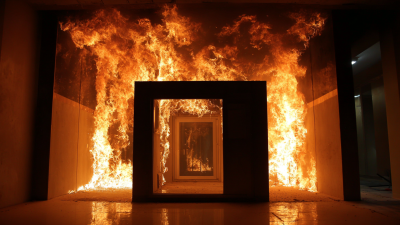
In modern architecture, ensuring safety and adhering to building codes is paramount, particularly in fire prevention measures. One of the key components in creating a fire-safe environment is the use of fire rated glass doors. According to a report by the National Fire Protection Association (NFPA), fires in buildings can lead to significant loss of life and property, making preventative measures essential. Fire rated glass doors serve as an effective barrier, capable of withstanding high temperatures for a specified duration while still maintaining visibility and aesthetic appeal.
The increasing emphasis on safety regulations has led to advancements in fire rated materials, with the Glass Association of North America (GANA) noting a substantial rise in the use of fire rated glass products across various sectors. Fire rated glass doors not only comply with stringent building codes but also contribute to the overall integrity of fire protection systems in commercial and residential buildings. By effectively compartmentalizing spaces, these doors are instrumental in preventing the spread of smoke and flames, thereby safeguarding occupants and minimizing damage.
As urban areas continue to grow and buildings reach greater heights and complexities, incorporating fire rated glass doors becomes essential for enhancing building safety. Their dual functionality in fire protection and design flexibility makes them an indispensable choice for architects and builders aiming to meet both safety standards and aesthetic requirements. Understanding their importance is critical, as it aligns with a broader commitment to safety in the built environment.

The Role of Fire Rated Glass Doors in Enhancing Building Safety Standards
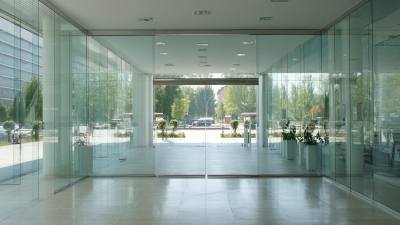
Fire rated glass doors play a crucial role in enhancing building safety standards, particularly in the context of modern architectural design. These doors combine functionality with aesthetics, allowing for greater transparency and natural light while simultaneously providing essential fire protection. The advancement of fire-resistive glass technology has enabled architects to design environments that prioritize both safety and the user experience, making them especially valuable in settings such as educational campuses where both safety and openness are paramount.
The implementation of fire rated glass doors not only complies with stringent safety regulations but also contributes to the overall ambiance of a building. By facilitating visual connections between spaces while maintaining safety protocols, these doors help create an inviting atmosphere without compromising on protection. This balance is essential in today's buildings, where fostering community interaction and ensuring occupant safety are equally prioritized. As new fire safety standards emerge, the integration of fire rated solutions like glass doors will continue to be a significant factor in future building designs.
Understanding the Importance of Fire Rated Glass Doors for Building Safety
| Feature |
Description |
Standard Rating |
Applications |
| Fire Resistance |
Prevents the spread of fire from one area to another. |
30-120 minutes |
Commercial buildings, hospitals |
| Security |
Provides a barrier against unauthorized entry. |
N/A |
Retail stores, offices |
| Transparency |
Allows visibility while maintaining safety. |
N/A |
Public spaces, lobbies |
| Aesthetics |
Enhances the design feature of buildings. |
N/A |
Commercial and residential projects |
| Environmental Considerations |
Often made from recyclable materials. |
N/A |
Sustainable buildings |
Key Industry Metrics: Fire Resistance Ratings and Compliance Regulations
Fire rated glass doors play a crucial role in enhancing building safety by offering a barrier against fire and smoke, thus providing occupants valuable time to evacuate in emergencies. Understanding the fire resistance ratings of these doors is essential for compliance with safety regulations and building codes.
According to the National Fire Protection Association (NFPA), fire rated glass can typically resist flames for a duration ranging from 20 minutes to 3 hours, depending on the specific rating. This segmentation into categories such as 20, 45, 60, and 90-minute ratings provides architects and builders with options tailored to various safety and architectural needs.
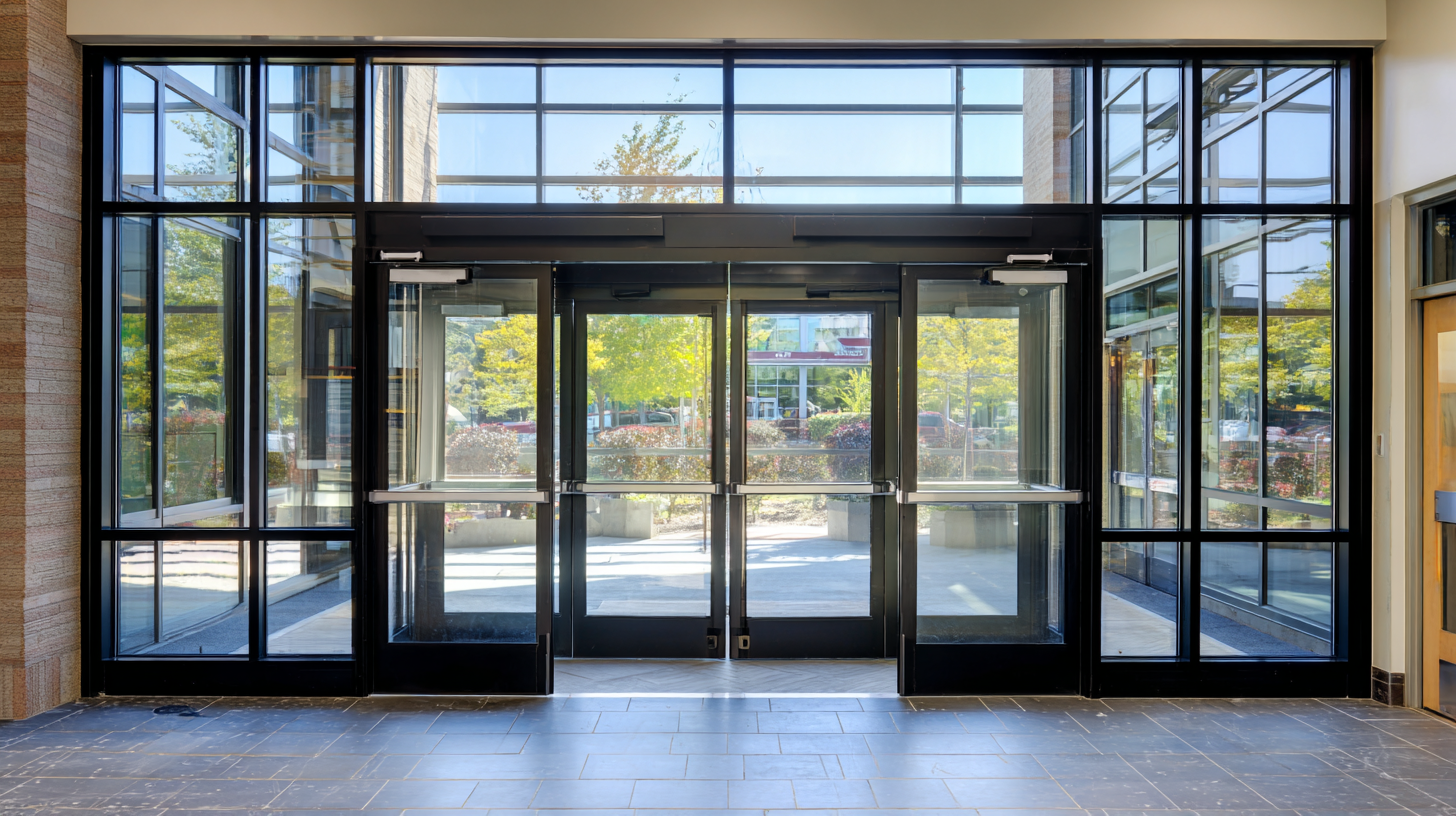
Compliance with industry regulations, such as those set forth by the Underwriters Laboratories (UL) and the International Building Code (IBC), is vital. These organizations detail stringent testing and performance criteria that fire rated glass doors must meet to ensure they perform effectively during a fire incident. Industry reports indicate that buildings adhering to these regulations not only enhance safety but also significantly reduce the risk of catastrophic losses. An estimated 60% of commercial building fires could be contained using properly installed fire rated barriers, underscoring the importance of integrating such features into modern building designs.
Types of Fire Rated Glass: Tempered, Laminated, and Insulated Options
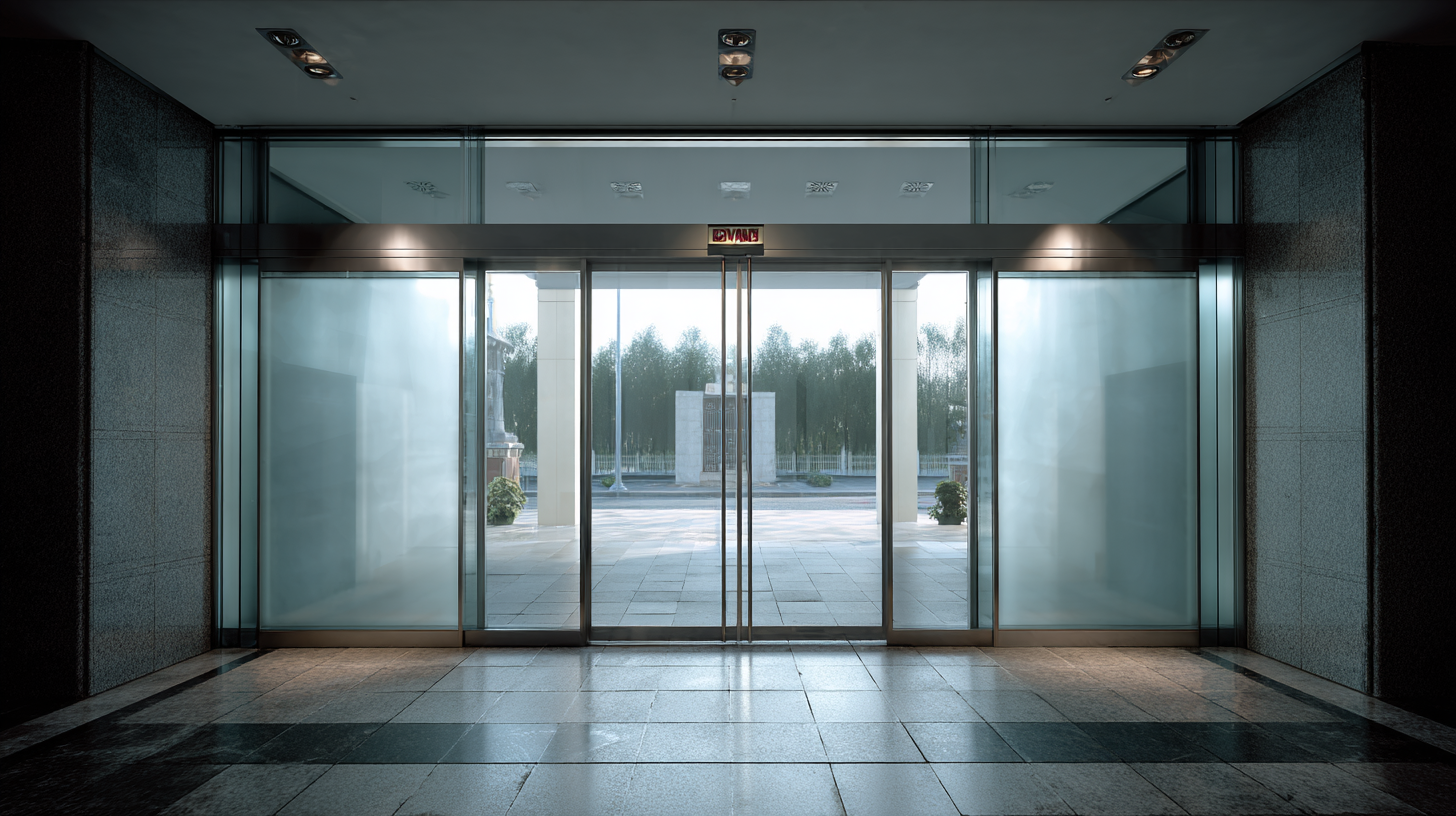 Fire rated glass doors are critical components in enhancing building safety, and they come in various types, each serving distinct purposes. The three main types include tempered, laminated, and insulated glass options.
Tempered glass is known for its strength and thermal resistance. During manufacturing, it undergoes a heating and cooling process, which makes it more durable under extreme temperatures. This makes it suitable for applications where safety and stability are paramount, as it can withstand heat without shattering.
Laminated glass, on the other hand, consists of multiple layers of glass bonded together with a durable interlayer. This design not only enhances its fire resistance but also provides additional benefits such as sound insulation and protection against impact. In the event of a fire, laminated glass remains intact, preventing the spread of smoke and flames, thus contributing to overall safety.
Insulated glass, often utilized in exterior walls or windows, incorporates air or gas-filled spaces between the glass panes. This insulation helps to maintain temperature control while also adding an extra layer of fire protection. The combination of these glass types ensures that buildings can efficiently manage fire hazards, protecting occupants and providing critical time for evacuation during emergencies. Each type of fire rated glass brings its unique advantages, reinforcing the importance of selecting the right option for building safety.
The Impact of Fire Rated Glass Doors on Fire Escape Routes and Accessibility
Fire rated glass doors play a crucial role in maintaining fire escape routes and ensuring accessibility in buildings. These doors are designed to withstand high temperatures and prevent the spread of flames and smoke, providing safe evacuation paths during emergencies. According to the National Fire Protection Association, nearly 70% of fires occur in residential buildings, highlighting the need for effective fire safety measures such as fire rated glass doors. By allowing visibility while still offering protection, these doors help occupants make informed decisions during an evacuation, ultimately improving overall safety.
Moreover, the implementation of fire rated glass doors can significantly enhance accessibility, which is particularly important in small blocks where space is limited. The updated fire safety regulations, including the recent lowering of the height threshold for second stairways in residential buildings, emphasize the necessity for solutions that not only meet safety standards but also provide seamless mobility. Reports indicate that transparent fire-rated designs can facilitate better daylighting and visibility, creating a more inviting environment without compromising safety. As building safety continues to evolve, integrating fire rated glass doors will ensure that escape routes remain both practical and safe for all occupants.
Impact of Fire Rated Glass Doors on Building Safety
Cost-Benefit Analysis: Investing in Fire Rated Glass for Long-Term Safety Compliance
Investing in fire rated glass doors is not just a compliance necessity; it is a strategic decision that can yield significant long-term benefits. While the initial cost may be higher than standard doors, the durability and safety these specialized doors provide can result in substantial savings over time. Fire rated glass offers transparency alongside protection, allowing for visibility without compromising safety. This feature is especially beneficial in various commercial settings where monitoring environments is crucial while ensuring limited fire spread.
Moreover, the implementation of fire rated glass doors can enhance a building's overall safety compliance status. Many jurisdictions have strict regulations regarding fire safety, and opting for these rated doors can reduce the risk of costly fines and renovations down the line. In the long run, investing in fire rated glass not only increases the safety of occupants but also bolsters the property’s value by demonstrating a commitment to safety and compliance. The combination of compliance assurance, potential insurance savings, and increased property value makes fire rated glass a wise investment for any facility manager or property owner.