10 Essential Tips for Choosing Hurricane Rated Windows for Your Home

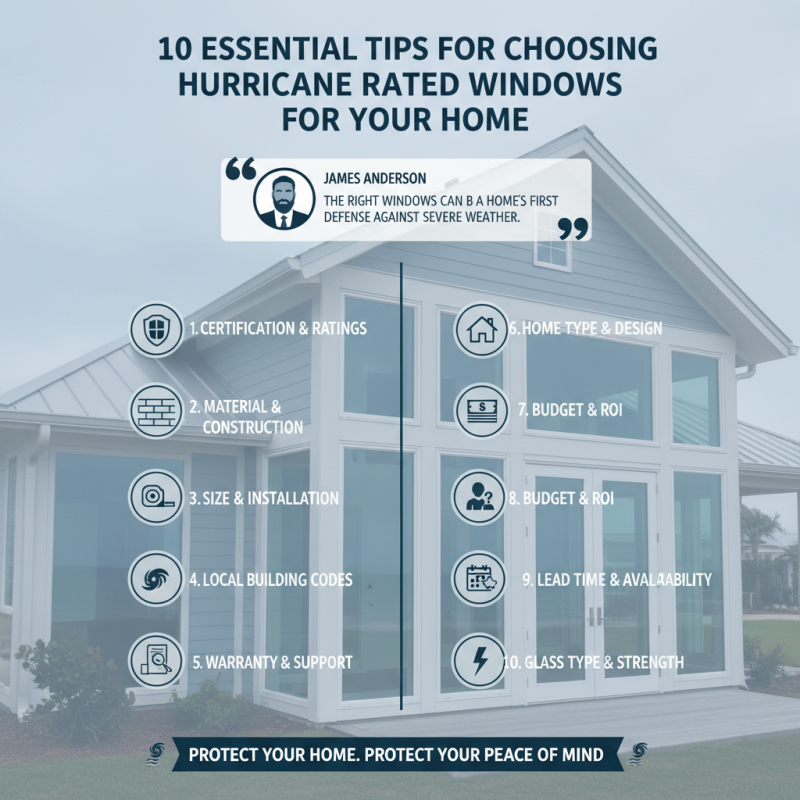
When investing in hurricane rated windows, making the right choice is crucial. Expert James Anderson, a leading figure in hurricane safety, once stated, “The right windows can be a home’s first line of defense against severe weather.”

Hurricane rated windows provide essential protection for homes in vulnerable regions. They are built to withstand strong winds and flying debris. Choosing the right product involves careful consideration of various factors. The materials and construction of these windows directly impact their durability. Selecting the proper size also ensures a secure fit during a storm.

Some homeowners may feel overwhelmed by the array of options. Many assume all hurricane rated windows offer the same level of security. However, this is a misconception. Each window has unique ratings and features. Homeowners should reflect on their specific needs and local conditions. Before making decisions, careful research and consultation with experts can offer valuable insights.
10 Essential Tips for Choosing Hurricane Rated Windows for Your Home

Understanding Hurricane Rated Windows and Their Importance

Hurricane rated windows are crucial for protecting homes in storm-prone areas. They are designed to withstand high winds and flying debris. According to the American Society for Testing and Materials (ASTM), these windows can endure wind pressures up to 150 mph. This resilience significantly reduces the risk of property damage during severe weather events.

Selecting the right windows can be challenging. Many confuse hurricane-rated windows with standard windows. A study by the Institute for Business & Home Safety (IBHS) highlights that homes with hurricane-rated windows experience 60% less damage than those without. Homeowners should also consider the installation. Poorly installed windows can fail even if they are rated for hurricanes.

Investing in hurricane-rated windows is not just about safety; it’s about long-term savings. The National Oceanic and Atmospheric Administration (NOAA) states that storm damage costs homeowners billions each year. Properly chosen and well-installed hurricane-rated windows can mitigate these financial losses. Yet, some homeowners overlook the necessity of regular maintenance. Even high-quality windows can deteriorate if not cared for properly.

10 Essential Tips for Choosing Hurricane Rated Windows for Your Home

Tip Number Tip Description
1 Check Ratings Ensure windows meet local hurricane codes and are tested for impact resistance.
2 Material Matters Choose durable materials such as vinyl, fiberglass, or aluminum for strength.
3 Impact-Resistant Glass Select laminated glass to reduce shattering during storms.
4 Proper Installation Hire certified professionals for proper fitting to ensure effectiveness.
5 Energy Efficiency Look for windows that provide good insulation to reduce energy costs.
6 Design and Aesthetics Consider how the windows will complement the overall look of your home.
7 Warranty Options Verify the warranty for materials and installation for long-term peace of mind.
8 Noise Reduction Choose windows designed to minimize outside noise for a quieter home.
9 Cost and Budget Plan your budget and compare costs while considering long-term value.
10 Consult Experts Seek advice from professionals who specialize in hurricane protection.

Key Features to Look for in Hurricane Rated Windows

10 Essential Tips for Choosing Hurricane Rated Windows for Your Home

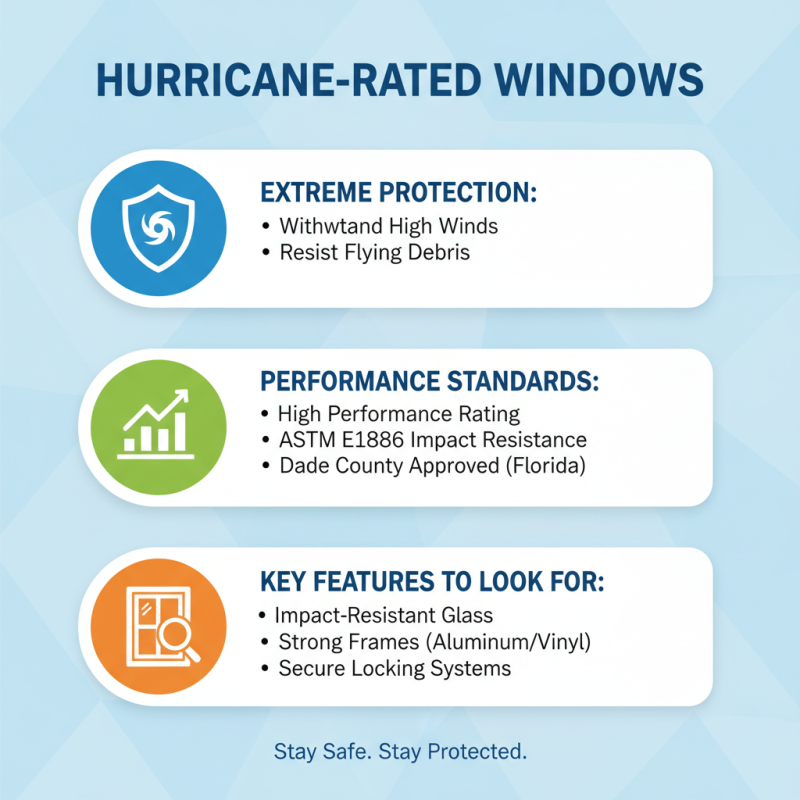
When selecting hurricane-rated windows, key features play a vital role. These windows must endure extreme winds and flying debris. Look for windows with a high performance rating. Standards set by the American Society for Testing and Materials (ASTM) can help guide your choices. Windows should pass rigorous tests, including the ASTM E1886 for impact resistance. A rating of Dade County approval ensures they meet Florida’s hurricane standards.

Impact-resistant glass is a hallmark of quality windows. This glass can absorb significant force without shattering. According to the National Association of Home Builders, using such glass can reduce the risk of injury and property damage. Check frame materials too. Aluminum, fiberglass, and vinyl resist corrosion and provide better insulation.

Another key feature is proper installation. Even the best windows will fail if poorly installed. A report from the Institute for Business & Home Safety highlights that improper installation can lead to failures in as little as one storm season. The choice of sealant also matters. Ensure a weather-tight seal to prevent leaks. Make sure to communicate with contractors about these details.

Materials and Construction Techniques for Maximum Durability

10 Essential Tips for Choosing Hurricane Rated Windows for Your Home

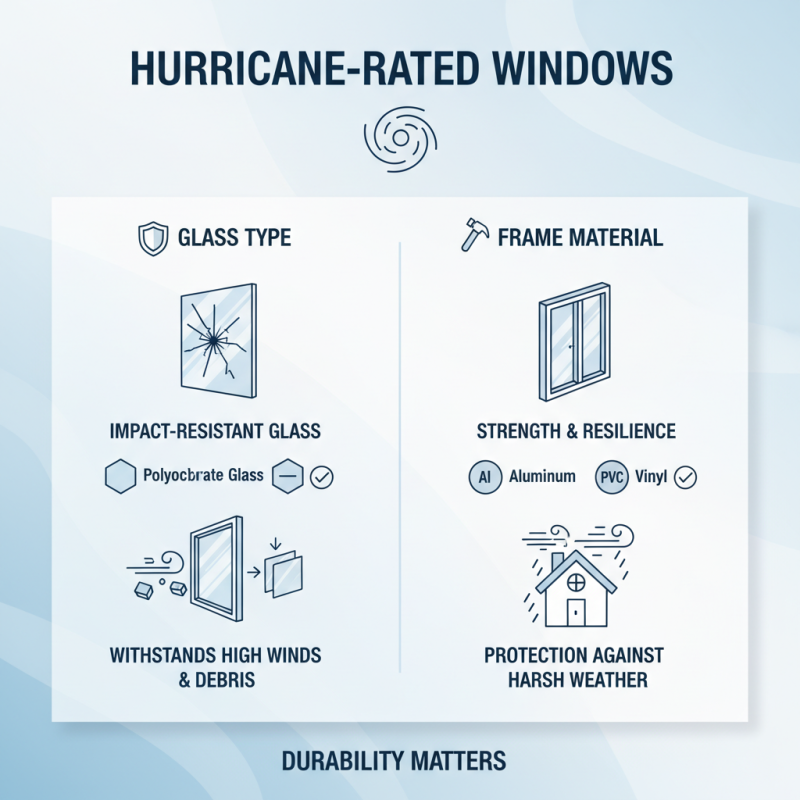
When selecting hurricane-rated windows, materials and construction techniques play a crucial role in ensuring their durability. Look for windows constructed from impact-resistant glass. This type of glass can withstand high winds and debris. Polycarbonate and laminated glass are excellent options, as they provide additional protection. The frame material also matters. Aluminum and vinyl frames offer strength and resilience against harsh weather.

It's important to understand the ratings. Hurricane windows come with specific design pressure ratings. This indicates how well they can endure extreme conditions. A higher rating means better performance. Pay attention to the installation process. Even the best windows can fail if not installed correctly. Hiring experienced professionals can make a significant difference in your home's safety.

When examining construction techniques, consider the sealing of windows. High-quality seals prevent water leakage and air infiltration. Poor sealing can lead to costly repairs. Create a checklist of potential weaknesses and address them. Look for signs of wear or deterioration. Reflect on whether your windows are doing their job effectively. A proactive approach ensures that your home remains safe against future storms.

Assessing Wind Load and Impact Resistance Ratings

When selecting hurricane-rated windows, understanding wind load and impact resistance ratings is crucial. These factors determine how well your windows can withstand severe weather conditions. Wind load refers to the amount of pressure a window can handle when strong winds hit. Conversely, impact resistance ratings indicate how well a window can resist flying debris.

Consider these tips. Check the specifications for wind load. Aim for windows that exceed local building codes. Look for impact ratings that comply with ASTM standards. These metrics reveal how much pressure the window can endure. Inspect the installation quality, too. Even the strongest windows fail if poorly installed.

Don’t overlook materials. Vinyl, wood, and aluminum are common. Each has its own performance characteristics. Evaluate the pros and cons carefully. Some homeowners make the mistake of prioritizing appearance over safety. Remember that a stylish window may not provide the protection you need. Prioritize functionality along with aesthetics. Ultimately, the right choice can save your home during a storm.

Cost Considerations and Installation Tips for Homeowners

When selecting hurricane-rated windows, cost is a significant factor. Budgeting for these windows involves more than just their purchase price. Homeowners should account for installation costs, which can vary based on window type and local labor rates. A professional installation is crucial for ensuring maximum effectiveness against storms. If you opt for DIY, you might save money, yet your inexperience could lead to issues later.

Additionally, be aware that hurricane-rated windows may have a higher upfront cost. However, consider the long-term savings they offer. These windows can reduce energy bills and increase your home’s value. While it might be tempting to choose cheaper options, reflect on the potential risks. You don’t want to compromise safety for initial savings.

Consider local building codes and climate when making your choice. Some regions have specific requirements for hurricane-rated windows. Failure to comply can lead to unexpected expenses down the road. It's essential to gather multiple quotes and consult with local experts. Take your time to weigh your options carefully. A rushed decision may lead to regrets if the windows don’t perform as needed during a storm.