Why Choose HDPE Cutting Board Material for Your Kitchen Needs
When it comes to kitchen essentials, the choice of materials plays a vital role. One standout option is Hdpe Cutting Board Material. This high-density polyethylene not only offers durability but also provides unique benefits for food preparation. Many chefs, both amateur and professional, swear by its effectiveness.
HDPE cutting boards are non-porous, which means they resist bacteria and stains. This feature is essential for maintaining a safe cooking environment. Yet, some may wonder about the potential downsides of this material. It can scratch over time, leading to concerns about hygiene and longevity. Reflecting on this, it's crucial to care for your board properly to maximize its lifespan.
Moreover, HDPE cutting board material is lightweight and easy to handle. Its versatility allows it to fit into various kitchen styles. However, the aesthetic appeal might not resonate with everyone. Balancing functionality with visual preferences can be challenging. In any case, understanding the advantages and limitations of HDPE will help you make an informed choice for your kitchen needs.
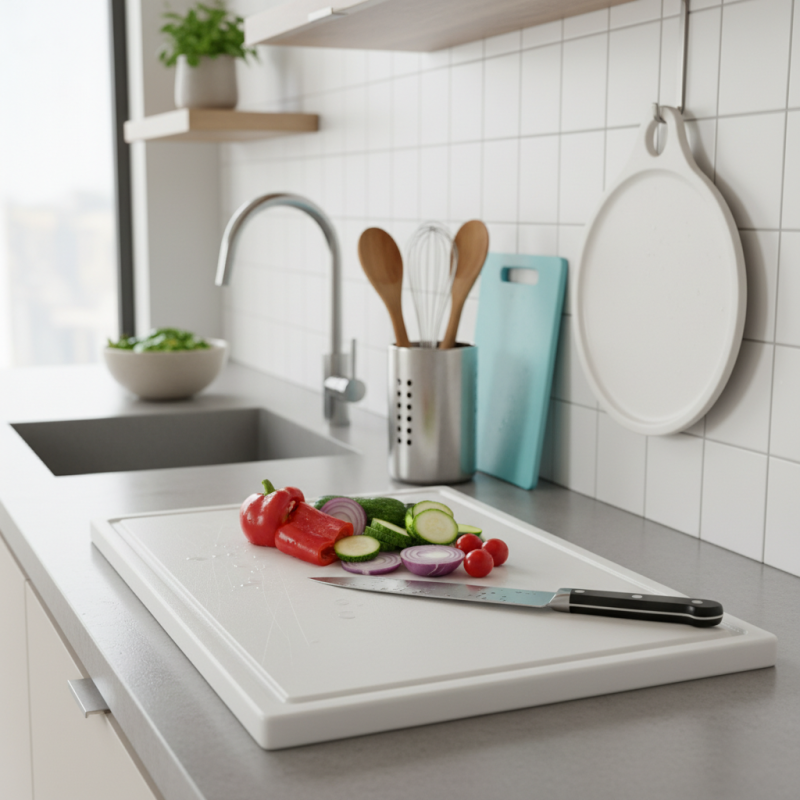
Understanding HDPE: Properties and Benefits for Kitchen Use
HDPE, or High-Density Polyethylene, is becoming a favorite material for kitchen cutting boards. This popularity stems from its unique properties. It is dense and strong, resisting cracks and grooves that can trap bacteria. Many chefs prefer HDPE because it's durable and easy to clean. A quick wash, and it's ready for the next meal prep.
One of the key benefits of HDPE is its non-porous nature. This means it does not absorb food juices or odors, which is essential for maintaining hygiene in the kitchen. Unlike wood, HDPE does not warp when exposed to moisture. It also withstands higher temperatures, meaning it won't easily melt if exposed to hot pans. However, some users may find it less aesthetically pleasing compared to wooden boards.
Despite these advantages, it's important to consider personal preferences. Some users may miss the traditional feel of wood under their knife. Others might find HDPE boards less stable for cutting. Reflecting on these factors helps in choosing the right cutting board for individual needs. Ultimately, understanding the properties of HDPE is crucial for making an informed choice in the kitchen.
Comparison of HDPE with Other Cutting Board Materials
When choosing a cutting board, material matters. HDPE, or high-density polyethylene, stands out among various options. Unlike wood, HDPE boards are non-porous. They don’t absorb bacteria or odors, making them a safer choice for food preparation. This is crucial in preventing foodborne illnesses.
In contrast, wooden boards require more maintenance. They need regular oiling to prevent cracking. Additionally, they can harbor bacteria in their grooves over time. Glass boards, while easy to clean, can dull knives quickly. They also pose a risk of chipping or breaking when dropped. Each material has its pros and cons, but HDPE provides a balanced option for everyday use.
Some users might feel that HDPE lacks the beauty of wood. This is a valid point. Aesthetics can enhance kitchen decor. However, the durability and hygiene benefits of HDPE often outweigh decorative concerns. Choosing the right board involves weighing these factors carefully.
Health and Safety Considerations of HDPE Cutting Boards
HDPE cutting boards offer numerous health and safety benefits for your kitchen. Made from high-density polyethylene, these boards are non-porous, which means they resist bacteria growth. Unlike wood or traditional plastic boards, HDPE does not absorb moisture. This feature helps to keep your food safer during meal preparation.
A key point to consider with HDPE boards is maintenance. While they are durable, they can still harbor bacteria in deep cuts or grooves. Regularly inspecting your board for wear is essential. If you notice excessive damage, it might be time to replace it.
Tips: Clean your HDPE cutting board with hot, soapy water after each use. Avoid using harsh chemicals that can degrade the board's material. Consider using a food-safe sanitizer for extra protection. Additionally, store your board in a dry area to prevent any moisture accumulation. Regular care can enhance the longevity and safety of your cutting board.
Maintenance and Care Tips for HDPE Cutting Boards
When it comes to maintaining HDPE cutting boards, proper care is essential to ensure longevity and hygiene. HDPE, or high-density polyethylene, is a durable material prized for its resistance to impact and moisture. Regular cleaning is crucial, and experts recommend washing these boards with hot, soapy water after each use. A study by the USDA suggests that plastic cutting boards can be less likely to harbor bacteria compared to wooden ones, provided they are cleaned properly.
Despite their resistance, scratches can occur over time. These scratches can trap bacteria, making it essential to inspect your boards regularly. If visible cuts and grooves appear, consider sanding the board lightly to smooth its surface. According to the Center for Disease Control and Prevention (CDC), these maintenance steps can significantly reduce the risk of cross-contamination in your kitchen.
Storing HDPE cutting boards properly can also extend their life. Avoid stacking heavy items on them, as this can warp the material. Keep them in a cool, dry place to prevent any potential warping or degradation. While HDPE cutting boards are highly reliable, some users report that they can slip on countertops. Using a damp cloth underneath can provide stability. Taking these steps ensures that your HDPE cutting board remains an essential kitchen tool for longer.
Benefits of HDPE Cutting Boards
Sustainability and Environmental Impact of HDPE Materials
When selecting materials for kitchen needs, HDPE cutting boards stand out for their sustainability. HDPE, or high-density polyethylene, is a recyclable material. According to the Association of Paper and Paperboard Packaging Environmental Committee, recycled HDPE can save twice the energy compared to producing new plastic. This significant reduction in energy consumption highlights the environmental benefits of using HDPE.
The production of HDPE generates fewer greenhouse gases compared to alternatives. A 2021 report from the Environmental Protection Agency noted that using recycled HDPE can cut emissions by more than 50%. These figures illustrate the positive impact of switching to HDPE for kitchen needs. The recyclable nature of HDPE helps reduce landfill waste, promoting a circular economy. However, challenges remain in recycling infrastructure in many areas.
While HDPE is a robust option, it does not completely eradicate environmental concerns. The manufacturing process still relies on fossil fuels, which prompts reevaluation of its environmental footprint. A further exploration of the lifecycle of HDPE reveals areas for improvement. Addressing these challenges can create a more sustainable approach to kitchen essentials.