How Fire Resistant Glass Can Enhance Building Safety: Key Facts, Standards, and Industry Insights
The importance of building safety has become increasingly critical as urbanization and construction activities surge globally. Among the various components that contribute to safe building designs, fire resistant glass stands out as a vital element. According to a report by the Fire Safety Engineering Journal, the introduction of fire resistant glazing in commercial buildings can reduce fire spread and enhance occupant safety by up to 30%. Furthermore, the National Fire Protection Association (NFPA) indicates that 80% of fire-related injuries occur in structures lacking adequate fire safety materials. As regulations evolve, standards for fire resistant glass continue to be updated, reflecting advancements in technology and materials science. This enhanced glass not only provides visibility and aesthetic appeal but also plays a critical role in compartmentalizing fires, thereby saving lives and property.

This article will delve into the key facts, standards, and industry insights surrounding fire resistant glass, underscoring its significance in modern architectural practices.
Benefits of Fire Resistant Glass in Modern Architecture
Fire resistant glass plays a crucial role in enhancing the safety of modern architecture by offering essential benefits that protect both lives and property. According to a report by the National Fire Protection Association (NFPA), structure fires result in significant economic losses, with estimated costs exceeding $14 billion annually in the U.S. alone. By incorporating fire resistant glass, building owners can greatly improve their structures' safety ratings and minimize damage during a fire incident. This specialized glass can withstand high temperatures and prevent flames and smoke from spreading, thereby providing vital escape time for occupants and reducing risks for first responders.
Moreover, the use of fire resistant glass contributes to building compliance with various safety standards set by organizations such as Underwriters Laboratories (UL) and the American National Standards Institute (ANSI). These standards emphasize the importance of materials that can endure fire exposure while maintaining visibility and aesthetics. For instance, fire rated glass can provide up to four hours of protection, allowing for strategic design solutions in both commercial and residential spaces. As modern architecture increasingly prioritizes safety alongside style, fire resistant glass emerges as an indispensable component, ensuring that buildings remain secure without compromising on design integrity.
Benefits of Fire Resistant Glass in Modern Architecture
This chart illustrates various benefits of fire resistant glass in modern architecture. Each category is rated on a scale from 1 to 10, showcasing how these qualities enhance building safety and performance.
Key Standards Governing Fire Resistant Glass Applications
 Fire resistant glass plays a critical role in enhancing building safety, particularly in areas prone to fire hazards. Understanding the key standards governing its applications is essential for architects, builders, and safety professionals. Standards such as BS 476 in the UK and NFP 5000 in the USA outline specific performance criteria that fire resistant glass must meet, ensuring that it can withstand high temperatures and prevent the spread of flames and smoke. These regulations help establish a baseline for quality and safety in fire-resistant installations.
Tips for ensuring compliance with fire resistant glass standards include regularly consulting updated codes and regulations that may affect your projects. Additionally, always verify the certification of the glass product, ensuring it meets the necessary standards for fire safety. Engaging with experienced suppliers who can provide detailed information about product performance can also streamline the compliance process.
It is crucial to integrate fire resistant glass in strategic building locations such as stairwells, elevators, and exterior walls facing potential fire threats. These applications not only contribute to overall building safety but also enhance aesthetic appeal, as modern fire resistant glass options can incorporate various designs and functionalities while maintaining robust protection.
Innovative Features of Fire Resistant Glass Technology
Fire resistant glass technology has made significant advancements in recent years, incorporating innovative features that enhance both safety and aesthetics in building designs. One of the standout characteristics is the ability to withstand high temperatures, often exceeding 1200°F (650°C), without compromising structural integrity. This capability is crucial in protecting occupants and property during a fire, providing critical time for evacuation and minimizing damage.
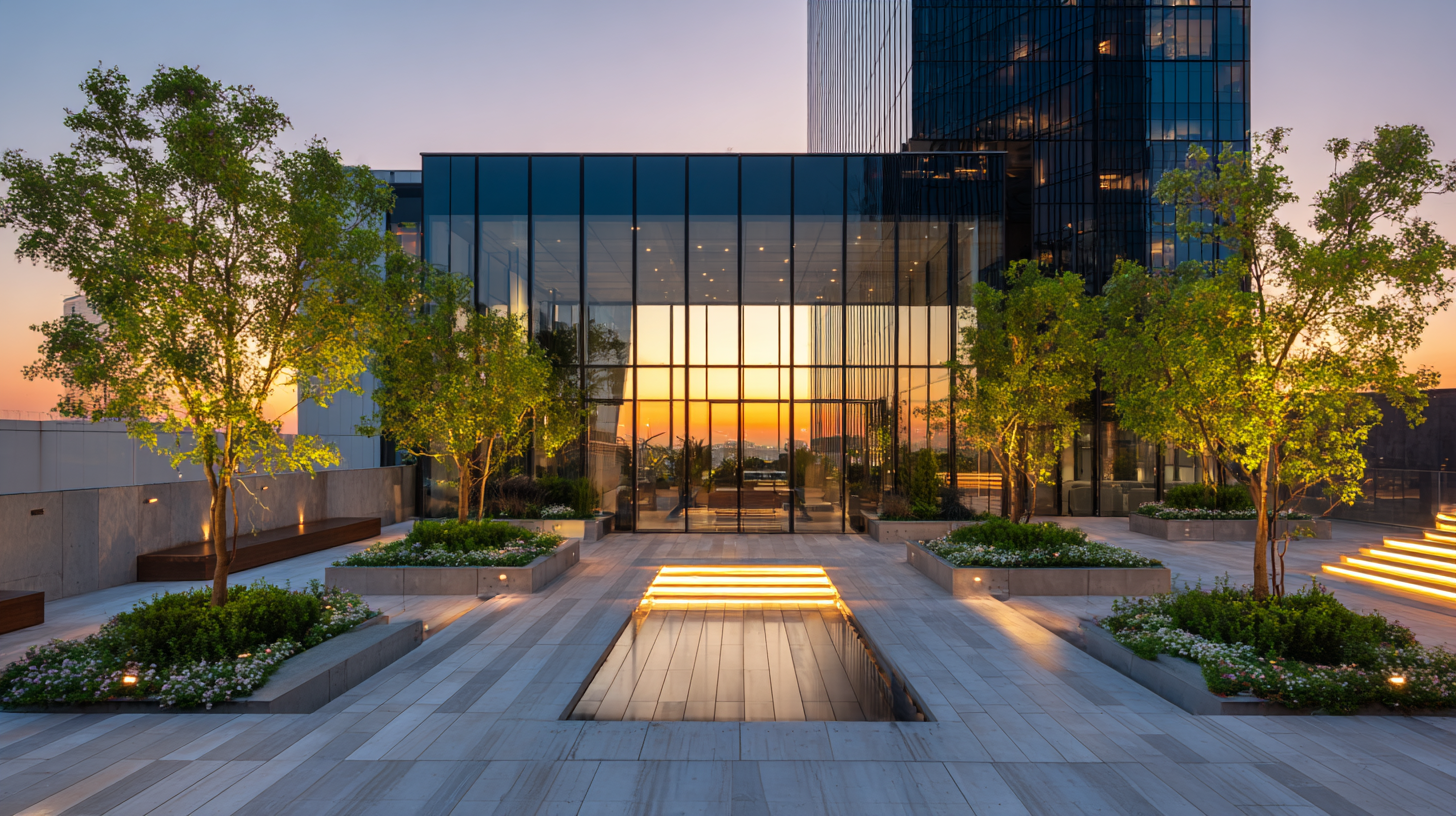
Additionally, modern fire resistant glass can offer improved visibility and natural light transmission, allowing for open and welcoming spaces without sacrificing safety. Some types come equipped with advanced coatings that reflect heat while maintaining clarity, helping to create energy-efficient environments. Furthermore, the integration of fire-rated glass into architectural designs is becoming a standard practice, with various shapes and thicknesses available to meet specific building codes and fire safety standards. These features position fire resistant glass as a vital component in contemporary safety protocols within the construction industry.
Comparative Analysis of Fire Resistant Glass vs. Traditional Solutions
When evaluating building safety, one critical aspect is the choice of materials, particularly regarding fire resistance. Fire resistant glass significantly outperforms traditional solutions like standard glazing or non-fire rated materials in terms of safety and performance during a fire event. Unlike ordinary glass, which can shatter and fail under heat, fire resistant glass is designed to withstand high temperatures and maintain its integrity, effectively shielding occupants and property from smoke and flames.
Furthermore, the construction industry is increasingly recognizing the importance of adhering to strict safety standards, which fire resistant glass fulfills with precision. Standards such as BS 476 and EN 1364 underline that this specialized glass can provide-rated fire resistance for specified durations, thereby preventing the spread of fire between different areas of a building. In contrast, traditional glazing offers no substantial fire barriers and can contribute to rapid fire spread, making modern fire resistant glass an essential choice for architects and builders seeking to enhance safety and comply with regulatory requirements.
How Fire Resistant Glass Can Enhance Building Safety: Key Facts, Standards, and Industry Insights - Comparative Analysis of Fire Resistant Glass vs. Traditional Solutions
| Feature |
Fire Resistant Glass |
Traditional Solutions |
| Fire Rating |
Up to 120 minutes |
Typically 30-60 minutes |
| Thermal Insulation |
High |
Moderate |
| Visibility |
Clear and unobstructed |
May reduce visibility |
| Weight |
Lighter options available |
Heavier and bulkier |
| Installation Complexity |
Generally easier |
More complex |
| Cost Effectiveness |
Higher initial cost, lower long-term |
Lower initial cost, higher maintenance |
| Compliance with Standards |
ISO 3008, EN 1364 |
Limited standards compliance |
Industry Trends and Future Prospects for Fire Safety Glass
The evolving landscape of fire safety glass technology reflects current industry trends focused on enhancing building safety standards. With growing awareness of fire hazards, architects and builders are increasingly opting for advanced fire-resistant glass solutions. These products not only provide superior protection against flames and smoke but also offer aesthetic advantages that complement modern architectural designs. Innovations in materials and manufacturing processes are enabling fire-resistant glass to meet stringent safety standards while maintaining transparency and structural integrity.
Tip: When selecting fire-resistant glass for your building project, ensure it complies with local fire safety regulations and certifications. Consulting with industry experts can help you make informed choices tailored to your specific needs.
Looking ahead, the future prospects of fire safety glass appear promising, with ongoing research aimed at improving thermal performance and fire ratings. The integration of smart technologies, such as sensors and monitoring systems, is likely to become a standard feature, enhancing the glass's effectiveness in emergency situations. As the demand for sustainable building practices rises, manufacturers are also focusing on eco-friendly production methods that do not compromise safety or performance.
Tip: Stay updated on industry certifications and advances in fire safety glass technologies, as these can significantly impact the safety and sustainability of your building projects.