Understanding Fire Rated Glazing: Essential Insights for Building Safety and Design
In the realm of building safety and design, understanding fire rated glazing is crucial for ensuring robust fire protection while maintaining aesthetic appeal. This innovative glazing technology plays a vital role in minimizing the spread of fire and smoke, ultimately safeguarding occupants and property. As architects and builders strive to create environments that are both visually striking and compliant with stringent safety regulations, grasping the nuances of fire rated glazing becomes essential. This guide will explore the various types of fire rated glazing, their applications, and the standards that govern their use, empowering professionals in the construction industry to make informed decisions. By prioritizing fire rated glazing in design strategies, we can enhance safety without compromising on style, contributing to a more resilient built environment.
Key Fire Rated Glazing Standards: What You Need to Know for Compliance
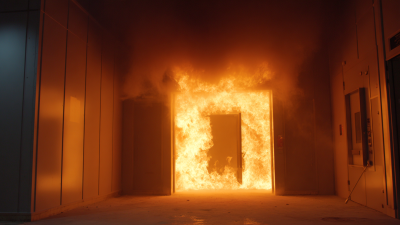
When it comes to fire rated glazing, understanding the key standards is crucial for compliance and safety in building design. According to the National Fire Protection Association (NFPA), glazed materials must meet specific fire-resistance ratings to effectively act as barriers against the spread of flames and smoke. The most relevant standards in the U.S. include ASTM E119, which covers the fire tests of building construction and materials, and UL 263, which outlines standard fire tests for building construction and materials. Adhering to these standards ensures that the glazing can withstand high temperatures and prevent fire from moving to other areas, thereby protecting life and property.
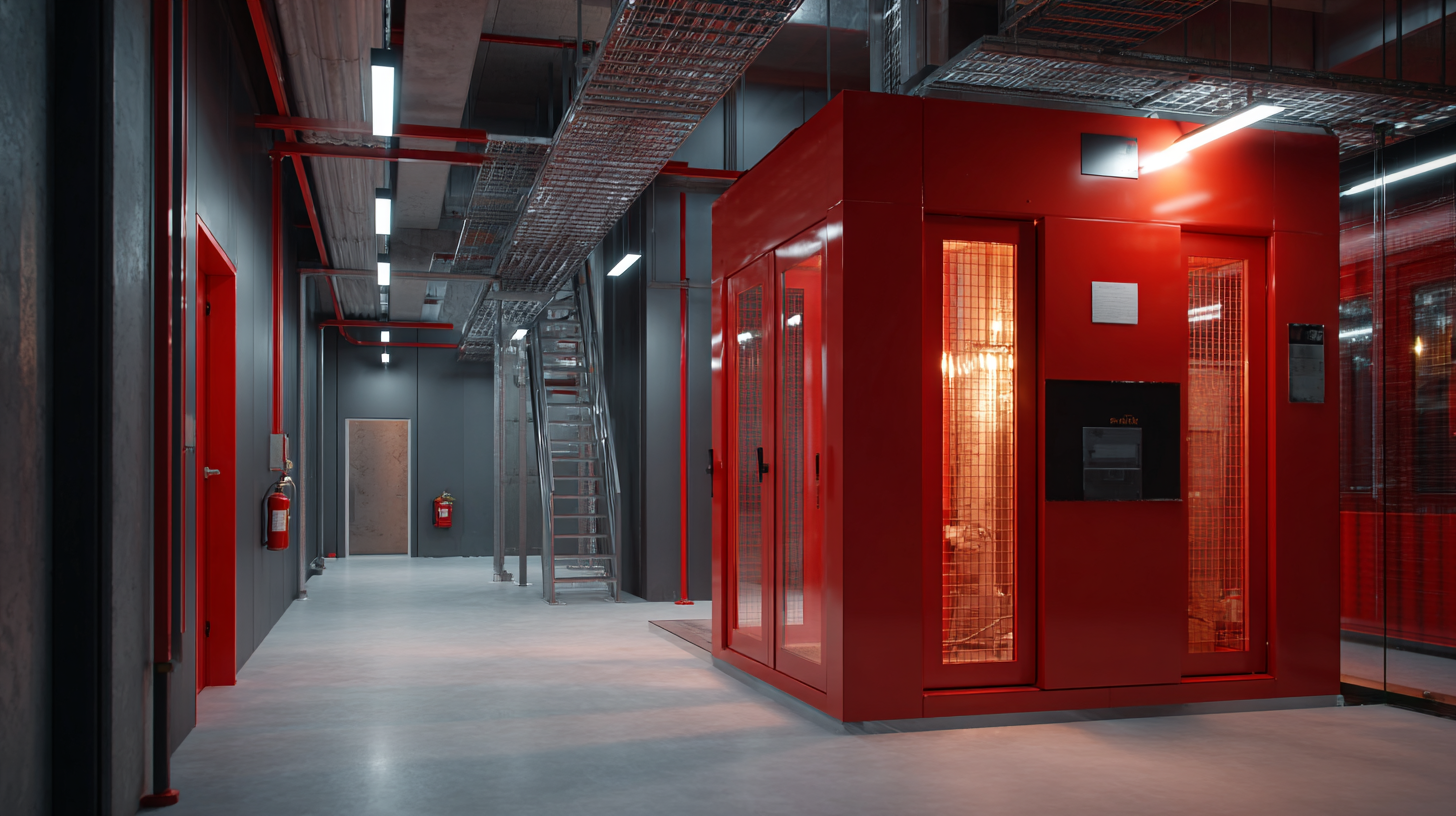
Recent statistics highlighted by the Fire Protection Research Foundation indicate that building fires accounted for over $14 billion in property damage in the U.S. alone in 2022. The integration of fire rated glazing plays a pivotal role in mitigating this risk. Fire rated glass is classified into categories such as 'fire protective' and 'fire resistive', where the former can limit temperature rise on the non-fire side while allowing visibility, and the latter offers superior protection by remaining intact under severe fire conditions. With stringent adherence to compliance standards, architects and builders can enhance safety measures and ensure that their designs not only meet regulatory requirements but also contribute to overall community safety.
Types of Fire Rated Glazing: Exploring Materials and Applications
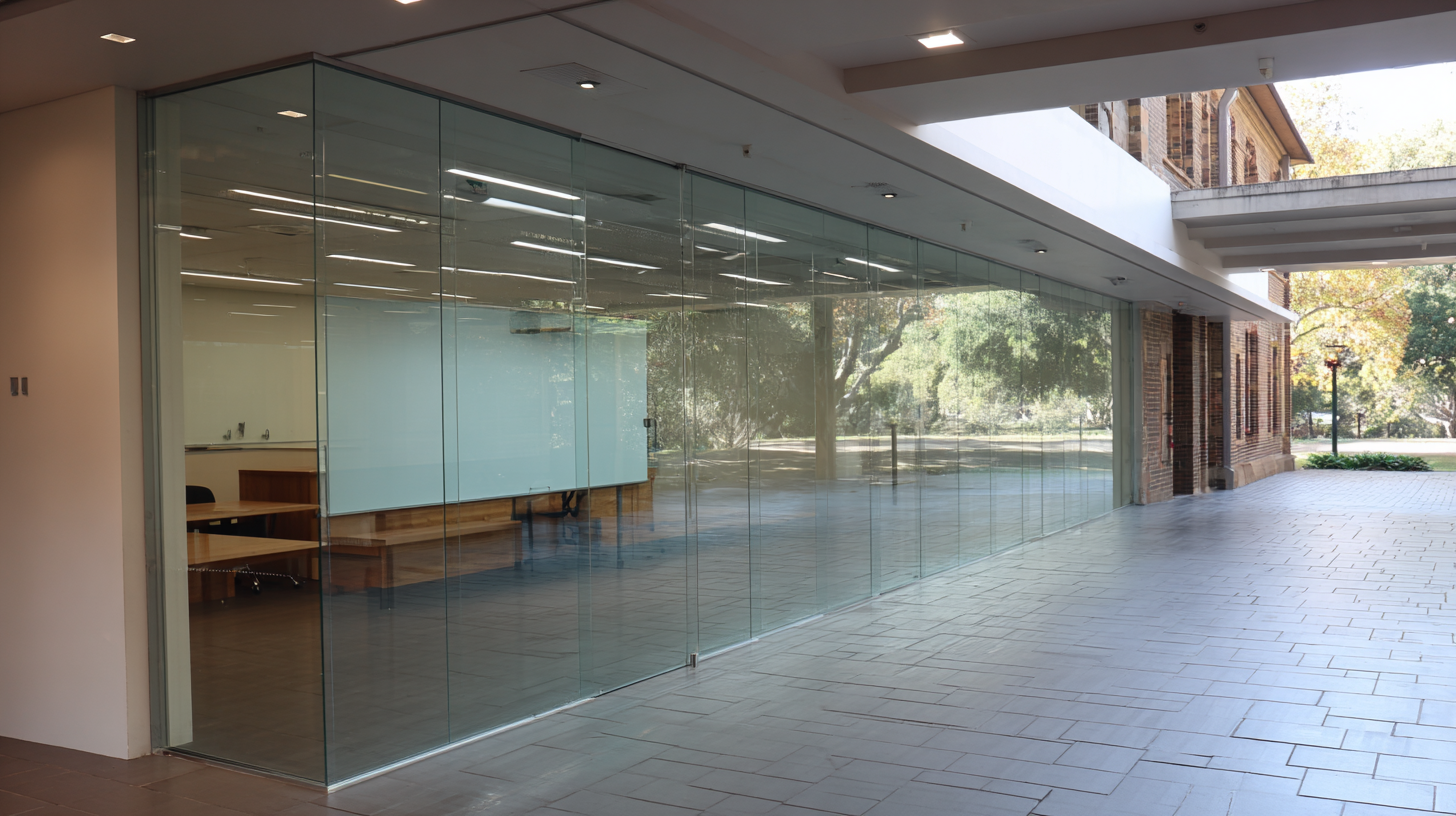
Fire rated glazing is a crucial component in building design, offering both safety and aesthetic value. The two primary materials used for fire rated glazing are tempered glass and ceramic glass. Tempered glass is highly durable and can withstand high temperatures, making it ideal for areas that require impact resistance as well as fire protection. It is often used in exit routes or around fire doors, providing necessary visibility without compromising safety.
Ceramic glass, on the other hand, is engineered to endure extreme heat and is commonly employed in high-risk environments. This type of glazing is often utilized in fire-rated walls and partitions, as it can prevent flames and smoke from spreading between areas for extended periods. Additionally, advancements in laminated and wire glass have expanded applications, allowing for greater design flexibility while maintaining compliance with fire safety standards. By understanding these materials and their specific applications, architects and builders can enhance safety while creating visually appealing spaces.
Understanding Fire Rated Glazing: Material Applications
Design Considerations for Fire Rated Glazing in Modern Architecture
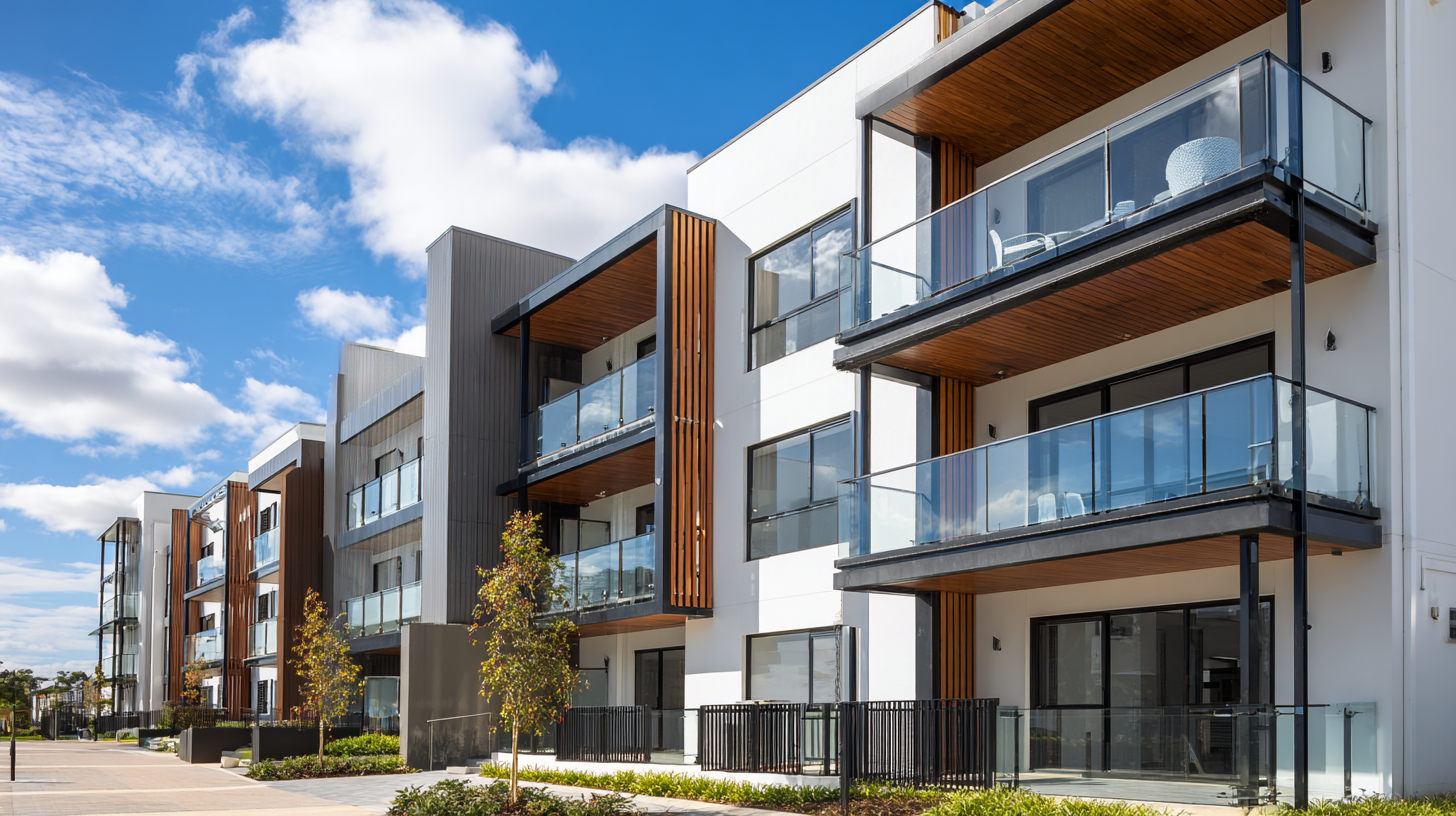
When integrating fire rated glazing into modern architecture, several design considerations must be prioritized to ensure safety without compromising aesthetics. One crucial factor is the choice of materials; fire rated glass options include tempered or laminated glass, which not only provides protection but also allows for a sleek, contemporary look. Designers should ensure that the framing systems are compatible with the selected glazing to maintain structural integrity and fire resistance.
Tips: Always check local building codes to comprehend the specific fire ratings required for your project. Collaborating with fire safety engineers from the outset can also help in selecting the most appropriate glazing solutions.
Another important consideration is the placement of fire rated glazing within the building layout. It should serve as a barrier between different occupancy areas while still allowing visibility and light transfer. This can enhance the overall design and functional flow of spaces while still adhering to necessary fire safety protocols.
Tips: Use fire rated glazing strategically in areas like stairwells and corridors, where visibility is key, and consider tempered or coated glass to minimize the risk of breakage in high-traffic zones.
Performance Testing: Understanding Fire Resistance Ratings and Certifications
Fire rated glazing is crucial in enhancing building safety by providing both aesthetics and essential protection against fire hazards. Understanding the performance testing that determines fire resistance ratings and certifications is vital for architects, builders, and safety inspectors. These ratings, often identified as a combination of letters and numbers, indicate how long a glazing system can withstand fire exposure while maintaining its integrity.
When selecting fire rated glazing, it's essential to consider specific performance criteria that meet building codes and regulations. Always ensure that the product has been tested and certified by recognized industry standards. Remember to verify the testing methods used for these glazings, as they can vary significantly.
**Tips:** Prioritize products that have clear and consistent data on their fire resistance ratings. Additionally, consult with manufacturers to understand the implications of various certifications. This knowledge helps ensure that you make informed choices that not only comply with safety standards but also enhance the overall design of the building.
Understanding Fire Rated Glazing: Essential Insights for Building Safety and Design
| Dimension |
Details |
| Type of Fire Rated Glazing |
Wire Glass, Tempered Glass, Laminated Glass, Ceramic Glass |
| Fire Resistance Rating |
30 minutes, 60 minutes, 90 minutes, 120 minutes |
| Performance Testing Standards |
ASTM E119, UL 263, BS 476-22 |
| Common Applications |
Commercial Buildings, Schools, Hospitals, Industrial Facilities |
| Certification Bodies |
UL, FM Global, Intertek |
| Installation Considerations |
Proper framing, Sealants, Clearance for thermal expansion |
Integrating Fire Rated Glazing into Safety Protocols and Building Systems
Fire rated glazing plays a crucial role in enhancing the safety protocols within building systems. Its primary function is to prevent the spread of smoke and fire, thereby safeguarding occupants and minimizing property damage. By integrating fire rated glazing into architectural designs, building professionals can create transparent barriers that maintain visibility while providing essential fire resistance. This integration not only meets regulatory standards but also contributes to a safer environment, allowing for effective evacuation and emergency response.
Moreover, the selection of appropriate fire rated glazing should align with the overall building design and safety strategy. It is imperative for architects and safety engineers to collaborate closely to ensure that these elements are seamlessly incorporated into fire protection plans. The incorporation of fire rated glazing should be evaluated during the planning phase to ascertain its compatibility with other building systems, such as alarms and sprinklers. By prioritizing this integration, builders can enhance not just compliance with safety regulations but also the aesthetic appeal and functionality of spaces, fostering a holistic approach to building safety that benefits all stakeholders.