What is Fire Rated Glazing and Why Is It Important for Safety

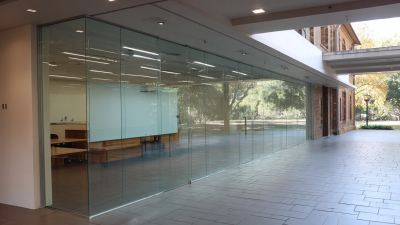
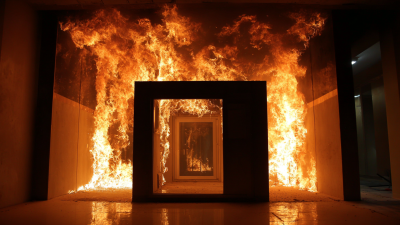
Fire rated glazing is a crucial component of modern building safety design, playing a significant role in the protection of lives and property in the event of a fire. This specialized type of glazing is engineered to withstand high temperatures and prevent the spread of flames, smoke, and heat between different areas of a building. By incorporating fire rated glazing into construction and renovation projects, architects and builders can enhance the fire resistance of structures, especially in critical areas such as corridors, stairwells, and fire-rated walls.

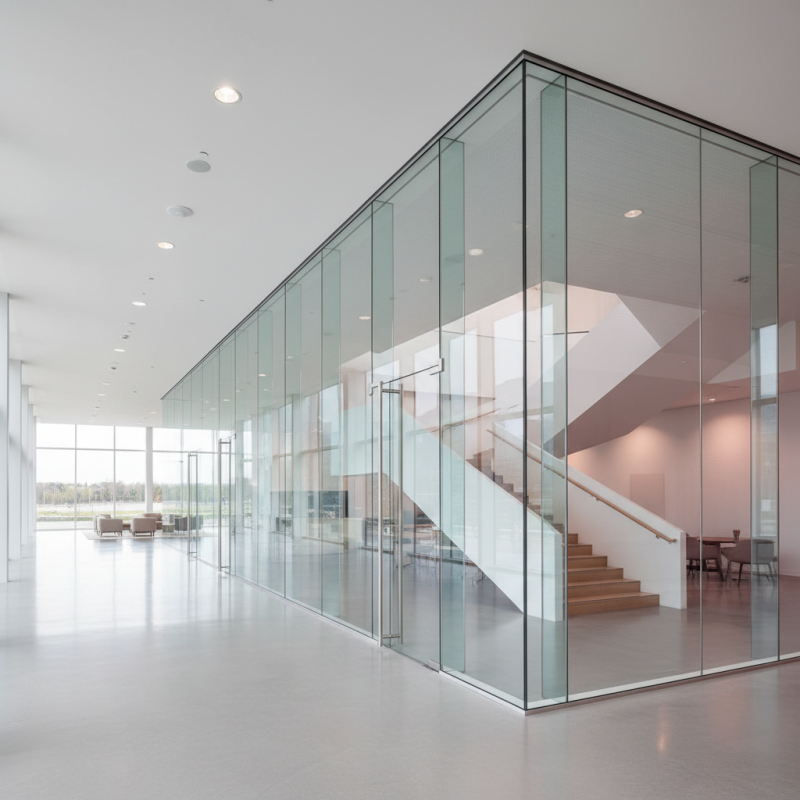
The importance of fire rated glazing extends beyond mere compliance with safety regulations; it represents a commitment to safeguarding occupants while maintaining aesthetic appeal. Unlike traditional glazing, fire rated options can be designed to blend seamlessly with architectural elements, allowing for natural light and visibility without compromising safety. As fire safety standards continue to evolve, understanding the significance of fire rated glazing becomes essential for informed decision-making in design and construction practices, ultimately contributing to safer environments for both residential and commercial buildings.
What is Fire Rated Glazing and Why Is It Important for Safety

Definition of Fire Rated Glazing and Its Key Characteristics
What is Fire Rated Glazing and Why Is It Important for Safety

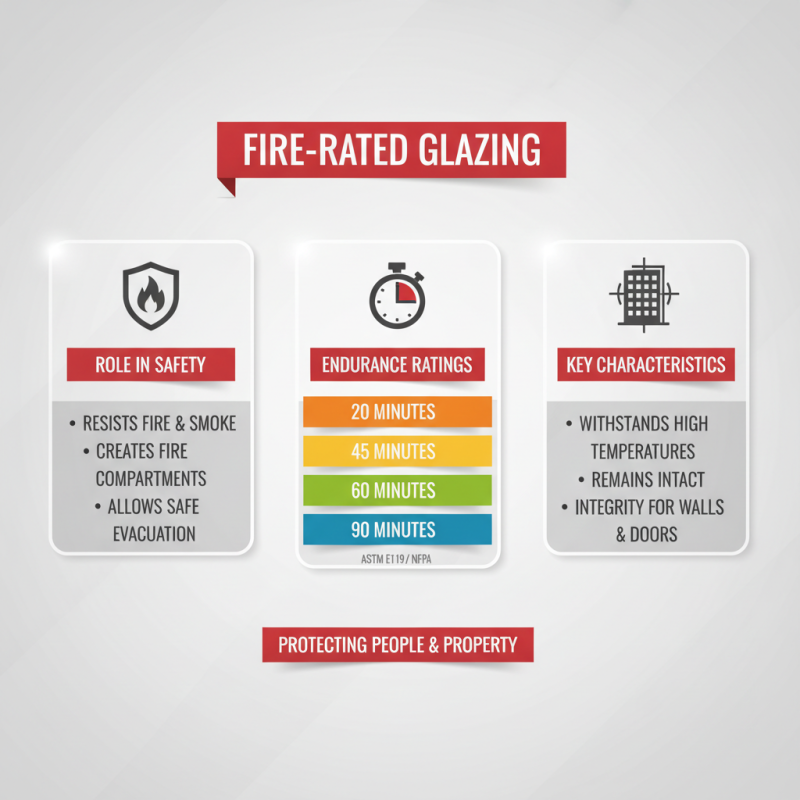
Fire rated glazing refers to specialized glass designed to resist the passage of fire and smoke. It plays a critical role in the overall safety of buildings, especially in creating compartments that help contain fire and prevent its spread. According to the National Fire Protection Association (NFPA), fire-rated glazing can help maintain the integrity of fire-rated walls and doors, providing essential time for occupants to evacuate safely and for firefighters to respond to emergencies. The key characteristics of fire rated glazing include its ability to withstand high temperatures and to remain intact under fire exposure for specific durations, typically categorized as 20, 45, 60, or 90 minutes as defined by standards such as ASTM E119.

When selecting fire rated glazing, it’s important to consider the specific requirements of your building. Always ensure that the glass meets local building codes and fire safety regulations. Depending on the application, such as in fire-rated walls, windows, or doors, different types of fire rated glazing may be necessary. Also, consider the aesthetic aspects, as modern fire rated glass options are available in clear, tinted, or even decorative styles, offering both safety and design flexibility.

Tips: Regular inspections and maintenance of fire rated glazing installations are essential to ensure their effectiveness. Any cracks, defects, or compromised seals should be addressed immediately. Additionally, be sure to keep fire-rated glass clean to prevent the build-up of soot or smoke that could impair visibility in case of a fire, allowing for safer evacuation routes.
Types of Fire Rated Glazing and Their Applications in Building Safety

Fire rated glazing plays a crucial role in the design and safety of buildings, offering a balance between aesthetics and fire safety requirements. There are several types of fire rated glazing, each specifically designed for different applications within a building’s safety framework. For instance, ceramic glazing is often used in areas that require high fire resistance due to its ability to withstand intense heat and maintain structural integrity. This type is commonly installed in fire doors and windows, providing a protective barrier against flames and smoke.

Another significant type is wired glass, which is embedded with a network of wires that prevent shattering during a fire. This makes it suitable for locations where visibility is essential without compromising safety, such as in fire-rated partition walls and conference rooms. Additionally, safety-rated acrylic or polycarbonate panels are increasingly being utilized for interior barriers and display areas, providing both clarity and resistance to heat and flames. Understanding the specific applications of each type of fire rated glazing is essential for architects and builders to ensure compliance with safety standards while enhancing the functional and aesthetic elements of a building.

The Role of Fire Rated Glazing in Fire Resistance and Containment

What is Fire Rated Glazing and Why Is It Important for Safety

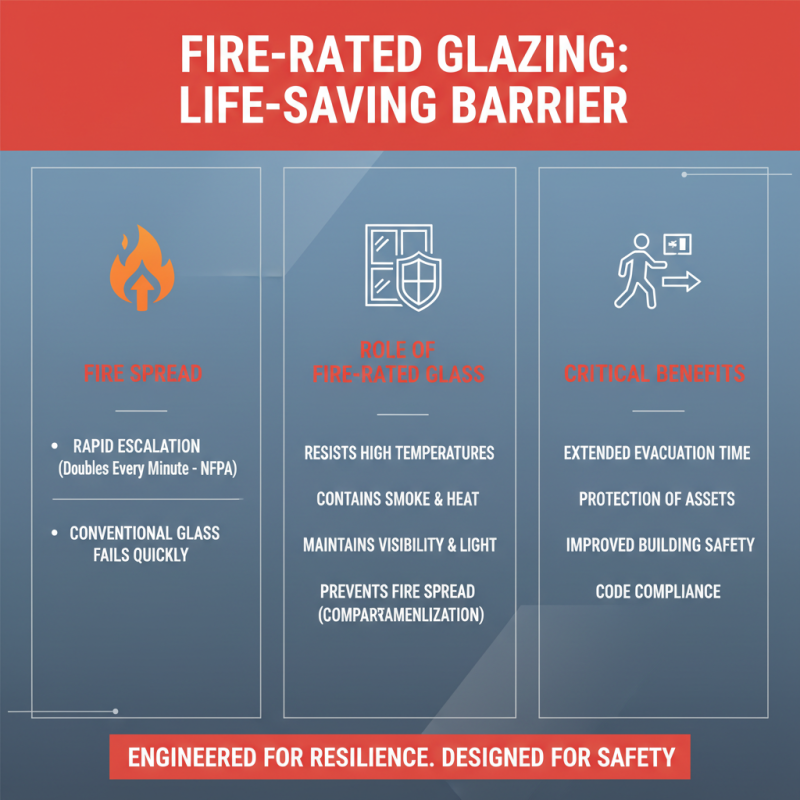
Fire rated glazing plays a critical role in fire resistance and containment within buildings. This specialized glass is engineered to withstand high temperatures for specified periods, thereby providing essential life-saving barrier properties during a fire event. According to the National Fire Protection Association (NFPA), fires in buildings can spread rapidly, typically doubling in size every minute; thus, it becomes imperative to employ materials that can resist such escalation. Fire rated glazing effectively allows for visibility and light transmission while also containing smoke and heat, significantly reducing the risk of fire spreading from one compartment to another.

The performance of fire rated glazing is classified according to its rating, which is determined by how long it can withstand fire exposure. For example, glazing rated for 60 minutes can endure flames and heat for that duration, providing critical time for evacuation and restricting the surprise element that fire can cause. The use of fire rated glazing is particularly beneficial in high-occupancy buildings and spaces where people gather, where the potential for rapid fire spread poses a severe threat. Reports from the World Fire Statistics shows that inadequate fire safety measures can lead to increased casualties and damages, emphasizing the importance of integrating fire rated glazing into building design as a proactive strategy in fire safety engineering.

Standards and Regulations Governing Fire Rated Glazing Products

Fire rated glazing plays a crucial role in enhancing safety in buildings, and its use is regulated by a number of standards and guidelines. These regulations ensure that materials used in fire rated glazing can withstand high temperatures and prevent the spread of flames and smoke between different areas of a building. The National Fire Protection Association (NFPA) outlines stringent requirements for fire rated glass, which often include testing for integrity (how long the material can resist breaking) and insulation (how well it can prevent heat transfer). For instance, the NFPA 80 standard specifies minimum performance criteria for fire doors and windows, highlighting the significance of fire rated glazing in compartmentalizing fires and protecting occupants.

Various international standards, such as those from the European Norm (EN) and Underwriters Laboratories (UL), further bolster the framework governing fire rated glazing products. In the United States, the UL 9 standard delineates the testing methods for fire resistive glass, ensuring it can endure specific fire conditions for designated periods. Moreover, reports show that in buildings with compliant fire rated glazing, the risk of fire spread can be significantly reduced—by up to 75% in certain cases—highlighting the effectiveness of adhering to these standards. Compliance not only aligns with best practices but is often mandated by local building codes, making knowledge of these regulations essential for architects and builders focused on safety.

Fire Rated Glazing Safety Standards

Benefits of Installing Fire Rated Glazing in Commercial and Residential Properties

Fire rated glazing plays a critical role in ensuring the safety of both commercial and residential properties. By incorporating specially designed glass materials that can withstand high temperatures, fire rated glazing helps to prevent the spread of flames and smoke during a fire incident. This is particularly beneficial in open spaces, where it acts as a barrier, protecting occupants and allowing them time to evacuate. Additionally, in commercial settings, maintaining clear sightlines through fire rated windows can enhance visibility while still providing essential fire protection.

The benefits of installing fire rated glazing extend beyond mere compliance with safety regulations. For property owners, it can enhance the overall value of the building by demonstrating a commitment to safety and risk management. Integrating fire rated glazing into design schemes not only bolsters safety but also allows for aesthetic flexibility, as it can be seamlessly integrated into various architectural styles without compromising on natural light. Overall, it serves as a vital component in an effective fire safety strategy, making environments safer for occupants and minimizing potential property damage.