What is a Fire Rated Door and Why Do You Need One?
Fire rated doors play a crucial role in building safety and protection. According to John Smith, a recognized expert in fire safety, "Fire rated doors are the first line of defense in preventing fire spread." These doors are designed to withstand high temperatures and limit the passage of flames and smoke. In many commercial and residential buildings, installing fire rated doors is not just a recommendation; it is a necessity.
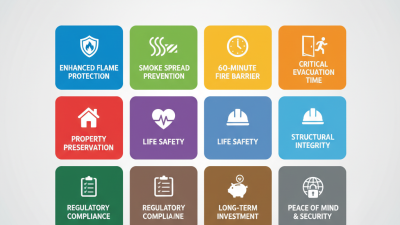
The importance of fire rated doors cannot be overstated. They are essential in safeguarding lives and property. In a fire emergency, every second counts. Fire rated doors can provide critical minutes for evacuation, reducing the risks associated with smoke inhalation and heat exposure. However, many people overlook their significance until it is too late.
Awareness and education about fire rated doors can lead to better safety practices. These doors are not a catch-all solution, but they do represent a vital component of a comprehensive fire safety plan. Investing in fire rated doors is a step toward creating a safer environment for everyone. Without proper installation and maintenance, even the best fire rated doors can fail. Building owners must commit to regular checks and necessary upgrades to ensure these life-saving installations function as intended.
What is a Fire Rated Door and Its Purpose in Building Safety?
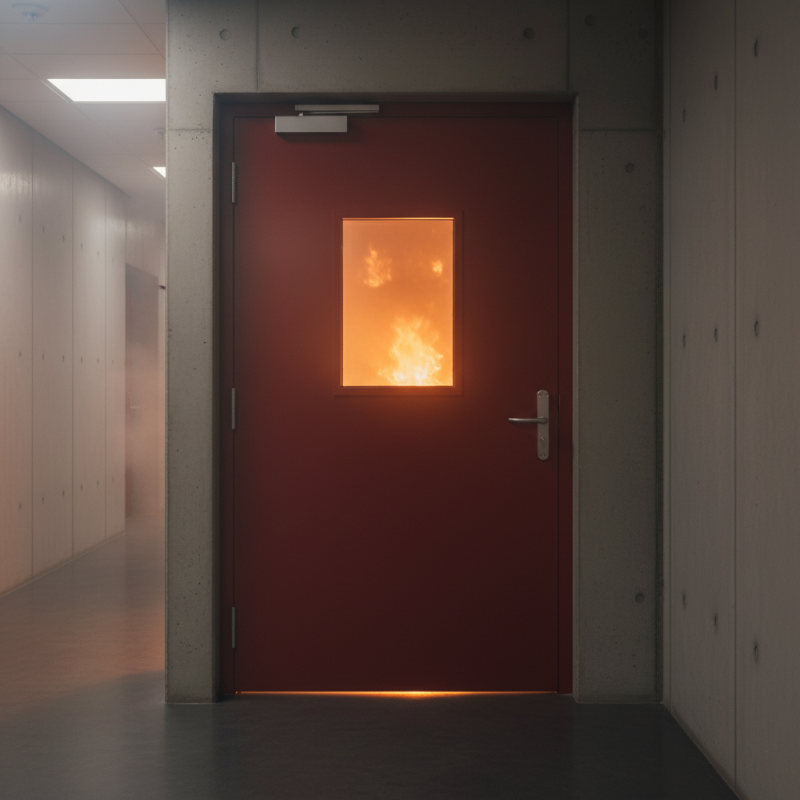
Fire Rated Doors play a crucial role in building safety. These specialized doors are designed to withstand high temperatures for a defined period. Typically made from materials like steel or gypsum, their primary function is to slow or prevent the spread of fire. This gives occupants critical time to evacuate and helps protect property.
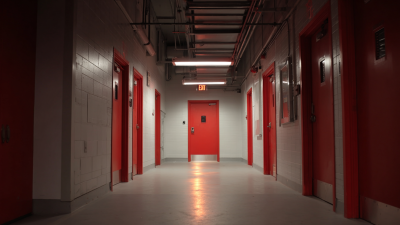
In many commercial and residential buildings, fire rated doors are often installed in hallways and exits. They create safe zones during a fire, allowing people to navigate without panic. However, the effectiveness of these doors hinges on proper installation and maintenance. Neglected or damaged doors may fail when needed most. Regular inspections are necessary, yet they are often overlooked.
The presence of fire rated doors can also influence building codes. Compliance with safety standards is vital for protecting lives. Despite this importance, some buildings may not have these doors installed. This oversight can lead to devastating consequences. Awareness and education about fire rated doors should be prioritized to ensure community safety.
Fire Rated Doors Impact on Building Safety
This bar chart illustrates the percentage of usage for different fire resistance ratings of doors in buildings. Understanding the usage ratios can help you make informed decisions about fire safety measures and compliance in your own building projects.
Key Features and Ratings of Fire Rated Doors Explained
Fire rated doors are crucial elements in building safety. They are designed to withstand fire for a specified period, slowing the spread of flames and smoke. This can save lives and protect property. Different types of fire rated doors vary in their ratings, which indicate how long they can endure a fire. Common ratings include 20, 45, 60, and 90 minutes. Understanding these ratings is vital for ensuring adequate fire protection.
Key features of fire rated doors include materials and construction. They are often made from steel or composite materials. Special intumescent seals expand when exposed to heat, creating a barrier against smoke. Many doors also feature multi-point locking systems for added security. Despite these advancements, not all buildings comply with regulations. Regular inspections are necessary to ensure doors function properly.
Choosing the right fire rated door involves understanding specific needs. Consider the layout of the building and potential fire hazards. Installation must follow local codes to ensure effectiveness. It’s not uncommon for a door to be installed incorrectly, impacting safety. Therefore, always consult with professionals when selecting and installing fire rated doors.
Industry Standards: NFPA and ASTM Requirements for Fire Rated Doors
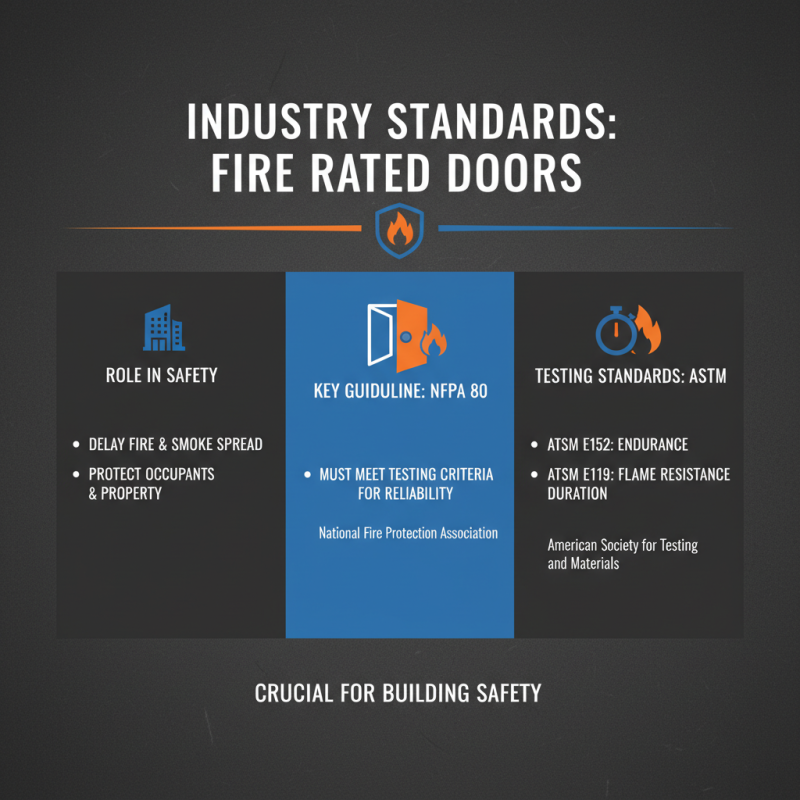
Fire rated doors play a crucial role in building safety. According to the National Fire Protection Association (NFPA), they can delay the spread of fire and smoke, protecting occupants and property. The NFPA 80 guideline states that these doors must meet specific testing criteria to ensure reliability. This is where standards like ASTM E152 and E119 come into play. They dictate how fire doors are tested for endurance and how long they can withstand flames.
Meeting these requirements is not just a recommendation; it’s often a legal necessity. For instance, the International Building Code mandates certain fire-rated doors in commercial properties. Data from the Fire Protection Research Foundation highlights that properly installed fire rated doors can reduce fire-related injuries by up to 40%. However, many building owners overlook maintenance. Regular checks are essential. A door may be certified but could lose its effectiveness through wear or improper modifications.
The compliance gap is concerning. A study noted that 20% of fire-rated doors in facilities didn’t meet specified codes at the time of inspection. Identifying and correcting these issues should be a priority for property managers. Effective training and awareness programs can foster a culture of safety. Providing knowledge is key to reducing fire hazards. Fire rated doors are vital for safety, but neglect can lead to increased risks.
Benefits of Installing Fire Rated Doors in Commercial and Residential Spaces
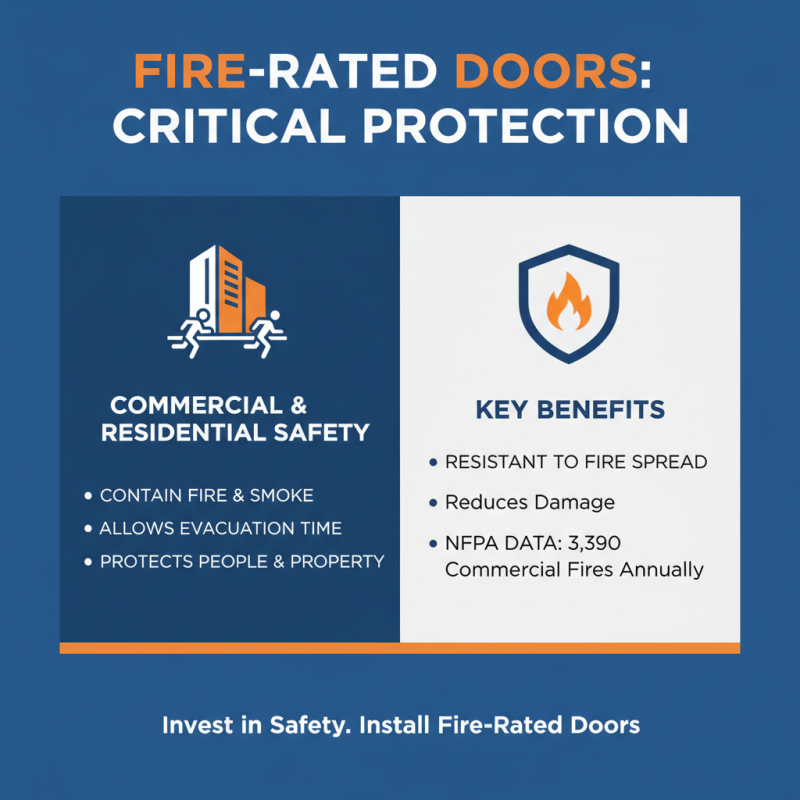
Fire-rated doors play a critical role in safety. These doors are designed to withstand fire, providing essential containment and allowing more time for evacuation. According to the National Fire Protection Association, around 3,390 fires occur in commercial properties each year. Fire-rated doors can prevent the spread of flames and smoke, protecting both people and property.
In residential settings, the benefits are equally significant. Fire-rated doors can limit damage during a fire. A study conducted by the Institute for Business and Home Safety shows that homes equipped with fire-rated doors have a 25% lower risk of severe fire damage. This statistic highlights the importance of investing in quality fire-rated doors. These doors improve safety, but can also lower insurance premiums, making them cost-effective over time.
However, not all doors are created equal. It’s essential to ensure that installation meets local building codes. Poor installation can lead to vulnerabilities. Regular maintenance is also crucial; wear and tear can compromise their fire-resistance capabilities. Homeowners and business operators must assess their fire safety measures continually. Striking the right balance between safety and cost reflects responsible risk management.
Common Misconceptions About Fire Rated Doors and Their Efficacy
Fire rated doors are critical in enhancing safety in buildings. However, many people hold misconceptions about their effectiveness. Some believe that all fire rated doors are completely fireproof. In reality, they can withstand fire for a specific period, typically ranging from 20 minutes to 3 hours. This time frame allows for safe evacuation during an emergency.
Another common misunderstanding is that fire rated doors do not require maintenance. While they are built to endure high temperatures, they still need regular checks. Damaged seals or hinges can compromise their integrity. Also, some individuals think that installing a fire rated door guarantees complete safety. However, proper placement and compliance with building codes are essential for maximum efficacy.
Awareness is key. Many people overlook the importance of these doors in fire safety plans. Education about how they function can change this perspective. A fire rated door is not just a barrier; it's a lifeline during emergencies. Understanding its role is vital in any safety strategy.