Essential Fire Door Regulations Tips Every Building Owner Must Know
In the tapestry of building safety, fire door regulations play a pivotal role in safeguarding lives and property. As a building owner, understanding and adhering to these regulations is not just a legal obligation, but a crucial aspect of your responsibility to ensure the well-being of occupants. Fire doors are specifically designed to impede the spread of fire and smoke, providing vital time for evacuation and minimizing damage during dangerous situations. Familiarizing yourself with the essential tips surrounding these regulations is imperative for maintaining compliance and enhancing the overall safety of your establishment.
Navigating the complexities of fire door regulations can be daunting, yet it is of utmost importance to stay informed. This article outlines key insights that every building owner should consider, from the installation and maintenance of fire doors to the specific requirements that govern their functionality. By prioritizing the correct implementation and upkeep of fire doors, you not only meet legal standards but also contribute to a safer environment for everyone. As we delve into these essential tips, you will be better equipped to manage your responsibilities, ensuring that your building meets the necessary fire safety protocols.
Understanding Fire Door Regulations: An Overview for Building Owners
Understanding fire door regulations is crucial for building owners to ensure safety and compliance within their properties. Fire doors are essential components of a building's fire safety strategy, designed to prevent the spread of fire and smoke between different areas. According to the National Fire Protection Association (NFPA), properly installed and maintained fire doors can reduce the risks of fatalities and injuries during a fire event. The NFPA's reports highlight that nearly 80% of civilian fire fatalities occur in properties that do not have proper fire segregation measures in place, underscoring the importance of adhering to stringent regulations regarding fire doors.
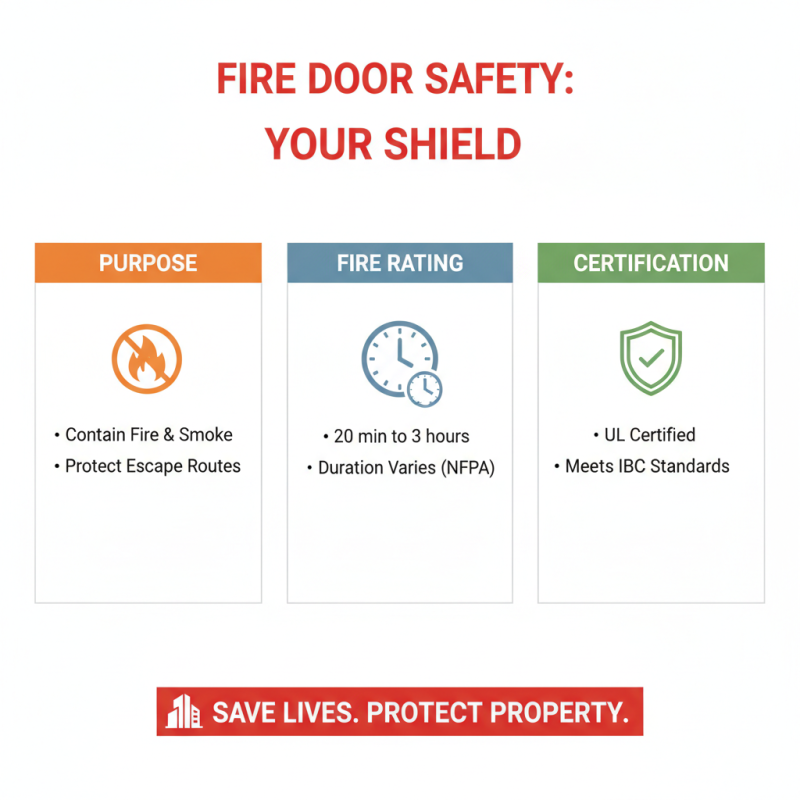
Building owners must familiarize themselves with the specific codes and standards that govern fire door installation and maintenance. Regulations typically outline the required ratings for fire doors, which dictate how long the door can withstand fire exposure—commonly ranging from 20 minutes to 3 hours. Furthermore, the International Building Code (IBC) mandates regular inspections and maintenance of fire doors to ensure their functionality. A report from the Fire Safety Research Institute indicates that improper maintenance can lead to a failure rate of up to 30% in fire doors during fire incidents, emphasizing the need for diligent adherence to established protocols. Building owners must prioritize these regulations not only to comply with the law but also to safeguard lives and properties from the devastating effects of fire.
Essential Fire Door Regulations Compliance Overview
Key Components of Fire Doors: Features and Standards Explained
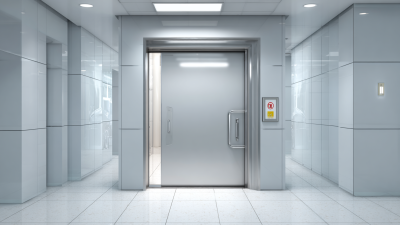
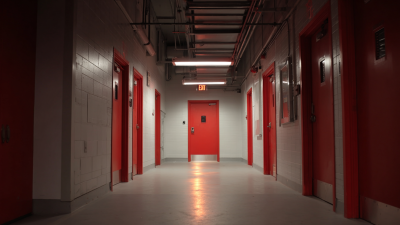
Fire doors are critical elements in building safety, designed to contain fires and protect escape routes. According to the National Fire Protection Association (NFPA), fire doors are responsible for preventing the spread of fire and smoke for a specified duration, typically ranging from 20 minutes to 3 hours, depending on their rating. These doors are engineered to meet stringent standards, such as those set by Underwriters Laboratories (UL) and the International Building Code (IBC), ensuring that they can withstand heat and pressure while maintaining integrity during a fire.
Key components of fire doors include their core construction, frame materials, and hardware. Fire doors are often made with solid wood or steel cores and must include self-closing mechanisms to ensure they remain shut in the event of a fire. The NFPA reports that approximately 75% of fire door failures are attributed to improper maintenance or tampering. Therefore, it is essential for building owners to regularly inspect their fire doors for compliance with safety regulations and to replace any damaged components as specified by industry guidelines. Proper understanding of these features and standards not only enhances safety but also provides peace of mind to occupants and property managers alike.
Fire Door Installation Requirements: Compliance and Best Practices
Fire door installation is critical for ensuring building safety and compliance with regulatory standards. According to the National Fire Protection Association (NFPA), improperly installed fire doors can significantly compromise a building's safety measures and increase the risk of fire spread. To adhere to safety regulations, building owners must ensure that fire doors are installed according to the manufacturer’s specifications and relevant code requirements. This includes verifying the correct frame materials, ensuring proper sealing, and confirming that the doors are fitted with appropriate fire-rated hardware.
Tip: Always check for a third-party label indicating that the fire door has been tested and certified to meet applicable safety standards. This not only ensures compliance but also enhances the overall fire safety of your building.
Additionally, the installation environment plays a crucial role in the effectiveness of fire doors. Maintaining a clear and unobstructed path for fire doors is essential; according to the International Code Council (ICC), this can prevent premature door failure during a fire event. Building owners should conduct regular inspections and maintenance checks, ensuring that fire doors close properly and do not have any obstructions.
Tip: Schedule routine fire door inspections at least once a year, following the guidelines established by the NFPA to ensure long-term compliance and safety. By prioritizing these essential practices, building owners can significantly enhance the protective measures fire doors provide, safeguarding lives and property.
Maintenance and Inspection of Fire Doors: Ensuring Safety and Functionality
Regular maintenance and inspection of fire doors are crucial for ensuring safety and functionality within any building. Fire doors are designed to slow down the spread of fire, allowing for safe evacuation and minimizing damage. Therefore, building owners must implement a routine schedule for inspecting these doors, checking for compliance with local fire codes and standards. This includes verifying that the door closes fully, the seals are intact, and the hardware functions correctly. Any signs of damage, wear, or obsolescence should be addressed immediately to preserve the integrity of the fire door.
In addition to regular inspections, periodic maintenance is essential. This involves cleaning the doors and frames, lubricating moving parts, and ensuring that any fire-rated glass is free from cracks or breaks. Building owners should also keep records of all inspections and maintenance activities to demonstrate compliance with safety regulations. Training staff on the importance of fire door functionality can greatly enhance overall safety. By prioritizing regular inspections and maintenance, building owners can ensure that their fire doors are always ready to perform their critical role in fire safety.
Essential Fire Door Regulations Tips Every Building Owner Must Know - Maintenance and Inspection of Fire Doors: Ensuring Safety and Functionality
| Aspect |
Regulation/Tip |
Frequency of Inspection |
Notes |
| Visual Inspection |
Doors must be checked for damage or obstruction. |
Monthly |
Look for scratches, dents, and ensure no items block the door. |
| Hinge Functionality |
Ensure hinges are properly lubricated and function correctly. |
Bi-monthly |
Check for any unusual noises during operation. |
| Self-Closing Mechanism |
Test the self-closing function of the door. |
Quarterly |
Doors should close fully without assistance. |
| Fire Door Labeling |
Ensure all fire doors are properly labeled with appropriate ratings. |
Annual |
Labels should be legible and maintained. |
| Fire Door Gaps |
Check for gaps between door and frame. |
Annual |
Gaps should not exceed specified limits for effectiveness. |
| Fire Door Hardware |
Inspect the integrity and proper function of hardware such as locks and latches. |
Semi-annual |
Hardware should operate smoothly without sticking. |
Common Violations and Penalties: What Every Building Owner Should Avoid
Fire door regulations are essential for ensuring the safety of occupants in any building. However, many building owners overlook common violations that can lead to severe penalties. One prevalent mistake is failing to properly maintain fire doors. Regular inspections and necessary repairs are crucial to ensure that fire doors function as intended. Building owners should establish a routine maintenance schedule, checking for any obstructions, ensuring seals are intact, and confirming that doors close and latch properly.
Another critical violation involves modifications to fire doors. Altering a fire door, whether by changing its size or adding additional hardware, can jeopardize its effectiveness during a fire. It’s vital that any remodeling work on fire doors is conducted according to code and that original specifications are followed. To avoid penalties, building owners should always consult with fire safety professionals before making any changes.
Tips for compliance include familiarizing yourself with your local fire safety codes and conducting employee training on fire door awareness. Ensure that signage clearly states the importance of keeping fire doors closed and unobstructed. By educating all staff about fire door regulations, building owners can significantly mitigate risks and maintain a safe environment for all.