What are EVOH Polymer Granules and their Applications?
EVOH Polymer Granules have gained significant attention in various industries due to their unique properties. Dr. Emily Tran, a leading expert in polymer science, states, "EVOH offers exceptional oxygen barrier properties, making it ideal for food packaging." This highlights the critical role of EVOH granules in enhancing product shelf life.
These granules are synthesized from ethylene-vinyl alcohol copolymer, known for their excellent transparency and mechanical strength. They act as formidable barriers to gases, especially oxygen, which is crucial for preserving food and pharmaceuticals. Applications range from food packaging to automotive parts. However, the production of EVOH Polymer Granules presents challenges, including the need for precise processing conditions.
The industry continues to innovate, seeking more sustainable alternatives. While EVOH granules provide substantial benefits, reliance on them may raise environmental concerns. Debate exists about their biodegradability and recycling potential. Experts urge the industry to address these issues. As we move forward, exploring new materials that complement or replace EVOH is vital for a sustainable future.
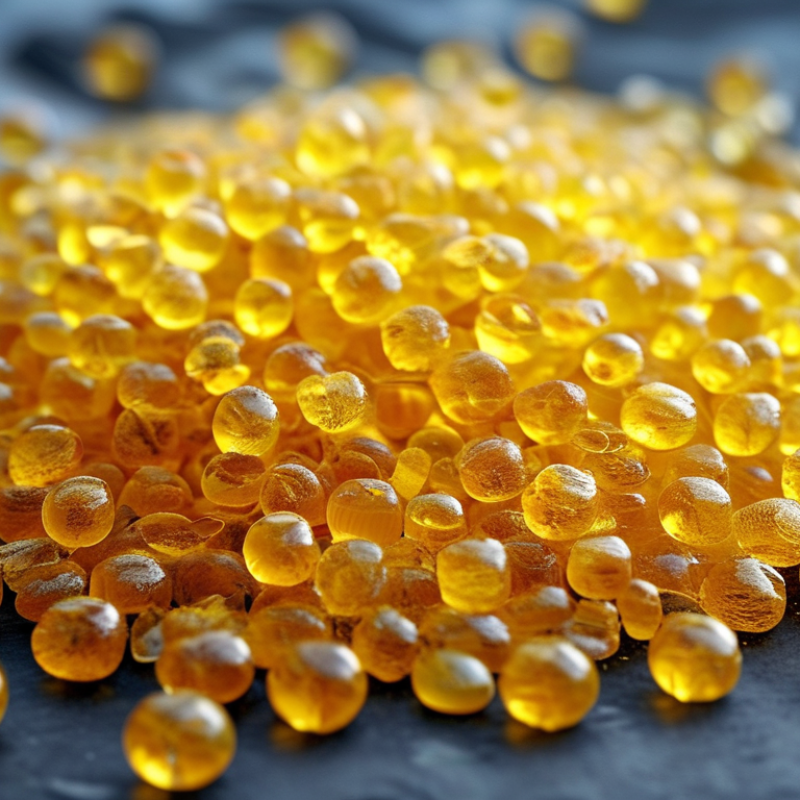
EVOH Polymer Granules: Definition and Composition
EVOH polymer granules are a type of high-performance thermoplastic material. They primarily consist of ethylene and vinyl alcohol units. This unique composition grants them exceptional barrier properties against gases and moisture. The specific ratio of ethylene to vinyl alcohol can be adjusted to tailor the material's characteristics for various applications.
These granules are known for their versatility. They are widely used in packaging, particularly for food and medical products. The ability of EVOH to provide an oxygen barrier makes it ideal for preserving freshness. In packaging applications, it helps extend the shelf life of products by reducing oxidation. Additionally, EVOH is often blended with other polymers to enhance overall performance.
However, reliance on EVOH has its challenges. The processing conditions must be carefully controlled to maintain the desired properties. Improper handling can lead to reduced effectiveness. As industries push for innovative solutions, the recycling of EVOH materials remains a concern. Addressing these limitations requires ongoing research and development.
Properties of EVOH Polymer Granules
EVOH polymer granules are notable for their unique properties. Ethylene-vinyl alcohol copolymer (EVOH) is well-regarded for its excellent gas barrier capabilities. This makes it an ideal choice for food packaging. The granules are usually transparent and have a crystalline structure, enhancing their durability. This property allows EVOH to maintain the freshness of perishable items longer than many other materials.
Additionally, these granules exhibit good chemical resistance. They can withstand exposure to oils and solvents, making them suitable for various industrial applications. The moisture barrier also plays a key role in protecting goods. However, EVOH granules can be sensitive to UV light. This wear can affect their structural integrity over time, leading to potential performance issues. Determining the right application for EVOH requires careful consideration of environmental factors.
EVOH granules can be processed easily with different techniques. These include extrusion and injection molding. However, challenges can arise during processing. For instance, maintaining a consistent melt flow index can be tricky. This variability may impact product quality and performance. Thus, precise control in manufacturing is essential for maximizing the potential of EVOH polymer granules.
Applications in Food Packaging and Preservation
EVOH polymer granules play a crucial role in food packaging and preservation. These granules possess unique barrier properties against gases such as oxygen and carbon dioxide. This makes them ideal for extending the shelf life of various food products. They help maintain the quality and freshness of packaged goods. Many food producers now rely on EVOH for effective packaging solutions.
The use of EVOH in food packaging is significant. It prevents spoilage and reduces waste, which is beneficial for the environment. However, challenges exist. Not all food types respond equally well to EVOH. Some products may still lose quality over time, even with EVOH packaging. This inconsistency calls for further research to enhance its application in diverse food categories.
Moreover, the environmental impact of EVOH is a topic needing reflection. While it's effective, recycling can be complex. This poses a challenge for manufacturers and consumers alike. Finding a balance between effective food preservation and sustainability remains a pressing issue. Improving EVOH technology while considering environmental effects will be essential for future developments.
Use in Automotive and Industrial Sectors
EVOH polymer granules are increasingly being utilized in the automotive and industrial sectors. These materials offer excellent barrier properties against gases and moisture, which is critical in these fields. In automotive applications, EVOH can enhance fuel efficiency by preventing fuel permeation. This characteristic is especially important for modern vehicles aiming to lower emissions and improve performance.
In the industrial sector, EVOH granules are often used in packaging applications. The granules help create films that protect sensitive products from oxidation and spoilage. This feature is vital for goods like food and pharmaceuticals. However, challenges remain. The processing of EVOH can be tricky. Manufacturers must ensure proper blending and compatibility with other polymers. When not handled correctly, issues like delamination can arise, affecting product quality.
Despite its advantages, the cost of EVOH may deter some manufacturers. Budget constraints often push companies towards cheaper alternatives, which may compromise performance. It's essential to weigh the long-term benefits against short-term costs. Careful consideration is necessary to maximize the effectiveness of EVOH in various applications.
Environmental Impact and Recycling of EVOH Materials
EVOH polymer granules, known for their exceptional barrier properties, are becoming increasingly important in various industries. However, the environmental impact of EVOH materials cannot be overlooked. EVOH is a type of biodegradable plastic, but its degradation process can still take years. It's crucial to understand how these materials can affect ecological systems.
According to a recent industry report, approximately 80 million tons of plastic waste are generated globally each year, with only 9% being properly recycled. This raises concerns about EVOH’s recyclability. EVOH is recyclable but requires specific facilities to process it effectively. The lack of accessible recycling options can lead to increased plastic pollution, contradicting its intended environmental benefits.
Tips: Always check local guidelines for recycling EVOH materials. Look for facilities that specialize in advanced recycling processes. Educating yourself can significantly benefit the environment.
Moreover, while EVOH has advantages, the challenges it presents cannot be ignored. The collection and sorting of EVOH waste can be complex. Mismanagement of these materials may lead to inefficiencies in recycling processes. Addressing these issues is essential for ensuring that the potential eco-benefits of EVOH are realized. Improved technologies and better waste management systems are necessary to support the sustainable use of EVOH.