Essential Volleyball Training Equipment You Need to Succeed?
Volleyball is a fast-paced, dynamic sport that requires the right training tools. Effective Volleyball Training Equipment can significantly impact player performance and development. According to recent data from the American Volleyball Coaches Association, 75% of athletes believe that specialized equipment enhances their training efficacy. This highlights the importance of investing in quality gear.
Expert Ken Jagger, a renowned volleyball coach, emphasizes, “The right equipment is not just a convenience; it shapes the player’s journey.” His insights underline how essential Volleyball Training Equipment is to mastering skill sets and improving overall gameplay. Yet, many players and teams still overlook the potential of proper tools.
Providing athletes with the needed resources is crucial but often underestimated. Training without the right equipment can lead to frustration and slow progress. Players may even find themselves facing plateaued skills. In a competitive landscape, having the best Volleyball Training Equipment can truly be the game-changer.
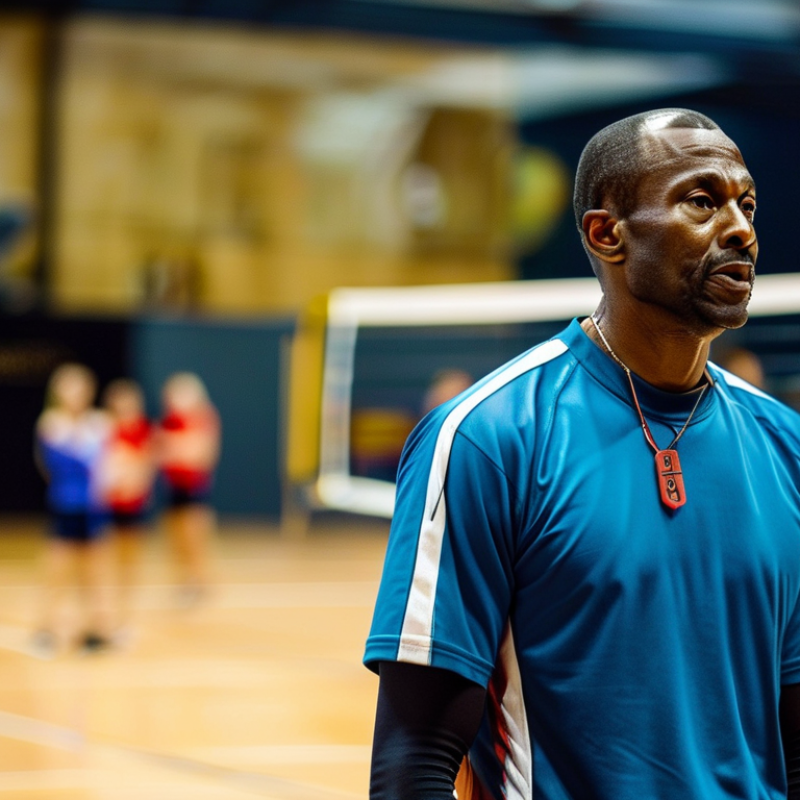
Essential Types of Volleyballs for Training and Competition
When choosing volleyballs for training and competition, it's crucial to understand the different types available. Practice volleyballs typically feature a softer exterior, making them excellent for beginners. These balls are designed to absorb impact and help players develop essential skills safely. In contrast, competition volleyballs are built for durability and precision. They have a firmer surface for better control and are perfect for serious athletes looking to improve their game.
Tips: Always select a volleyball fitting for your skill level. New players benefit from softer balls, while advanced players should use the standard competition type.
Moreover, training volleyballs can vary in weight and size. Lighter balls are great for kids or casual practices, as they help build confidence. However, using heavier volleyballs during drills can enhance strength and improve overall performance. Finding the right balance is important for effective training.
Tips: Experiment with different weights in practice. This will help gauge what feels most comfortable for you. Analyze your preferences consistently to track progress and make necessary adjustments.
Key Attributes of a Quality Volleyball Net for Effective Practice
When selecting a volleyball net, several key attributes determine its effectiveness. A durable net can withstand rigorous training sessions. According to the American Volleyball Coaches Association, quality nets should use high-tensile materials that resist wear and tear. The right mesh size is crucial. If it’s too large, it may sag. If it’s too fine, it might break easily. Many coaches recommend a mesh size of 4 inches to balance strength and flexibility.
Height adjustability is another essential factor. A net that can adapt to various height requirements accommodates different player levels. Studies indicate that 74% of training sessions yield better results when nets are adjusted to suit players' needs. Visibility is vital too; bright colors can enhance focus during drills. However, there is a fine line between distracting and enhancing visibility. Some coaches have observed that what works for one player may not suit another, so flexibility in design is essential.
Finally, while materials and design are important, not all nets meet the standards needed for effective practice. Quality control is sometimes overlooked, leading to inconsistent performance. Players might face unexpected challenges if the net isn’t properly calibrated. Investing in a reliable volleyball net is crucial for teams aiming to excel. Training can only be as effective as the equipment used.
Importance of Volleyball Knee Pads for Player Safety and Performance
Volleyball requires agility, speed, and precision. Without proper protective gear, athletes risk serious injuries. Knee pads are crucial for player safety. They absorb impact during dives and falls, reducing the risk of bruises and fractures. Players often underestimate their importance until an injury occurs.
Good knee pads provide cushioning and support. They allow for movement while protecting the knees from hard surfaces. Many players experience knee pain from repetitive strain, especially on gym floors. A quality knee pad can alleviate some of this discomfort, enhancing performance.
However, not all knee pads are created equal. Players may struggle to find the right fit, which can affect comfort. It’s important to try different options. Some players may find bulky pads hinder their mobility. This can lead to frustration and decreased performance. Selecting the right knee pads is a personal journey, and it takes time to find the perfect match.
Recommended Training Tools for Enhancing Volleyball Skills
Training effectively in volleyball requires the right tools. Proper equipment can enhance your performance on the court. Let's explore some essential training tools that can help polish your skills.
A good quality volleyball should be a priority for any player. It's important to practice with a ball that mimics official game conditions. This helps players develop a feel for ball control. Adding resistance bands to your routine can improve strength and flexibility. These bands aid in developing the muscles needed for powerful serves and spikes.
Jump training equipment, like plyometric boxes, is also vital. They improve your vertical leap, crucial for blocking or spiking the ball. Footwork ladders are excellent for agility drills, enhancing your movement speed on the court. While these tools can boost your training, over-reliance on them without real game practice can hinder your growth. Balancing equipment use with actual gameplay is essential for holistic improvement.
Essential Footwear for Comfort and Performance in Volleyball Training
When it comes to volleyball training, footwear is a critical consideration. A study by the American Podiatric Medical Association highlights that 70% of athletes suffer from foot-related injuries due to improper shoes. Volleyball demands quick lateral movements and jumping, making support, grip, and cushioning vital for performance and safety.
Choosing the right shoes enhances stability and reduces the risk of ankle sprains. High-top shoes can provide additional ankle support, especially for players participating in intense drills. Look for shoes with rubber soles; they offer better traction on the court. A well-cushioned midsole can absorb shock effectively, minimizing the impact on joints.
Tip: Always try on shoes before buying. Everyone’s feet are different, and what works for one player might not work for another.
Remember, wearing worn-out shoes is a common mistake that can jeopardize your training. Regularly replace your volleyball shoes to maintain optimal performance. Investing in high-quality footwear can significantly affect your game, reducing injuries and enhancing comfort during intense sessions.
Essential Volleyball Training Equipment You Need to Succeed
This chart displays the importance rating of essential volleyball training equipment. Footwear ranks the highest for comfort and performance, followed by knee pads and volleyballs. Training aids and hydration are also important but to a lesser extent.