Essential Tips for Choosing the Right Window Wall System?
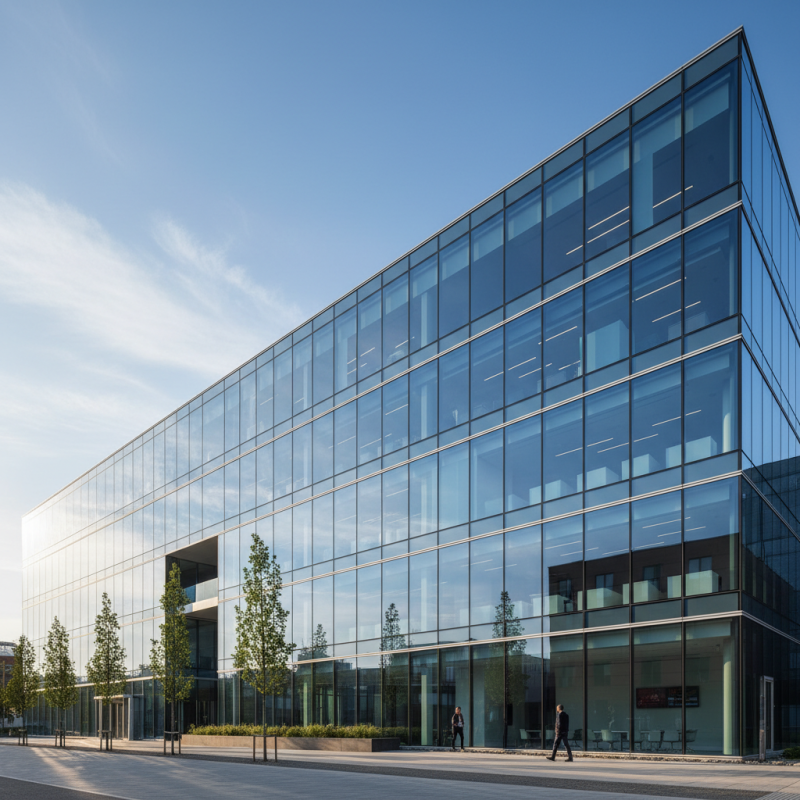
Choosing the right window wall system can significantly impact the aesthetics and functionality of a building. It involves careful consideration of various factors that may affect not just the appearance, but also energy efficiency and long-term durability. Designing with a window wall system requires a balance between style and practicality.
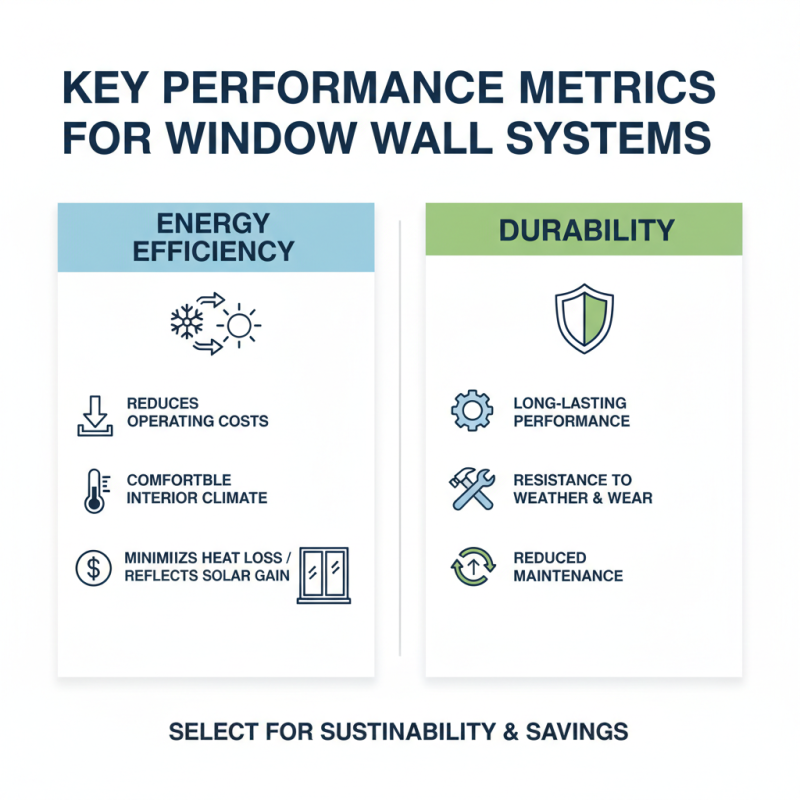
When evaluating options, focus on materials. High-quality materials contribute to strength and insulation. The selection of glass is equally important. Energy-efficient glass can lower heating and cooling costs. Consider how climate impacts your choice. Extreme weather conditions may require enhanced thermal performance.
Analyzing the design is crucial. A window wall system should align with your building’s architectural style. It must also comply with local building codes and regulations. Reflecting on these aspects can ensure a successful project outcome. Small decisions in the selection process can lead to unexpected challenges later. Balancing appearance with function often requires expert input. Selecting the right system is essential for achieving lasting satisfaction.
Understanding Different Types of Window Wall Systems: A Comprehensive Overview
When selecting a window wall system, it's essential to understand the various types available. Each system has unique benefits and potential drawbacks. There are two primary categories:
stick-built and unitized systems.
Stick-built systems are assembled on-site. They allow for customization but may lack consistency in quality.
Unitized systems arrive pre-assembled, offering quicker installation and uniformity. However, they can be less adaptable to on-site changes.
The materials should also be considered carefully. Common options include aluminum, glass, and PVC.
Aluminum is durable and requires low maintenance.
Glass provides aesthetic appeal but is heavier and may need extra structural support.
PVC is lightweight and insulated but can be less visually appealing.
It’s about balancing functionality with design.
While choosing a system, reflect on your project's specific needs and climate conditions. Think about energy efficiency,
thermal performance, and durability. Each decision impacts your building's long-term functionality.
Make sure to engage with experienced professionals. Their insights will help you avoid common pitfalls in the selection process.
Evaluating Building Codes and Standards for Window Wall Installation Choices
When choosing a window wall system, understanding building codes is crucial. These codes ensure safety, energy efficiency, and proper installation. They vary by region, reflecting local climate and architectural norms. It's vital to consult the most current version of relevant codes before making decisions. Do not overlook how these standards affect material selection and structural integrity.
Frustrations can arise when builders are unaware of specific requirements. For example, glass specifications may differ by locality. This can affect thermal performance and safety ratings. Sometimes, architects provide guidance, but it's wise to verify compliance. Regularly reviewing local building regulations can help avoid costly errors. Each decision impacts long-term building performance, influencing future renovations and energy consumption.
Homeowners might feel overwhelmed by the details. A common mistake is underestimating the importance of durability. Window walls face diverse weather conditions and heavy use. In choosing the right system, assess its resilience against impacts, moisture, and UV rays. Grasping these factors ensures that you select a window wall system that meets code requirements while meeting personal preferences and budget.
Impact of Climate Zones on Selecting Appropriate Window Wall Systems
When selecting window wall systems, climate zones play a critical role. Regions with extreme temperatures require different materials and designs. For instance, coastal areas may endure high humidity and salt exposure. This can lead to corrosion if materials are not chosen wisely. Conversely, arid climates need systems that minimize heat gain while standing up to intense sun exposure.
In cold climates, insulation becomes essential. A window wall system should efficiently retain heat, reducing energy costs. Strong seals around frames are necessary to prevent drafts. In contrast, warm climates should focus on UV protection. Low-emissivity (Low-E) glass can reflect heat while allowing natural light to enter.
Building designs should reflect the local environment. For example, in temperate zones, a balance of energy efficiency and aesthetics is key. However, it’s critical to consider how changing climates might affect your choices. Reflecting on these factors is vital; a system perfect for today may need adjustments in the future.
Cost Analysis: Initial Investment vs. Long-term Benefits of Window Walls
When considering a window wall system, the initial investment is a critical factor. The costs can vary significantly based on materials and installation. High-quality glass may seem expensive, but it often leads to better energy efficiency. Investing in energy-efficient systems can reduce utility bills, providing long-term savings.
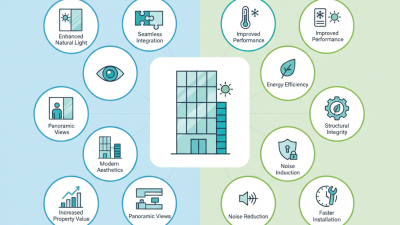
The benefits of window walls extend beyond energy savings. They enhance natural light, improving the mood of interior spaces. This can lead to increased productivity in offices. However, property owners should reflect on maintenance costs. Over time, frames and seals may require repairs or replacements, which can add up.
Long-term investment in window walls can also increase property value. A well-designed system can attract tenants and buyers. Still, it’s essential to weigh these benefits against the initial costs. Not every project will yield the same returns. Thorough research and planning are key to making an informed decision.